

What to Look For in Local Hand Sewn Extension Specialists

When it comes to achieving a natural, full-bodied look with minimal damage, hand-sewn hair extensions have become a go-to solution for many seeking long-term, wearable volume. But finding the right stylist can make all the difference—especially one who understands the nuances of your local climate, lifestyle, and hair type.
That’s where local hand-sewn extension specialists stand out. These professionals not only customize each install for optimal comfort and blend but also bring insights shaped by regional experience—whether that means adapting to seasonal humidity, hard water, or common hair concerns in your area.
In this guide, we’ll explore how hand-sewn extensions work, why choosing a nearby certified specialist matters, and how you can ensure the healthiest, most natural results using top-tier solutions. From installation to aftercare, this blog covers everything you need to make an informed and confident decision.
Key Takeaways
- Hand-sewn extensions offer a secure, heat-free method that protects the natural cuticle.
- Local specialists tailor your look based on regional factors like humidity, water type, and styling trends.
- Platform Hair Extensions provide high-quality, customizable wefts for a natural blend.
- The right stylist will help match your hair’s texture, tone, and volume needs.
- Aftercare—like gentle brushing and low-heat styling—preserves your extensions and promotes scalp health.
- Regular maintenance keeps your install secure, comfortable, and long-lasting.
What Are Hand-Sewn Hair Extensions and How Do They Work?

Hand-sewn hair extensions are crafted wefts of high-quality human hair that are carefully stitched onto small, horizontal braids (known as tracks) along the scalp. This method uses a fine, durable thread to secure the extensions without the need for heat, glue, or harsh adhesives—making it one of the gentlest options available for long-term wear.
How Are Hand-Sewn Extensions Applied?
A certified stylist begins by braiding neat rows close to the scalp to create a foundation. Then, custom-matched wefts—such as those from Platform Hair Extensions—are sewn into the braids using curved needles and lightweight thread. The technique is designed to distribute weight evenly, reduce tension, and ensure the extensions lay flat for a smooth, natural look.
What Materials Are Typically Used?
Most stylists use Remy or virgin human hair for its durability and natural movement. The thread used is soft yet strong, designed to hold securely without irritating the scalp. During and after installation, stylists often recommend scalp-friendly products—like lightweight oils and sulfate-free cleansers—to maintain both the integrity of your extensions and the health of your natural hair.
Why Choose Hand-Sewn Over Other Methods?
Unlike tape-in extensions or beaded methods, hand-sewn extensions avoid residue, pulling, or heavy bonding materials. They’re less likely to cause breakage or buildup, and they offer a more breathable, low-maintenance solution. Because the wefts are sewn in rather than glued, they blend more seamlessly with natural hair and allow for greater flexibility when styling.
A Healthier Approach to Extensions
By eliminating heat tools and adhesives during installation, hand-sewn extensions help maintain strong cuticles and support healthier hair growth over time. The gentle tension and breathable braiding pattern make this technique especially ideal for clients focused on long-term scalp care and natural hair preservation.
Why Choose a Local Hand-Sewn Extension Specialist?

Working with a local hand-sewn extension specialist gives you access to more than just skill—it brings personalized attention tailored to your environment and lifestyle. Local stylists understand how factors like humidity, sun exposure, and even regional water quality affect hair behavior and extension longevity. Whether you’re dealing with color fading, frizz, or product buildup, their recommendations are rooted in firsthand experience.
How Does the Hand-Sewn Technique Support Hair Health?
The hand-sewn method avoids adhesives, heat tools, and bulky bonding agents. Instead, it uses a gentle stitching process that protects the natural cuticle layer, supports healthy scalp circulation, and minimizes the risk of breakage. For anyone focused on long-term hair strength, this technique is a safer, healthier alternative to glue-based or metal-based methods.
What Role Does Customization Play in the Process?
Customization is key to achieving a seamless, natural look. Local experts are skilled in matching the exact texture, tone, and density of your natural hair. They adjust weft placement, volume, and styling to suit your individual goals—whether you're enhancing fullness, adding length, or maintaining a lived-in, low-maintenance finish.
Why Local Knowledge Makes a Difference
A stylist who works within your region understands the common challenges clients face—be it mineral-rich water, dry air, or seasonal scalp sensitivities. This insight allows them to recommend the right brushes, gentle cleansers, and oil-free styling products that support long-term wear and hair health. Their familiarity with popular regional trends also ensures that your final look feels both fresh and authentic.
How to Choose the Right Hand-Sewn Extensions for Your Hair Type and Style

Finding the perfect hand-sewn extensions starts with understanding your natural hair’s texture, thickness, and how you wear it day-to-day. A well-matched set of extensions not only enhances your look but also helps preserve the health of your scalp and cuticle. The right fit ensures secure placement, natural movement, and all-day comfort—without added tension or slippage.
Which Hair Types Work Best with Hand-Sewn Extensions?
Hand-sewn extensions tend to work best for medium to thick hair, where braided tracks can hold wefts securely without placing stress on the roots. If you have fine or delicate hair, your stylist may recommend lighter wefts or fewer rows to keep things gentle and balanced. For those with natural curls or waves, textured wefts help maintain a cohesive, blended appearance throughout the style.
How to Match Extension Color and Texture to Your Hair
A skilled stylist will analyze your natural tone, undertone, and movement pattern to create a seamless blend. Whether you’re aiming to enhance your highlights, fill out your ends, or soften your overall color, custom blending is key. Extensions with 100% Remy Human hair can be layered, toned, and styled to reflect your exact shade and hair type, ensuring that the final look feels authentic and effortless.
What Lengths and Volumes Can You Expect?
Hand-sewn extensions are available in a wide range of lengths and densities to suit different styling goals—from subtle fullness to dramatic length. Your specialist will assess your current hair condition, style preferences, and lifestyle to recommend a tailored configuration that offers the right balance of coverage, volume, and comfort.
What to Expect During the Hand-Sewn Extension Application Process

The hand-sewn extension journey begins with a personalized consultation and ends with expert guidance on how to care for your new look. Every step is designed to prioritize hair health, comfort, and a natural finish that complements your unique style.
What Happens During the Initial Consultation?
Your stylist will assess your hair’s current condition, texture, and goals—whether you're looking for volume, length, or both. You'll review sample shades and weft textures to find the perfect match. The stylist will also evaluate your scalp sensitivity and recommend a customized plan for installation and upkeep using Platform Hair Extensions.
How Is the Application Performed?
On installation day, the stylist braids small, flat rows along the scalp to create a strong foundation. Each weft is then sewn securely into these braids using fine thread, with precise placement to ensure balance and movement. The method is designed to be gentle, with even tension to avoid unnecessary strain on the scalp or natural hair.
What Should You Expect After the Procedure?
After your extensions are installed, your stylist will provide a tailored care plan to help maintain both your natural hair and the extensions. This usually includes tips on how to cleanse gently, reduce product buildup, and minimize friction while sleeping. A short adjustment period is normal, but overall, the process is comfortable and designed to integrate seamlessly into your routine.
How to Care for Hand-Sewn Hair Extensions

Proper care is essential for keeping your hand-sewn extensions looking fresh, healthy, and well-blended over time. A consistent at-home routine helps prevent tangles, maintain scalp comfort, and extend the life of your wefts—especially when using high-quality options like Platform Hair Extensions.
Best Practices for Washing and Conditioning
To maintain stitch integrity and keep your natural hair in great condition, use a gentle, extension-safe shampoo that thoroughly cleanses without loosening the braid foundation. Apply conditioner only from the mid-lengths down, avoiding the root area to prevent slippage. For drying, air-drying is ideal, or use low heat when needed to protect both the extensions and your natural hair.
Safe Styling Tips for Long-Lasting Results
Always detangle with a wide-tooth or extension-friendly brush, starting at the ends and working upward. To minimize breakage while sleeping, loosely braid your hair or wrap it in a silk scarf or use a silk pillowcase. If you use hot tools, apply a heat protectant and avoid direct heat on the wefts to preserve their texture and finish.
Why Aftercare Makes a Difference
Daily habits have a big impact on the longevity of your extensions. Clean, well-moisturized strands hold their shape longer, stay smooth, and reduce the need for early replacement. Proper aftercare also protects your natural hair, ensuring that it stays strong and healthy beneath the wefts.
When to Book Maintenance Appointments
Regular follow-up visits allow your stylist to adjust the wefts as your natural hair grows, tighten any loose stitching, and refresh your overall look. These appointments are also an opportunity to rebalance volume, tone color if needed, and keep your extensions feeling as seamless and comfortable as they did on day one.
How to Find a Trusted Local Hand-Sewn Extension Specialist

Choosing the right extension specialist is key to achieving a safe, natural-looking result that lasts. A skilled local stylist offers more than just technical ability—they understand your hair’s unique needs and provide personalized support before, during, and after the installation process.
What to Look For in a Hand-Sewn Extension Stylist
Seek out professionals who have direct experience with hand-sewn and hand-tied extension techniques. Ideally, they should be familiar with weft placement, braid tension, and how to protect the scalp during installation. Stylists who work with high-quality products like Platform Hair Extensions often demonstrate a higher standard of care and customization.
How Portfolios and Reviews Guide Your Choice
Before-and-after photos are incredibly helpful in evaluating a stylist’s ability to blend color, create volume, and place wefts with precision. Look for consistency in hair texture, parting lines, and overall finish. Client reviews can also reveal how well the stylist communicates, how comfortable the installation process was, and how long the results held up between appointments.
Questions to Ask During Your Consultation
Prepare a few focused questions that will help you assess the stylist’s knowledge and attention to detail. Consider asking:
- How do you customize extension color and texture to match natural hair?
- What’s your approach to maintaining scalp health during installs?
- How often should I return for maintenance?
- What styling tools or techniques do you recommend for long-term wear?
Clear, confident answers will give you peace of mind and set the foundation for a lasting client-stylist relationship.
How Do Hand-Sewn Extensions Compare to Other Methods?
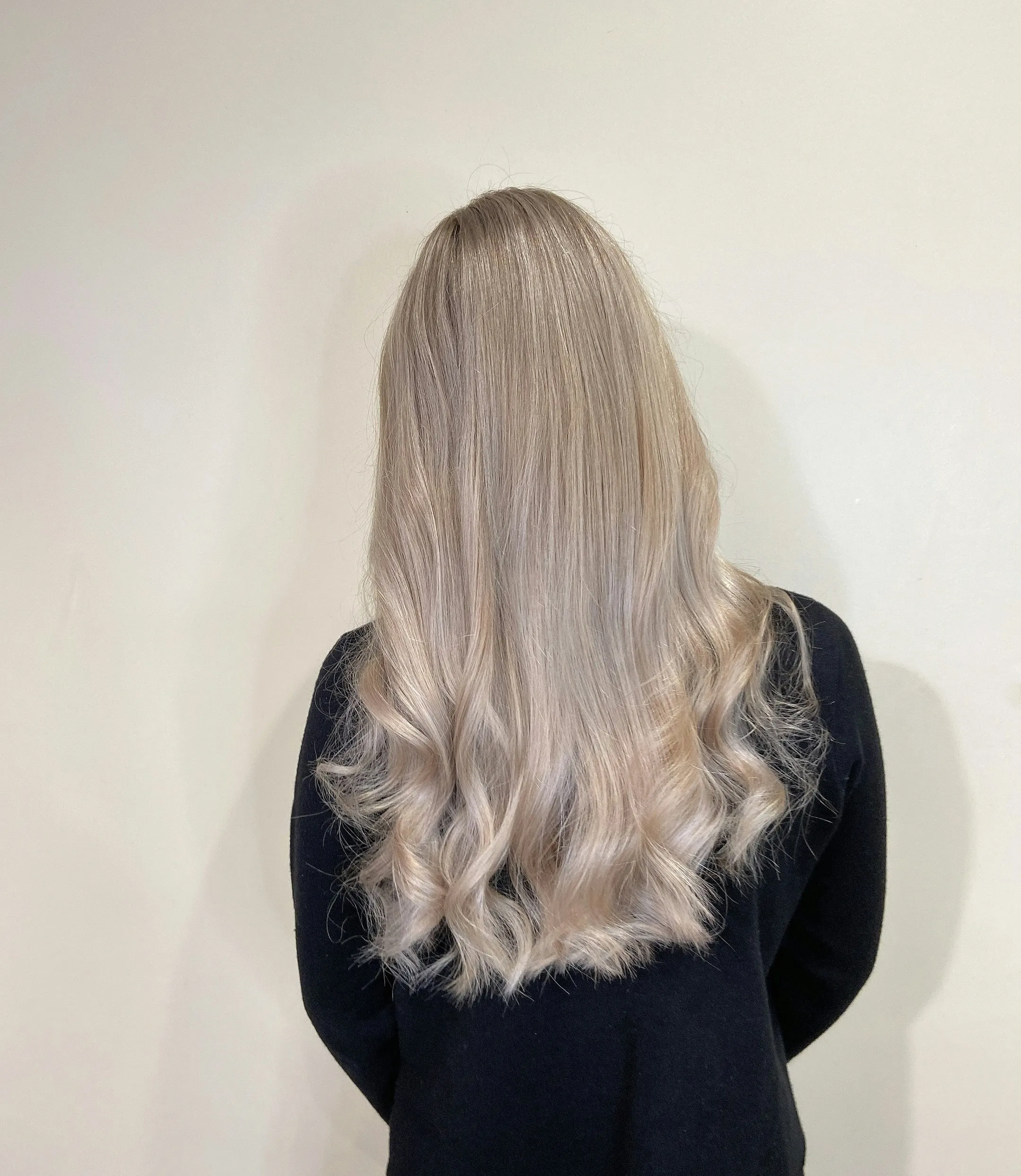
When choosing the right extension method, it's important to consider how each technique affects your hair’s health, appearance, and overall comfort. Hand-sewn extensions stand out for their gentle approach and natural finish—making them a preferred option for long-term wear.
Hand-Sewn vs. Tape-In Extensions
Tape-in extensions may offer quicker installation, but they use adhesives that can leave residue on the scalp and require extra care during removal. In contrast, hand-sewn extensions are secured through stitching, eliminating the need for glue and reducing the risk of buildup or irritation. The sewn-in method is also more breathable, helping your natural hair stay healthy underneath.
Hand-Sewn vs. Clip-In Extensions
Clip-in extensions are designed for temporary wear and are typically used for special occasions or occasional styling changes. While they offer flexibility and can be applied at home, they aren’t ideal for long-term wear or active lifestyles. The pressure from clips can strain fine or fragile hair, especially when worn frequently. In contrast, hand-sewn extensions are a semi-permanent solution, professionally installed for daily wear. They’re more secure, require less daily adjustment, and create a smoother blend with your natural hair.
Hand-Sewn vs. Bead-Based Methods
Micro-links or beaded extensions attach wefts using small metal or silicone rings. While these can work for some hair types, they often place localized tension on the roots, which may lead to discomfort or breakage over time. Hand-sewn extensions distribute weight more evenly across braided tracks, reducing scalp strain and promoting better circulation.
Why Hand-Sewn Offers the Most Natural Look
One of the biggest advantages of hand-sewn extensions—especially when installed with Platform Hair Extensions—is their ability to blend flawlessly with your natural hair. There are no visible tape lines, no bulky beads, and no harsh attachments. The wefts move and flow naturally, making the finished result nearly undetectable, even up close.
Conclusion
Hand-sewn hair extensions are one of the most natural-looking and hair-friendly ways to add volume, length, or texture to your existing style. With the right local specialist, this method offers more than just aesthetics—it brings long-term hair health, personalized care, and an incredibly seamless finish. Choosing a trusted stylist who understands your local environment ensures better retention, healthier hair, and a look that complements both your lifestyle and natural beauty. When combined with quality products like Platform Hair Extensions, the results are both stunning and sustainable.
Whether you're new to extensions or ready to upgrade your current method, working with a skilled hand-sewn specialist can transform your hair—and your confidence.
Frequently Asked Questions
What makes hand-sewn extensions different from other types?
Unlike tape-ins or beads, hand-sewn extensions are stitched onto small braided rows. They don’t use glue or metal, which reduces buildup, strain, and breakage—making them gentler on both scalp and strands.
Can I get hand-sewn extensions if I have fine or thin hair?
Yes—but your stylist may suggest lighter wefts or fewer rows to ensure a comfortable and secure fit without stressing the hair. Customization is key for fine textures.
How long do hand-sewn extensions last with proper care?
With the right maintenance and regular appointments, hand-sewn extensions can stay secure and beautiful for several weeks at a time. Following your stylist’s care plan helps extend wear.
Do hand-sewn extensions damage natural hair?
Not when installed properly. Because they avoid adhesives and harsh bonds, hand-sewn extensions are among the safest options—especially when applied by an experienced local specialist.
How do I know if my stylist is experienced with hand-sewn methods?
Look for a portfolio that shows clean stitching, natural blends, and consistent results. Ask about their training, preferred products (like Platform Hair Extensions), and how they customize installs.
Can I color or heat-style my hand-sewn extensions?
Yes, but always use heat-protectant sprays and avoid direct heat near the stitch line. If coloring, consult your stylist to ensure even tone and cuticle-safe treatment.