

What Happens During Hand-Sewn Weft Extensions Installation?

Adding length and volume to your hair doesn’t have to feel heavy or look obvious. Hand-sewn weft extensions are designed to create a seamless blend that lies flat against the scalp while still giving natural movement. During installation, you can expect a thorough consultation, careful preparation, precise bead and weft placement, and a customized blend to match your natural hair. This process ensures a comfortable fit and a natural-looking finish that lasts with proper care.
Key Takeaways
- Hand-sewn weft extensions create a natural, seamless look.
- The process includes consultation, preparation, beading, sewing, and blending.
- Installation usually takes 2.5 to 4 hours.
- Mild tightness may occur at first but fades quickly.
- Proper aftercare keeps extensions secure and looking natural.
- Regular maintenance every 6–8 weeks extends the life of the wefts.
What Are Hand-Sewn Weft Extensions and How Are They Installed?

Hand-sewn weft extensions are strips of 100% Remy human hair hand-tied onto an ultra-thin weft that lies flat against the scalp. The beaded row sewing method secures these wefts with silicone-lined micro-beads, creating a foundation that supports natural movement and even tension distribution. This approach promotes a seamless blend, minimizes bulk at the roots, and requires no heat or glue—making it ideal for clients seeking luxury, comfort, and reusability. Understanding these fundamentals leads into what sets this technique apart.
What Makes Hand-Sewn Weft Extensions Different from Other Types?
Hand-sewn weft extensions offer a flatter profile and gentler application than many alternative methods. The table below compares key features across extension types:
| Extension Type | Application Method | Seamlessness | Best For |
|---|---|---|---|
| Hand-Sewn Weft | Beaded row & sewing | Ultra-flat | All hair types |
| Tape-In | Adhesive tape | Moderate | Fine to medium |
| Machine Weft | Serrated weft stitching | Thicker base | Thick hair |
Hand-sewn wefts achieve the most natural lie-flat result, leading directly to why the beaded row foundation is essential.
Benefits of Hand-Tied Wefts
Hand-tied weft extensions are often preferred for their ability to lie flat against the scalp, minimizing bulk and providing a more natural look and feel compared to other methods. This technique is suitable for various hair types, offering a versatile solution for clients seeking added volume and length.
How Is the Beaded Row Method Used in Installation?
The beaded row method involves threading a silicone-lined micro-bead onto a natural hair section, then passing a curved weaving needle, threaded with strong poly-nylon thread, through the bead and the weft. This creates a secure, low-tension foundation that distributes weight evenly and preserves scalp health. Stylists place beads at 1–1.5 cm intervals, ensuring consistent support and optimal blend.
What Are the Key Steps in the Installation Process?
Core phases drive a smooth application of hand-sewn weft extensions:
- Consultation & Assessment – Evaluate hair health and client goals.
- Preparation & Sectioning – Cleanse, dry, and precisely part natural hair.
- Foundation Creation – Place beads in horizontal rows at the nape.
- Weft Sewing – Stitch wefts onto rows with consistent tension.
- Blending & Cutting – Customize layers and trim for a seamless finish.
Each phase builds on the last, guiding us into the tools and supplies required.
What Tools and Supplies Are Needed for Hand-Sewn Weft Installation?
Successful sew-in installations depend on professional-grade equipment and supportive hair care products. Stylists must gather precise sewing tools alongside gentle, sulfate-free formulas that maintain weft integrity and natural hair health.
Which Tools Are Required for Sewing and Securing Wefts?
Below is an EAV table of essential tools:
| Tool | Attribute | Purpose |
|---|---|---|
| Curved Weaving Needle | Design | Guides thread through beads |
| Poly-nylon Thread | Strength | Secures wefts firmly |
| Silicone-Lined Beads | Cushioning | Protects natural hair |
| Fine Tail Comb | Sectioning | Creates clean parts |
| Alligator Clips | Hold Sections | Keeps hair organized |
Using precise tools ensures efficient, damage-free application and transitions us to product selection.
What Hair Products Support a Successful Installation?
A curated hair care regimen protects both extensions and natural hair:
- Sulfate-Free Shampoo: Cleanses without stripping bonds.
- Lightweight Conditioner: Conditions wefts without causing slip.
- Heat Protectant Spray: Shields hair before styling.
- Leave-In Detangler: Prevents knots at the weft base.
- Scalp Serum: Soothes tension and boosts circulation.
These products maintain longevity and prepare us for the step-by-step workflow.
How Does the Installation Process Unfold Step-by-Step?
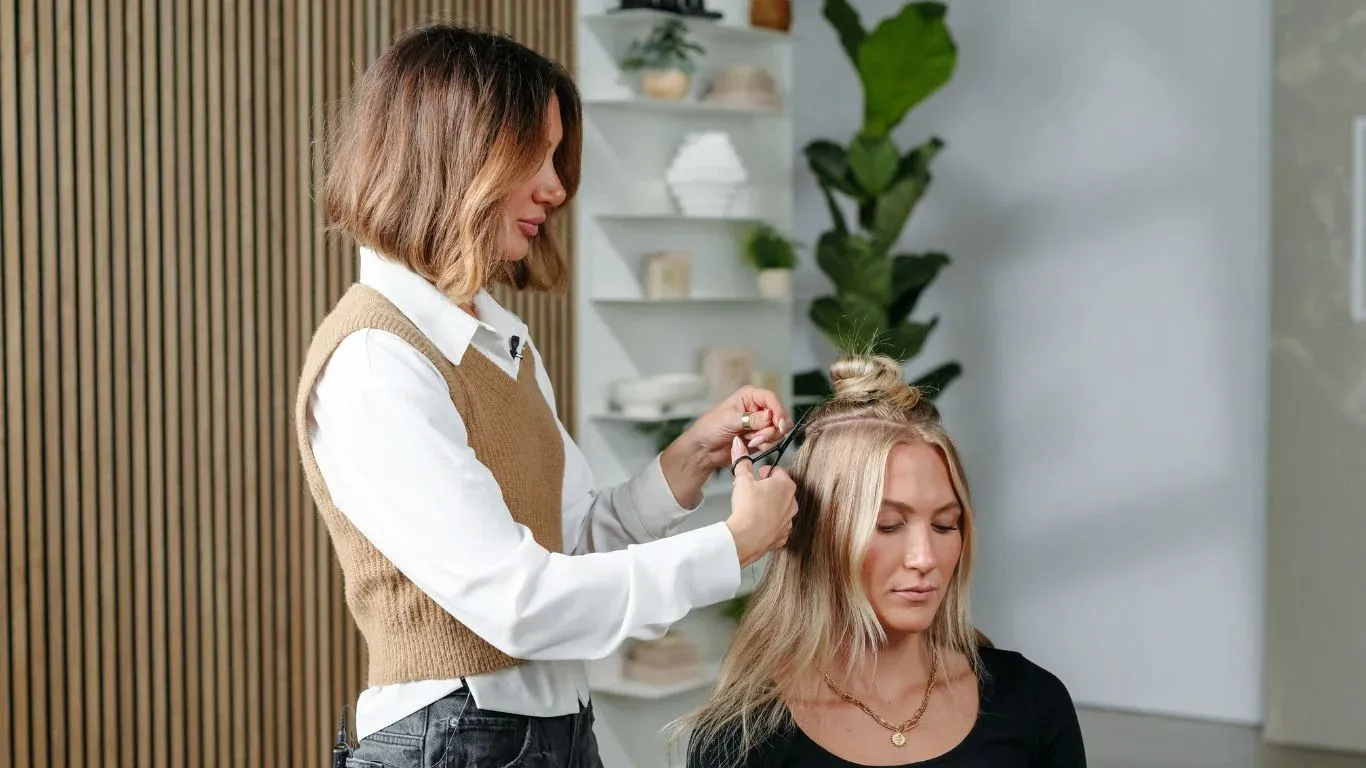
A precise sequence ensures predictable results and client comfort throughout the sew-in service.
What Happens During Client Consultation and Hair Assessment?
At consultation, the stylist evaluates hair density, texture, and scalp condition, discussing the client’s desired volume and length. This dialogue establishes realistic expectations, aligns service pricing, and identifies any contraindications, forming the basis for a personalized installation plan.
How Is Hair Prepared Before Sewing the Wefts?
Clean, detangled hair ensures secure bead placement and uniform weft adhesion. Stylists:
- Wash with clarifying, sulfate-free shampoo.
- Blow-dry on low heat to 90% dryness.
- Section hair into horizontal rows using a tail comb.
- Secure unworked sections with clips.
Proper preparation paves the way for seamless stitching.
How Are Wefts Sewn onto the Beaded Rows?
Wefts are laid on the row of micro-beads and stitched with a curved needle using double-strand thread. The stylist wraps the thread around each bead twice, locking the weft in place without overtightening. Consistent stitch tension and row spacing ensure even weight distribution that preserves scalp comfort.
How Is Blending and Cutting Done for a Natural Finish?
Once all wefts are secured, stylists release sections and use texturizing shears to blend extension ends with natural hair layers. Soft point-cutting and razor techniques eliminate harsh lines, while precision layering creates movement that mimics unaltered growth patterns.
What Should Clients Expect During and After Installation?
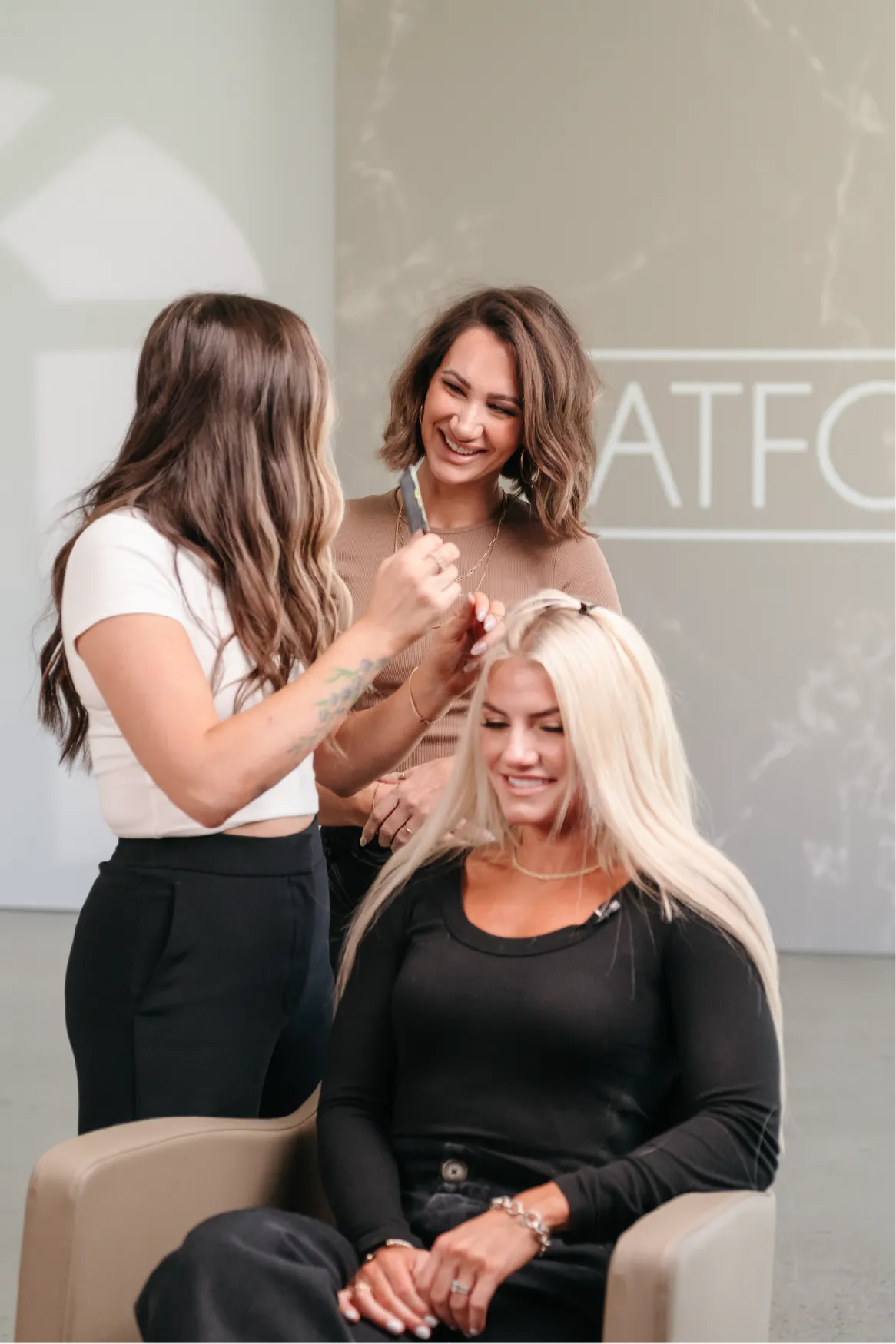
Clients experience a professional, structured service and should follow aftercare guidelines to protect their investment and comfort.
How Long Does the Installation Typically Take?
Installation time usually ranges from 2.5 to 4 hours, depending on hair density and the number of weft rows. Allowing adequate time for precise bead placement and stitching results in a securely seated and long-lasting finish.
What Sensations or Discomfort Might Occur?
Clients may feel mild tension or pressure on the scalp during bead placement, which typically subsides within the first 24–48 hours. Proper bead spacing and thread tension minimize discomfort, ensuring a comfortable wear experience.
How Should Clients Care for Their Extensions Immediately After Installation?
Initial aftercare steps include:
- Waiting 24 hours before the first wash.
- Sleeping on a satin pillowcase or braiding hair at night.
- Using a gentle, downward motion to detangle.
- Applying light, non-oily leave-in products at the roots.
Importance of Proper Aftercare
Proper aftercare is crucial for maintaining the longevity and appearance of hair extensions. This includes using gentle products, avoiding harsh treatments, and following specific guidelines to prevent tangling, matting, and slippage, thereby protecting the investment and the health of the natural hair.
How Can Common Installation Issues Be Prevented or Resolved?
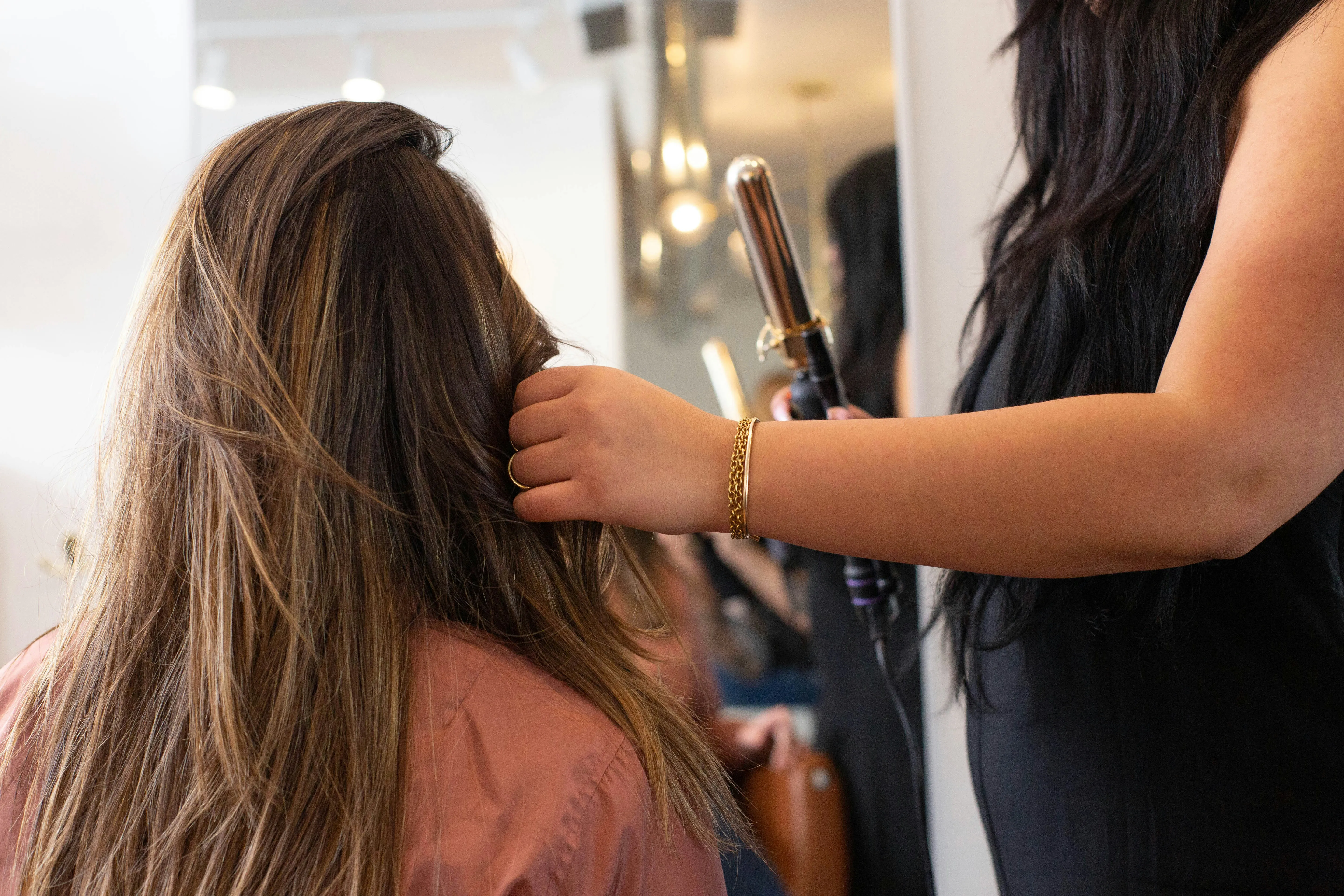
Anticipating and addressing common concerns ensures client satisfaction and extension longevity.
What Causes Weft Shedding and How Can It Be Prevented?
Excessive shear or improper threading tension weakens the weft base. Prevent shedding by using certified Remy hair, reinforcing stitch patterns, and recommending a gentle detangling routine.
How to Avoid Tangling and Matting After Installation?
Tangles often develop when hair dries in knots around beads. Clients should detangle before washing, use a wide-tooth comb, and apply a lightweight detangler at weft lines.
What Are Solutions for Weft Slippage or Discomfort?
Loose beads or over-tightened threads can cause slippage or pressure. A quick salon move-up to adjust bead tension or re-stitching affected rows restores security and comfort.
Common Myths About Hand-Sewn Weft Extensions
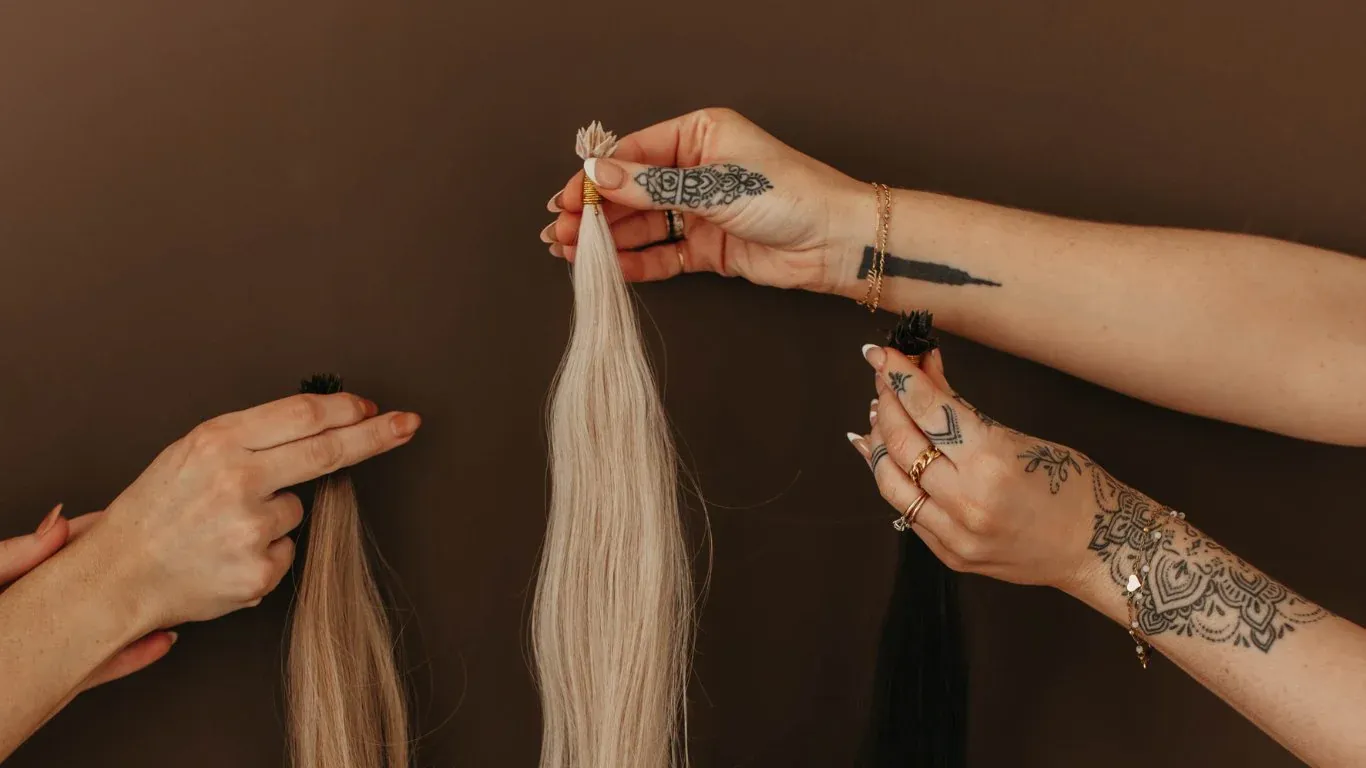
Even though hand-sewn weft extensions are one of the most natural and versatile methods available, many misconceptions can create hesitation for first-time clients. Addressing these myths helps set clear expectations and reassures clients about the process and results.
Do Hand-Sewn Wefts Damage Natural Hair?
One of the biggest myths is that extensions always damage natural hair. In reality, hand-sewn wefts are installed using a beaded row foundation that requires no heat, glue, or harsh adhesives. This method evenly distributes weight across the scalp and, when installed correctly, minimizes stress on natural hair. With proper maintenance and aftercare, hand-sewn wefts can actually protect fragile ends while adding fullness and length.
Will the Extensions Look Bulky or Noticeable?
Some people believe that weft extensions create visible bulk at the roots. Hand-sewn wefts are designed with an ultra-thin base that lies flat against the scalp, making them virtually undetectable once blended. Because stylists customize placement and cut to match natural hair, the final result looks seamless and natural, even in updos or ponytails.
Are Extensions Too High-Maintenance?
Another misconception is that extensions require constant, complicated upkeep. While hand-sewn wefts do require regular brushing and the use of gentle products, their aftercare is simple and easily integrated into a normal routine. With a few adjustments—like sleeping on a silk pillowcase and avoiding heavy oils near the roots—clients can maintain their extensions without extra hassle.
Can You Style Hand-Sewn Wefts Like Natural Hair?
Some clients worry that extensions limit styling options. In fact, hand-sewn wefts can be curled, straightened, or styled in braids and updos, just like natural hair. Using a heat protectant spray is recommended, but otherwise, clients enjoy full freedom in how they style their hair. The extensions blend seamlessly, giving added volume and length that often make styles look fuller and more polished.
Do Extensions Feel Uncomfortable or Painful?
It’s normal for first-time clients to wonder if extensions will hurt. While you may feel some mild tightness right after installation, this usually eases within 24–48 hours as the scalp adjusts. A properly installed hand-sewn weft should feel secure but not painful. If discomfort persists, it can often be resolved with a quick adjustment by the stylist.
Conclusion
Hand-sewn weft extensions provide a balance of comfort, durability, and natural style when installed with the right technique. From consultation to blending, each step is designed to protect your natural hair while enhancing its length and volume. With proper aftercare, clients can enjoy long-lasting results that look and feel effortless. Choosing a skilled stylist and following recommended maintenance guidelines ensures the best experience with this extension method.
Frequently Asked Questions
How long does the hand-sewn weft installation take?
The installation process typically takes between 2.5 to 4 hours. The exact time depends on factors such as your hair’s thickness, the number of rows being installed, and the desired end result. Thicker hair or multiple weft layers require additional time for precise bead placement and stitching. Stylists use this time to ensure the extensions are secure, evenly distributed, and blended seamlessly with your natural hair.
Will the extensions feel uncomfortable at first?
Some clients may feel slight tightness or pressure on the scalp during and shortly after installation. This sensation usually comes from the beads holding the extensions in place. For most people, the feeling subsides within 24 to 48 hours as the scalp adjusts. If discomfort persists, it’s important to contact your stylist to check bead placement or tension. A properly installed weft should feel comfortable and natural without causing irritation.
How soon can I wash my hair after hand-sewn weft installation?
It’s recommended to wait at least 24 hours before your first wash after installation. This allows the beads and thread to fully settle, ensuring your extensions remain secure. When washing, use a sulfate-free shampoo and focus on gently cleansing the scalp without aggressively scrubbing the weft area. Rinse thoroughly to prevent buildup around the beads and always apply conditioner from mid-lengths to ends, avoiding the roots to prevent slippage.
What aftercare steps should I follow?
Proper aftercare is essential for extending the life of your extensions and maintaining healthy natural hair. Always brush gently with a wide-tooth comb or a loop brush, starting at the ends and working upward to avoid pulling at the beads. At night, sleep on a silk or satin pillowcase to reduce friction, or loosely braid your hair to prevent tangling. Avoid heavy oils or thick conditioners near the scalp, as these can loosen the beads. Heat styling is safe, but always use a heat protectant spray to prevent damage.
How often will I need maintenance for hand-sewn weft?
Maintenance, often called a “move-up” appointment, is usually required every 6 to 8 weeks. During this visit, your stylist will adjust the bead rows, re-secure any loose wefts, and ensure your extensions remain comfortable and natural-looking. Consistent maintenance not only protects your natural hair but also extends the lifespan of your wefts. Skipping these appointments can lead to unnecessary tension, tangling, or slippage, so staying on schedule is important.