

Weft Extensions vs. Tape-in Extensions: Which Lasts Longer?

The world of premium hair extensions offers dynamic solutions for versatile, luxurious hairstyles. This guide compares two popular types: weft extensions and tape-in extensions. We outline their application, benefits, drawbacks, maintenance needs, and cost so that stylists, salons, and hair enthusiasts can choose the best method based on hair type, lifestyle, and budget.
Key Takeaways
- Weft extensions are sewn or bonded sections of 100% human Remy hair that offer durability, versatility, and a natural look with proper care.
- Tape-in extensions use adhesive tape for a lightweight, seamless application that minimizes damage.
- The choice between weft and tape-in extensions depends on hair type, lifestyle, maintenance commitment, and cost.
What Are Weft Extensions?
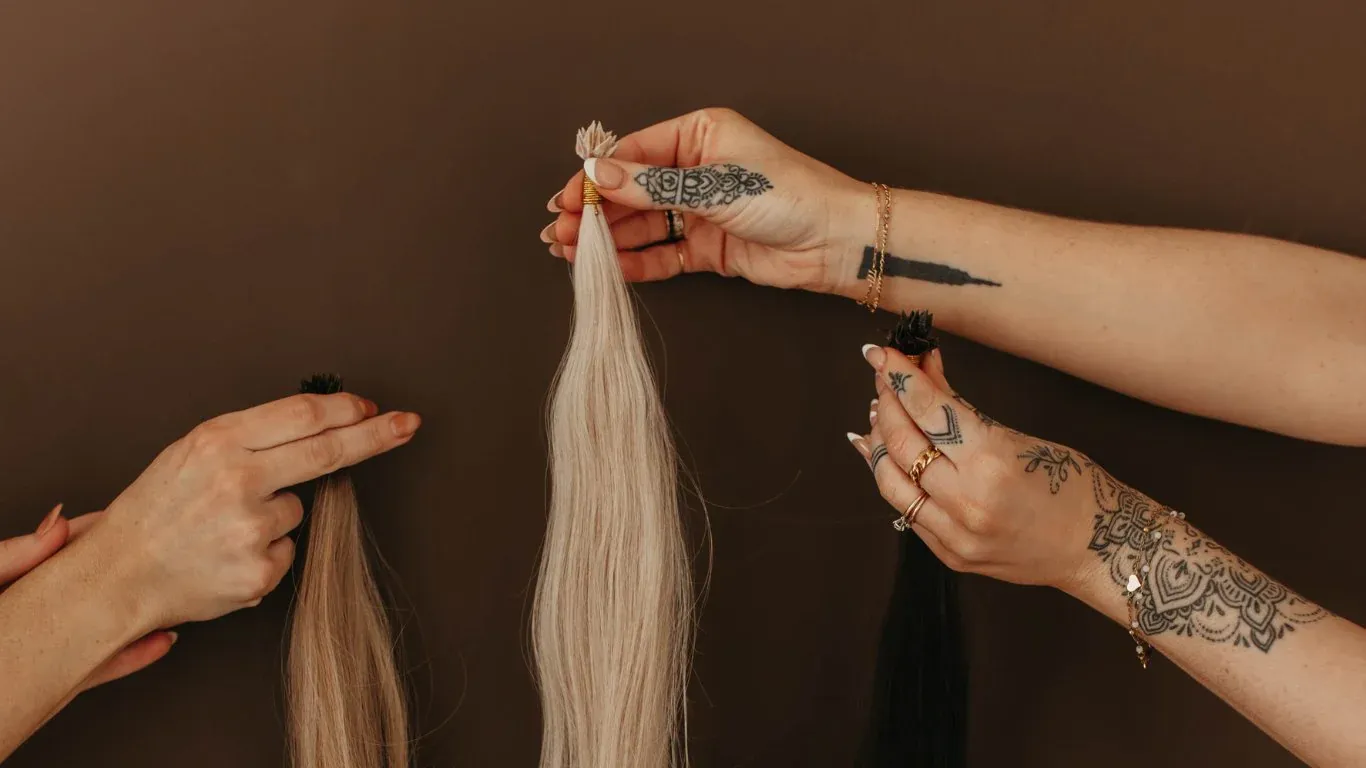
Weft extensions are pre-bonded sections of hair, typically hand-sewn or glued together. Made from human Remy hair, they blend naturally with your own hair. Known for their strength and versatility, they add volume, length, and density, and can be customized by cutting or layering. Professionals favor weft extensions for their durability and adaptability with various weights and widths.
How Are Weft Extensions Applied?
A professional applies weft extensions by dividing the hair into sections, braiding the natural hair, and sewing the weft onto these braids with specialized thread. Some salons may also use adhesives, but the sewing method is preferred for its longevity and reduced risk of damage to the scalp or keratin structure.
What Are the Pros and Cons of Weft Extensions?
Weft extensions offer significant volume, dramatic length, and versatility for styling options like ponytails and updos while maintaining a natural look. However, they require a skilled professional for proper installation and periodic reapplication. Incorrect application or removal may cause tension, hair breakage, or even hair loss, affecting scalp health.
Which Hair Types Are Best Suited for Weft Extensions?
They work best with medium to thick hair that can support the additional weight. Fine hair may need special adjustments in tension and technique to avoid damage. Their ability to add both density and length makes weft extensions popular among clients with resilient hair.
How Should You Maintain Weft Extensions?
A dedicated hair care routine is key. Use sulfate-free shampoos, gentle conditioners, and deep-conditioning treatments to keep the extensions soft. Avoid excessive heat styling and chemicals that can break the adhesive bond. Professional touch-ups every 6 to 8 weeks and careful detangling along the braid lines help extend the extensions’ lifespan.
What Are Tape-in Extensions?

Tape-in extensions consist of small sections of hair attached with a medical-grade adhesive tape. Their design is lightweight and flexible, providing a natural blend with the client’s hair. They are popular for their quick application and minimal damage when properly applied.
How Are Tape-in Extensions Applied and Removed?
A stylist applies tape-in extensions by sandwiching a thin section of natural hair between two pre-taped wefts. The pressure-sensitive adhesive bonds them to the hair. Removal involves an adhesive remover or oil-based solution that gently dissolves the tape, minimizing stress on the scalp and keratin.
What Are the Pros and Cons of Tape-in Extensions?
Their lightweight nature and natural movement make them ideal for everyday wear. They are less time-consuming to apply, reducing the risk of damage to both the hair and scalp. However, the adhesive may weaken over time due to oils or humidity, necessitating more frequent maintenance sessions compared to weft extensions.
Which Hair Types Work Best With Tape-in Extensions?
Tape-in extensions suit fine to medium hair best due to their gentle application. They evenly distribute weight, reducing stress on delicate strands. While clients with thick, coarse hair can use tape-ins, careful attention to adhesive strength and weight distribution is required.
How Much Do Tape-in Extensions Cost?
Generally more moderate in price, tape-in extensions reflect a faster application process and simpler maintenance. Although their upfront cost is lower than weft extensions, ongoing re-taping every 6 to 8 weeks can add to overall expenses.
How Do You Maintain Tape-in Extensions for Longevity?
Maintain tape-in extensions by washing with gentle, sulfate-free products. Avoid heavy conditioners directly on the taped areas to preserve adhesion. Regular professional re-taping every 6 to 8 weeks and avoiding excessive heat or oil near the roots help maintain their secure integration.
How Do Weft and Tape-in Extensions Compare?

Both methods have distinct benefits. Weft extensions provide robust volume, dramatic length, and long-term durability, while tape-in extensions offer a lightweight feel and ease of application that minimizes scalp stress. The decision depends on your hair type and whether you prefer longevity over convenience, as well as acceptable maintenance routines.
What Are the Key Differences in Appearance and Style?
Weft extensions create a fuller, more voluminous look that can dramatically change hair density and length. In contrast, tape-in extensions blend seamlessly, offering a subtler, more natural enhancement. Weft extensions may feel heavier, whereas tape-ins allow for natural movement and a barely-there look.
How Do Weft and Tape-in Extensions Differ in Cost?
Weft extensions usually have higher upfront costs because of the specialized labor and quality human hair. Tape-in extensions cost less per session but require more frequent visits. Over time, the overall expenses of both methods may be comparable, depending on maintenance needs.
Which Extension Type Lasts Longer?
Weft extensions, when well maintained, last several months with fewer appointments needed. Tape-in extensions may require re-taping every 6 to 8 weeks due to environmental factors like humidity affecting the adhesive. Clients must consider whether they value long-lasting volume or the flexibility of frequent touch-ups.
How Do Application and Removal Processes Differ?
The weft method involves time-consuming sewing or bonding onto braided hair, demanding high expertise. Tape-in extensions are applied by sandwiching hair between taped wefts and are removed with adhesive removers—both processes have unique benefits and challenges to consider.
What Are the Risks of Hair Damage for Each Type?
If not applied or maintained properly, weft extensions can pull on natural hair, leading to breakage or hair loss. Tape-in extensions, although gentler, require cautious handling during application and removal to prevent stress on the scalp and delicate strands.
Which Extension Type Is Better for Active Lifestyles?
For active individuals, tape-in extensions are often preferable. Their lightweight construction and ease of reapplication make them suitable for daily workouts and swimming. Weft extensions offer significant volume but may feel heavier and require more careful post-activity maintenance.
Which Extension Type Is Best for Your Hair Type?

The best method depends on your hair’s texture and your styling habits. Both options have advantages based on whether you have fine, thick, or curly hair.
Are Weft or Tape-in Extensions Better for Fine Hair?
For fine hair, tape-in extensions are recommended since they provide a light feel and reduce tension that can lead to thinning. Weft extensions might add too much weight if not applied with caution.
Which Extensions Work Best for Thick or Curly Hair?
Thick or curly hair benefits from the secure, robust nature of weft extensions. Their ability to add volume fits well with dense textures. However, tape-in extensions can be adapted for curly hair with proper consultation, though extra care is needed to maintain the curl pattern.
How Do Hair Texture and Lifestyle Affect Your Choice?
Your hair’s resilience and how often you change styles will influence your decision. Active lifestyles or frequent styling changes may favor tape-in extensions for their ease of removal, while a stable hair routine with thicker hair might benefit more from the long-lasting volume of weft extensions.
How to Choose Between Weft and Tape-in Extensions Based on Your Budget and Lifestyle?

Choosing the right extension method involves balancing cost with lifestyle needs. Consider initial prices, maintenance frequency, and the time available for upkeep.
What Are the Cost Considerations for Different Budgets?
Clients with a limited budget might lean toward tape-in extensions for their lower upfront cost. Conversely, those seeking long-term durability may favor weft extensions despite the higher initial investment. Overall maintenance and reapplication expenses should be factored into your decision.
How Does Maintenance Affect Long-Term Costs?
Tape-in extensions require regular re-taping every 6 to 8 weeks, increasing long-term expenses. Weft extensions, while more durable per session, need professional removal and occasional reapplication. Discuss your expected maintenance routine with your stylist before making a decision.
Which Extension Type Fits Different Lifestyle Needs?
Busy professionals or those with active routines might prefer tape-in extensions for their quick application and easy removal. Clients who desire dramatic changes and can dedicate time for detailed maintenance may find weft extensions better suited to their needs.
What Are the Latest Trends and Innovations in Hair Extensions?
Recent innovations emphasize ethical sourcing and improved longevity. The industry now focuses on sustainable methods, reduced damage techniques, and products that better mimic natural hair movement.
Why Are Tape-in Extensions Gaining Popularity?
Tape-in extensions have become popular due to their near-invisible finish, lighter feel, and minimal maintenance. Advances in adhesive technology have extended wear and reduced scalp damage, making them an attractive, modern alternative.
How Are Sustainable and Ethically Sourced Extensions Changing the Market?
There is an increasing focus on using ethically sourced Remy hair and sustainable manufacturing methods. This shift not only enhances product quality but also supports fair labor and environmental practices, ensuring that the extensions maintain their natural shine and density longer.
What New Application Techniques Are Available?
Hybrid methods that combine tape-in and traditional techniques are emerging. Innovations such as micro-tape technology and non-adhesive options are paving the way for extensions that cause less hair loss and allow for easy removal while maintaining a natural braid-like or beaded look.
Where Can You Get Professional Weft and Tape-in Extensions?

Selecting a reputable salon is crucial for optimal results and healthy hair. Look for professionals who offer personalized consultations and use high-quality, ethical products.
How to Find a Trusted Hair Extension Salon Near You?
Choose salons with strong reputations, verified customer reviews, and a focus on high-quality 100% human Remy hair. Many salons provide free consultations to help you assess the stylist’s expertise.
What Should You Expect During a Professional Consultation?
During your consultation, the stylist will review your hair type, scalp health, and lifestyle. Expect detailed discussions about application techniques, maintenance schedules, and expected outcomes, along with before-and-after comparisons.
How Do Extension Brands and Quality Affect Your Choice?
Premium brands that utilize ethically sourced hair and offer warranties reflect higher quality. Choosing a reputable brand can lead to better integration, reduced damage, and lower long-term maintenance costs.
Frequently Asked Questions
How long do weft extensions typically last?
With proper care, they can last several months—usually between 3 to 6 months—depending on maintenance.
How long do tape-in extensions last?
Tape-in extensions require re-taping every 6 to 8 weeks to maintain a secure, natural look.
Can tape-in extensions damage fine hair?
When applied and removed correctly, they are gentle; however, improper handling can cause damage.
Are weft extensions suitable for all hair types?
They work best with medium to thick hair. Those with fine hair might need adjustments during application to prevent excessive tension.
Which extension type is easier to maintain for active lifestyles?
Tape-in extensions are preferable due to their lightweight nature and ease of removal.
Final Thoughts
Weft and tape-in extensions each offer unique benefits tailored to different hair types and lifestyles. Weft extensions provide exceptional durability, volume, and versatility, ideal for dramatic transformations and long-term use. Tape-in extensions deliver a subtle, lightweight enhancement that minimizes scalp stress and allows for quick changes. Ultimately, your choice will depend on your hair type, budget, lifestyle, and willingness to maintain regular upkeep. Whether you choose the robust sewing method of weft extensions or the convenient adhesive approach of tape-ins, both methods, when properly applied and cared for, can elevate hair health and style while achieving the desired length and density.