

How Hand-Sewn Weft Fit Different Hair Types and Textures

Hand-sewn weft extensions offer a secure, natural-looking way to add volume and length without damaging your hair. Made from high-quality Remy human hair, they’re stitched onto braided rows to blend seamlessly with fine, thick, curly, or straight textures. This guide explains how hand-sewn wefts work, why stylists trust them, and how they can be customized for different hair types. Whether you’re looking for fullness, length, or a protective style, you’ll learn what makes hand-sewn wefts a versatile option for nearly anyone.
Key Takeaways
- Hand-sewn weft extensions are made with Remy human hair for a natural look and feel.
- They’re gentle on the scalp and don’t require heat, glue, or tape during installation.
- These wefts can be tailored for all hair types, fine, thick, curly, or straight.
- With proper care, they last 6–12 months and are reusable.
- Routine maintenance, like brushing and sulfate-free washing, keeps them in top shape.
- Professional installation by a skilled stylist ensures long-lasting, seamless results.
What Are Hand-Sewn Weft Extensions and Why Are They Popular?

Hand-sewn weft extensions are made from high-quality Remy human hair, carefully stitched onto soft, flexible fabric tracks. These tracks are sewn into braided sections of natural hair, distributing weight evenly across the scalp to ensure a secure and comfortable fit. This method offers a discreet, natural-looking result with minimal tension, ideal for clients with fine, thick, curly, or straight textures.
Stylists often recommend hand-sewn wefts for their ability to deliver both aesthetic and protective benefits. For example, a client with thin, fragile hair may achieve fuller volume without the stress or damage sometimes caused by tape or glue-based methods.
Key Benefits of Hand-Sewn Weft Extensions
- Natural Appearance: Seamless blending at the scalp for undetectable volume and length.
- Long-Lasting Wear: With proper care, hand-sewn wefts can last 6–12 months and are reusable.
- Comfortable Fit: Flat tracks lay close to the head, reducing bulk and irritation.
- Low Damage Risk: No heat, tape, or glue means less stress on your natural hair.
These advantages make hand-sewn wefts a preferred choice for those seeking lasting results with minimal upkeep or risk.
How Are Hand-Sewn Wefts Made?
Each hand-sewn weft begins with premium Remy human hair, where all cuticles remain aligned to prevent tangling and preserve natural movement. The hair is stitched onto a breathable cotton track, creating a lightweight, flexible extension that molds comfortably to the scalp.
| Attribute | Value |
|---|---|
| Hair Type | Remy Human Hair |
| Track Material | Cotton Fabric |
| Weft Construction | Hand-Stitched |
This handcrafted method results in soft, durable wefts that move and feel just like natural hair.
How Do Hand-Sewn Wefts Compare to Other Extension Types?
Compared to machine wefts or tape-in extensions, hand-sewn wefts offer a smoother, longer-lasting finish. The flat, hand-stitched track lies flush against the scalp, minimizing lift and maximizing comfort.
| Extension Type | Blend Quality | Wear Time |
|---|---|---|
| Hand-Sewn Weft | Seamless | 6–12 months |
| Machine Weft | Slight Bulk | 4–8 months |
| Tape-In | Visible Bonds | 4–8 weeks |
This balance of strength and subtlety makes hand-sewn wefts especially appealing for clients who want an elevated, low-maintenance style.
Why Are Hand-Sewn Wefts Gentler on Natural Hair?
Unlike adhesive or heat-based methods, hand-sewn wefts are attached using micro-beads and braids, eliminating the need for glue, tape, or hot tools. This reduces breakage and helps preserve the integrity of the natural hair throughout installation, wear, and removal.
By keeping chemicals and heat out of the equation, hand-sewn wefts support healthier hair growth and long-term styling flexibility, ideal for clients prioritizing both style and scalp health.
How Do Hand-Sewn Weft Extensions Fit Different Hair Types and Textures?

Hand-sewn wefts adapt to hair density and texture through customizable weft width, track placement, and braid density. Stylists adjust techniques so each client enjoys balanced weight distribution and a natural finish.
Why Are Hand-Sewn Wefts Suitable for Fine and Thin Hair?
Hand-sewn wefts use narrow tracks and minimal tension to prevent strain on delicate strands. By spacing rows with lighter wefts and blending near the crown, stylists ensure fine hair remains protected.
- Use smaller weft sections to spread weight evenly.
- Place rows in low-tension zones along the perimeter.
- Blend wefts with tapered cutting for a gradual transition.
These adjustments preserve fragile hair while adding volume, making wefts ideal for thinning or fine textures.
How Do Hand-Sewn Wefts Work for Thick and Dense Hair?
For thicker hair, hand-sewn wefts can be layered strategically to enhance length without adding unnecessary bulk. Wider tracks accommodate higher density, and staggered placement ensures a balanced weight profile.
- Customize weft width to match hair thickness.
- Layer wefts in alternating rows for full coverage.
- Cut and blend to maintain a natural silhouette.
This approach builds dramatic volume while retaining comfort and manageability.
Can Hand-Sewn Wefts Blend Seamlessly with Curly and Natural Hair?
Hand-sewn wefts match curl patterns by selecting textured Remy hair and sewing onto braids that follow natural coil directions. This method preserves curl alignment and prevents frizz or mismatch.
- Choose weft textures that mirror natural coils.
- Braid rows in curves that support curl definition.
- Use moisturizing products to maintain elasticity.
Such precision ensures extensions flow with natural curls, avoiding an artificial appearance.
What Makes Hand-Sewn Wefts Ideal for Straight Hair?
The flat weft track lies flush against straight strands, eliminating ridges and creating a sleek, continuous line. Stylists can trim and layer wefts to mirror hair movement for a polished result.
- Position rows close to the scalp for a smooth finish.
- Blend lengths with subtle layering.
- Style with heat tools to match end shape.
This compatibility yields ultra-natural flow and shine for straight hair types.
What Is the Installation Process for Hand-Sewn Weft Extensions?

Professional hand-sewn installation involves sectioning, braiding, beading, and sewing wefts to achieve a secure, customized result. Each step ensures hair health and seamless integration of extensions.
What Are the Steps in Professional Hand-Sewn Weft Installation?
- Consultation and hair assessment.
- Section hair into horizontal braids secured with micro-beads.
- Align weft track with beaded rows.
- Use precision stitching to sew weft into each bead.
- Blend and trim extensions to match natural layers.
Installation and Maintenance of Hand-Sewn Wefts
The installation process for hand-sewn wefts involves sectioning, braiding, and sewing the wefts to the natural hair, ensuring a secure and customized result. Proper care, including gentle brushing and the use of sulfate-free shampoo, is essential for maintaining the extensions and the health of the natural hair.
How Does Installation Differ for Various Hair Textures?
Stylists vary braid thickness, bead spacing, and weft placement based on texture: fine hair demands minimal tension, thick hair tolerates closer rows, curly hair benefits from supportive braid patterns, and straight hair needs ultra-flat tracks.
These texture-specific tweaks guarantee balanced weight and comfort across all hair types.
Why Is Choosing a Skilled Stylist Important for Best Results?
A trained stylist applies the correct tension, seat patterns, and stitching techniques to prevent slippage, damage, and uneven blends. Expertise ensures extensions last longer and look natural from every angle.
Partnering with a certified professional preserves hair integrity and maximizes the lifespan of hand-sewn wefts.
How Should You Care for and Maintain Hand-Sewn Weft Extensions?
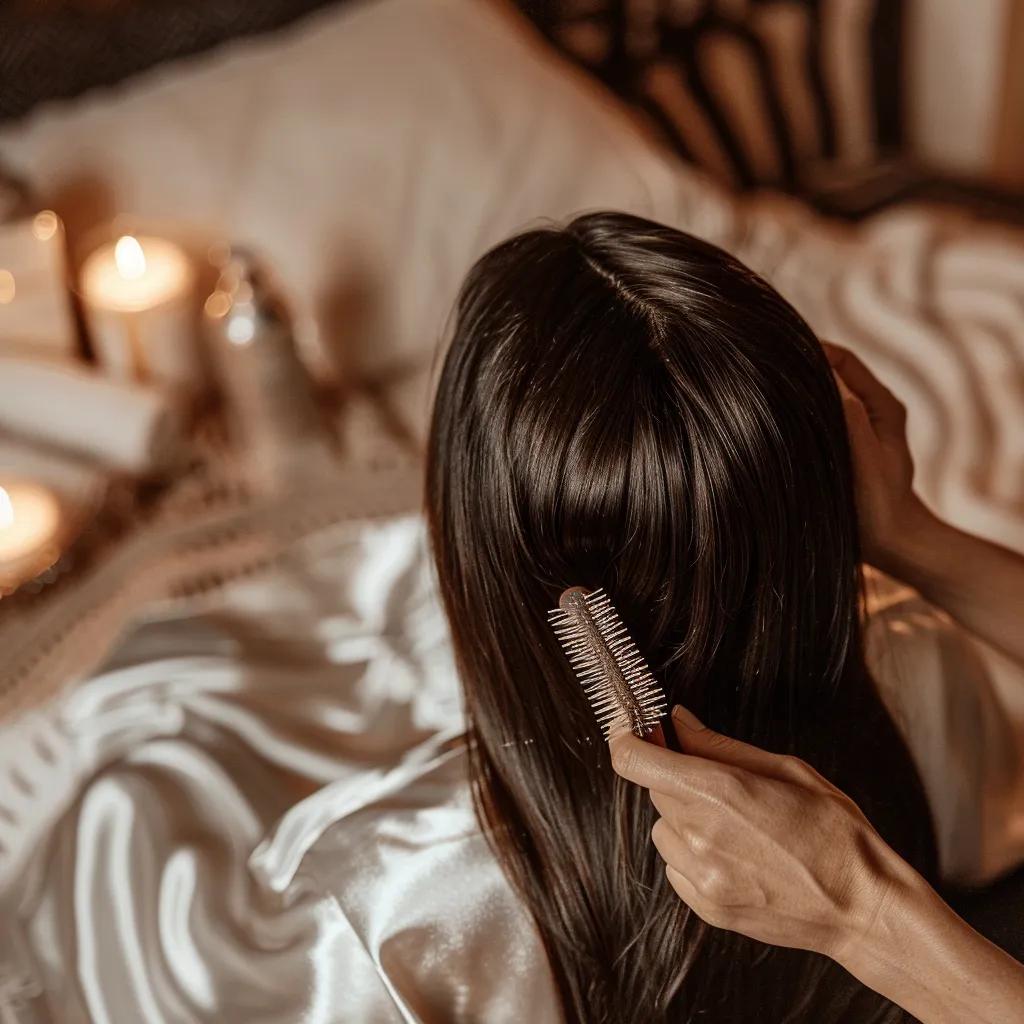
Routine care supports weft longevity, prevents tangling, and maintains shine. Daily habits and proper washing protocols protect both extensions and natural hair.
What Daily Care Practices Protect Hand-Sewn Wefts?
Gentle brushing with a loop brush and sleeping on a satin pillowcase prevent tugging and friction. Avoid tight ponytails or rough handling near the scalp.
Simple habits extend wear time and preserve track integrity.
How Do You Properly Wash and Dry Hand-Sewn Wefts?
Always detangle before washing with sulfate-free shampoo. Rinse thoroughly, blot excess water, and air-dry on a flat surface. Avoid high heat to maintain weft structure.
How Long Do Hand-Sewn Wefts Last and Can They Be Reused?
With careful maintenance, hand-sewn wefts last 6–12 months and can be removed, deep-cleaned, and reinstalled. Refreshing weft placement every 6–8 weeks supports ongoing reuse.
Reusable wefts deliver lasting value and consistent performance.
What Are Common Issues and How Can They Be Troubleshooted?
Track loosening, tangling, or dryness can occur without proper care. Tighten loose beads, trim frayed ends, and apply conditioning treatments to restore softness. Proactive troubleshooting preserves both hair and extension health.
How Do Hand-Sewn Weft Extensions Compare to Other Extension Types?

Hand-sewn weft extensions stand out for their ability to combine comfort, durability, and a natural finish, all without adhesives or daily maintenance. Compared to machine wefts, tape-ins, and clip-ins, they offer a balanced, long-lasting solution that suits a wide range of hair types and styling goals. Below is a detailed breakdown of how they compare.
Application Method, Maintenance, and Wear Time
| Extension Type | Application Method | Maintenance Level | Average Wear Time | Best Suited For |
|---|---|---|---|---|
| Hand-Sewn Weft | Sewn into braided rows using beads | Low | 6–12 months | All hair types and textures |
| Machine Weft | Machine-stitched, sewn or glued | Moderate | 4–8 months | Medium to thick hair |
| Tape-In | Sandwiched with adhesive tape | Moderate | 4–8 weeks | Fine to medium hair |
| Clip-In | Clipped onto natural hair | High (daily removal) | Up to 1 year (occasional wear) | Temporary or occasional use |
- Hand-sewn wefts require professional installation but offer the longest lifespan with minimal maintenance.
- Machine wefts can be bulky and may need adhesive or stitching; they're efficient but less discreet.
- Tape-ins are quick to apply but need frequent reinstallation and careful handling to avoid adhesive damage.
- Clip-ins provide flexibility but aren't ideal for long-term wear or daily styling needs.
Feature Breakdown by Extension Type
| Extension Type | Key Feature | Primary Benefit |
|---|---|---|
| Hand-Sewn Weft | Flat, hand-stitched track | Invisible, seamless blend |
| Machine Weft | Mass-produced tracks | Faster production, lower cost |
| Tape-In | Ultra-thin adhesive bonds | Fast salon application |
| Clip-In | Snap-in clips | Easy to apply and remove anytime |
- Hand-sewn wefts maintain a close fit to the scalp, eliminating ridges and creating a natural flow.
- Machine wefts prioritize speed and affordability but often lack the softness and contour of hand-stitched options.
- Tape-ins are low-profile but less durable and can cause buildup or slippage if not properly maintained.
- Clip-ins are perfect for styling flexibility or events but can tug on natural hair with repeated use.
Why Stylists Prefer Hand-Sewn Wefts
Stylists often favor hand-sewn wefts because they combine the best aspects of other methods, discreet results, long wear, and reduced damage. Their ability to be customized for density, texture, and styling makes them a go-to choice for both everyday wear and special transformations.
Platform Hair Extensions provides premium, professional-grade hand-sewn Remy wefts crafted for maximum performance and versatility. Whether working with fine, thick, curly, or straight hair, stylists trust these wefts for their secure hold and natural-looking results. Training programs and stylist support ensure every installation meets the highest standards.
Frequently Asked Questions
Can hand-sewn weft extensions be colored or styled like natural hair?
Yes. Hand-sewn wefts made from Remy human hair can be dyed and heat-styled just like your natural hair. Use professional products and techniques to protect the hair and maintain its quality.
How do I choose the right color for hand-sewn wefts?
Match the extensions to your natural hair color or a complementary tone. Many salons offer color-matching services, and a stylist can help you find the perfect shade for blending.
What is the cost of hand-sewn weft extensions?
Prices vary based on hair quality, length, and stylist expertise. On average, expect to pay between $300 and $1,500 for hair and installation combined.
How often should I move up or adjust my hand-sewn wefts?
It’s recommended to have them adjusted every 6 to 8 weeks. This keeps the extensions secure as your natural hair grows and helps maintain a polished look.
Are there any products I should avoid when using hand-sewn wefts?
Yes. Avoid products with sulfates, alcohol, or heavy oils. Instead, use sulfate-free shampoo, lightweight conditioners, and leave-in treatments that hydrate without buildup.
Can I swim or exercise while wearing hand-sewn wefts?
Yes, but take precautions. Apply a leave-in conditioner before swimming to protect the hair, and rinse thoroughly afterward. For workouts, tie your hair back gently to avoid tangling.
Conclusion
Hand-sewn weft extensions are a smart choice for anyone looking to enhance their hair with comfort, longevity, and a seamless finish. Their flexibility across different hair textures and densities makes them a go-to option for both everyday wear and special occasions. When installed and maintained correctly, they deliver months of natural-looking style while keeping your hair healthy. Whether you have fine strands or textured curls, hand-sewn wefts can be tailored to meet your needs and elevate your look with confidence.