

The Best Choice for Hair Extensions: Hand Sewn vs Tape In

Choosing between hand-sewn and tape-in hair extensions isn’t just about style—it’s about finding the right fit for your hair type, daily routine, and long-term hair health. Both methods offer natural-looking volume and versatility, but they differ in how they’re installed, maintained, and worn over time.
In this guide, you’ll learn how each method works, the benefits and considerations of each, and how to choose the right approach for your personal needs. Whether you're drawn to the secure hold of hand-sewn extensions or the quick convenience of tape-ins, understanding the differences will help you make a confident, informed decision. For those seeking a seamless blend with long-lasting results, Platform Hair Extensions offers premium hand-sewn options trusted by professionals.
Key Takeaways
- Hand-sewn extensions are ideal for medium to thick hair and allow for versatile, long-lasting styling.
- Tape-in extensions work well on fine to medium hair and are quicker to apply and remove.
- Both methods require maintenance every 6–8 weeks to stay secure and protect natural hair.
- DIY application or removal can lead to damage—professional care is highly recommended.
- Styling preferences and daily routine play a big role in deciding which method is best.
What Are Hand-Sewn (Hand-Tied) Extensions and Why Choose Them?
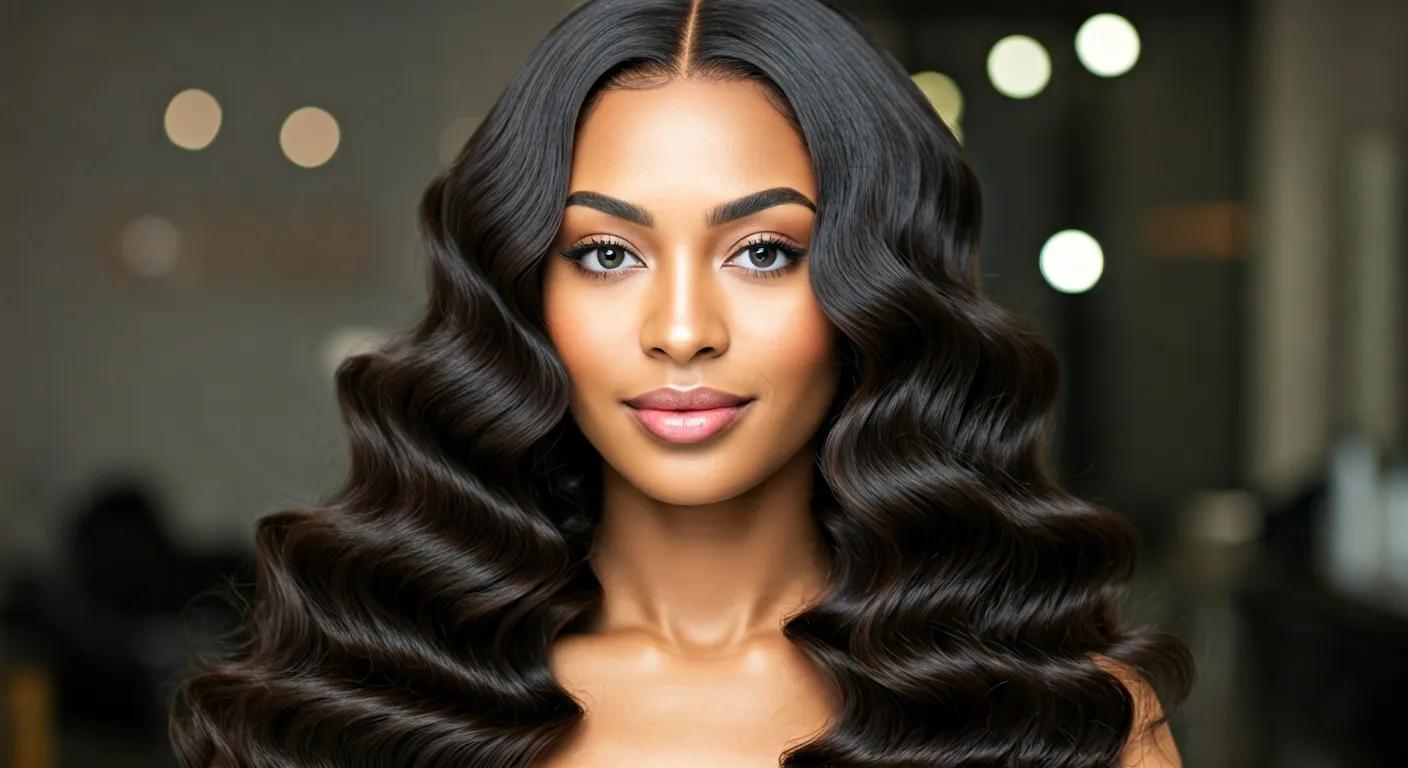
Hand-sewn extensions, also known as hand-tied or bead-weft extensions, are a salon-favorite method designed to provide fullness and length while maintaining a natural, lightweight feel. This technique involves sewing wefts of hair onto small silicone-lined beads that are gently attached to sections of your natural hair. The result is a flexible, low-tension installation that moves naturally and blends seamlessly.
How the Hand-Sewn Method Works
During installation, a stylist sections your natural hair and attaches tiny beads close to the scalp. Wefts are then sewn into these anchor points using a looping thread technique that distributes weight evenly. Because the extensions are secured without glue or tape, this method is known for being gentle on the scalp and supportive of long-term hair health.
Key Benefits of Hand-Sewn Extensions
Hand-sewn extensions are valued for their comfort, subtlety, and styling flexibility. When applied correctly, they offer:
- Natural Movement: The wefts flow and move like your own hair.
- Gentle Application: No adhesives mean less chance of scalp irritation or residue buildup.
- Long-Lasting Results: The installation holds securely through various styles and routines.
- Styling Freedom: Ideal for ponytails, braids, and updos without visible tracks.
- Comfortable Wear: Even distribution reduces strain on individual hair strands.
These qualities make hand-sewn extensions a preferred choice for those looking to enhance their look without compromising hair health. For high-quality options designed with both durability and elegance in mind, explore the hand-sewn extensions available from Platform Hair Extensions.
Things to Consider with Hand-Sewn Extensions
While the benefits are numerous, hand-sewn extensions do require professional expertise for proper placement and maintenance. The installation process takes time and precision, and improper technique can lead to scalp tension or discomfort. Choosing an experienced stylist is key to achieving a comfortable and flawless result.
What Are Tape-In Extensions and Why Are They Popular?
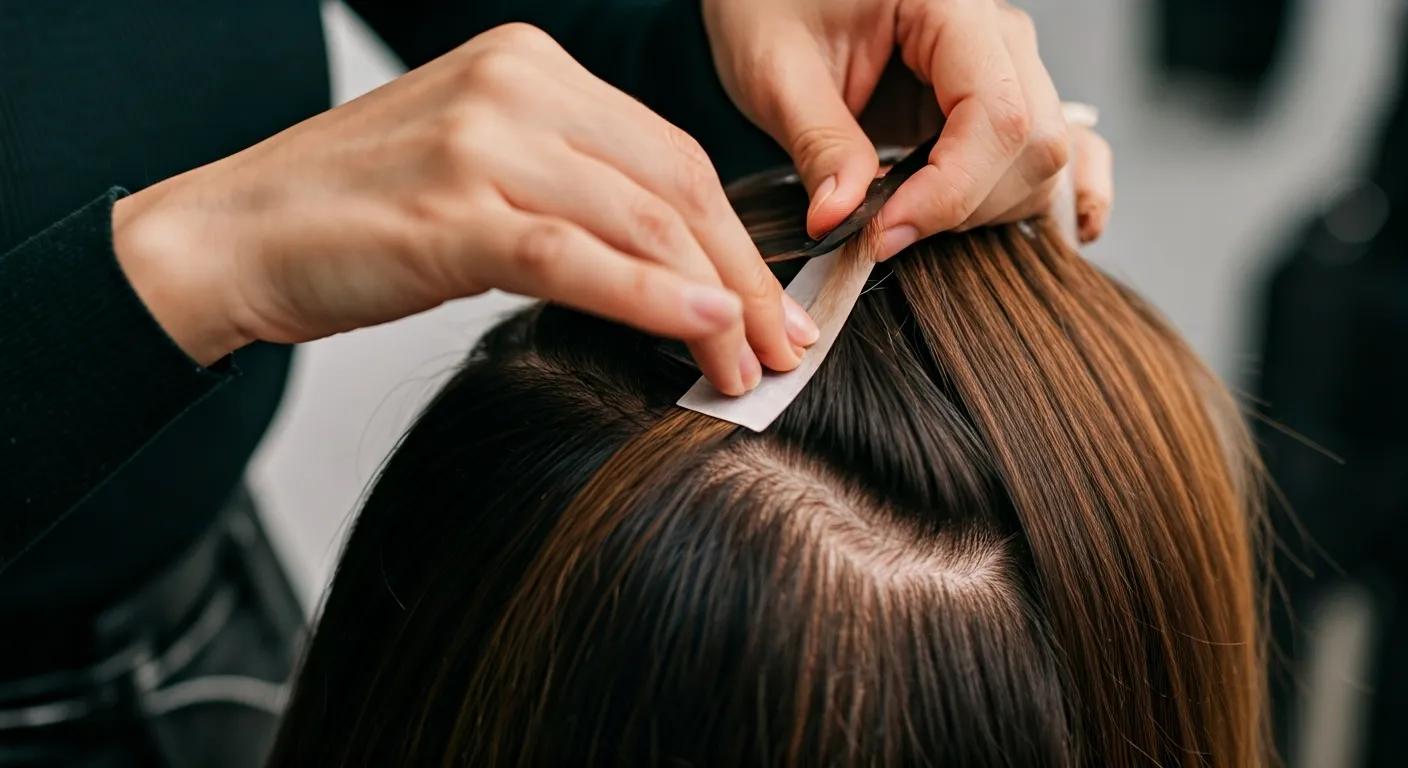
Tape-in extensions are lightweight hair wefts pre-bonded with a medical-grade adhesive that “sandwiches” small sections of natural hair between two strips. Known for their flat, discreet finish and quick application, tape-ins are especially popular among those with fine to medium hair. They provide an instantly fuller appearance while maintaining a natural, seamless blend with your own strands.
How Tape-In Extensions Are Applied
To apply tape-in extensions, a stylist sections the natural hair and places one adhesive strip underneath a thin layer of hair. A second strip is then pressed on top, creating a secure bond that lies close to the scalp. The result is a smooth, flexible connection that requires little downtime or discomfort. To maintain performance and appearance, tape-in extensions typically need to be repositioned every few weeks as the natural hair grows out.
Key Benefits of Tape-In Extensions
Tape-in extensions appeal to many because of their efficiency and ease of use. Some of their most recognized advantages include:
- Quick Application: Ideal for clients looking for faster appointments.
- Low Profile Fit: Flat wefts blend effortlessly into fine hair textures.
- Reusability: The same wefts can be reapplied multiple times with proper care.
- Natural Appearance: When worn down, the tapes remain nearly invisible.
- Flexible Styling: Lightweight enough for casual daily styles and loose waves.
These features make tape-ins a go-to method for individuals who want a natural, low-commitment volume boost.
Considerations with Tape-In Extensions
While tape-in extensions are user-friendly, they do require consistent maintenance to stay secure and prevent tangling. Regular salon visits are necessary to reposition the wefts as your hair grows. Additionally, oil-based products near the scalp can weaken the adhesive over time. Updos and tight hairstyles may also reveal the tapes, so styling choices should be planned accordingly.
Comparing Hand-Sewn and Tape-In Extensions: Key Differences

Choosing between hand-sewn and tape-in extensions comes down to understanding how each method fits into your lifestyle, hair type, and styling preferences. Here’s a breakdown of how the two methods compare across essential attributes:
| Attribute | Hand-Sewn (Hand-Tied) | Tape-In |
|---|---|---|
| Installation Time | Longer installation requiring detailed, professional placement | Faster application, often completed in a single session |
| Maintenance Schedule | Move-ups typically every 6–8 weeks | Re-taping and repositioning every 6–8 weeks |
| Hair Longevity | Wefts can be reused with proper care for several months | Wefts can also be reused with retaping and regular upkeep |
| Damage Risk | Low when installed and maintained by a trained professional | Higher risk if adhesive is removed improperly |
| Best for Hair Type | Medium to thick hair; can suit fine hair with precise placement | Fine to medium hair; especially ideal for lightweight volume |
| Styling Versatility | Secure enough for updos, braids, and ponytails | Best for wearing hair down or in loose, casual styles |
| Visibility | Virtually undetectable in all hairstyles | Discreet when worn down; tapes may show in high updos |
| Wear Feel | Evenly distributed weight provides a comfortable feel | Lightweight and flat for everyday comfort |
This comparison helps clarify which method is more compatible with your day-to-day styling needs and hair characteristics.
How to Choose the Right Method for You
Choosing between hand-sewn and tape-in extensions isn’t a one-size-fits-all decision—it depends on your hair’s texture, your daily routine, and how you like to style your hair. The right method should enhance your natural look without compromising comfort or manageability. By evaluating how each option fits into your lifestyle, you can confidently select the extension type that offers both beauty and practicality. Whether you're seeking long-term wear or a quick transformation, understanding your needs is the key to making the best choice.
Hair Type Considerations
- Fine hair often benefits from tape-in extensions due to their minimal weight and flat bond.
- Medium to thick hair can support the structure of hand-sewn wefts, offering a fuller, more seamless look when applied with precision.
Lifestyle and Daily Routine
- If you're always on the go and prefer low-maintenance styling, tape-ins offer fast results with a natural appearance.
- If you wear your hair in high ponytails, tight braids, or prefer long-lasting structure, hand-sewn extensions provide more stability and styling flexibility.
Styling Preferences
- Love updos, top knots, or detailed braids? Hand-sewn extensions are less likely to show and hold up well to frequent styling changes.
- Prefer loose waves, casual looks, or wearing your hair down? Tape-ins offer a sleek, smooth finish that blends in effortlessly.
Maintenance Commitment
Both methods require regular salon visits every 6–8 weeks to keep them secure and looking their best. Choosing a method that fits your schedule and comfort level with maintenance is just as important as how it looks.
Why Professional Application and Maintenance Matter

Whether you choose hand-sewn or tape-in extensions, expert application plays a major role in protecting your natural hair and achieving long-lasting, flawless results. Certified stylists are trained to install extensions with the proper tension, placement, and technique—reducing the risk of breakage, matting, or uneven weight distribution. They also use professional tools and products that ensure a secure hold and a polished, natural finish.
The Risks of DIY Methods
Applying or removing extensions at home may seem convenient, but it can lead to more harm than good. Common issues include tangled wefts, visible bonds, adhesive residue, and even traction damage to your natural hair. Without proper training, it’s easy to compromise the integrity of both your hair and the extensions.
When and How to Maintain Your Extensions
To keep your extensions looking fresh and feeling secure, move-ups or re-taping should typically occur every 6 to 8 weeks. These appointments not only realign your extensions with your hair growth but also give your stylist the chance to check for product buildup, tangling, or stress at the roots. Staying consistent with maintenance helps extend the life of your extensions and keeps your natural hair in good condition.
Safe and Effective Removal Techniques
Professional removal is just as important as installation. For tape-ins, stylists use specialized, oil-based solutions to dissolve the adhesive gently without pulling or tearing at your strands. With hand-sewn extensions, wefts are carefully detached from the beads and thread, preserving the weft and avoiding scalp tension.
Frequently Asked Questions
What’s the main difference between hand-sewn and tape-in extensions?
Hand-sewn extensions are sewn into beads attached to your hair, while tape-ins use adhesive strips to sandwich hair between wefts. The installation method and styling flexibility are the primary differences.
Can I wear my hair up with tape-in extensions?
You can wear your hair up with tape-ins, but the adhesive tabs may be visible in tight or high styles. Hand-sewn extensions are better for seamless updos.
Which extension method lasts longer?
Both types require maintenance every 6–8 weeks, but the hair itself can last several months with proper care. Longevity depends more on maintenance than method.
Are hand-sewn extensions uncomfortable?
Not when installed correctly. Hand-sewn extensions distribute weight evenly and feel natural once you adjust to them, typically within a few days.
Can I apply or remove extensions at home?
It’s not recommended. Improper application or removal can damage your natural hair. Professional installation ensures safety, comfort, and the best results.
How do I know which extension type is right for me?
Consider your hair texture, how you like to style your hair, and how much time you can commit to maintenance. A consultation with a stylist can help you decide what works best.
Conclusion
When it comes to choosing between hand-sewn and tape-in extensions, there’s no universal answer—only the method that best supports your hair type, lifestyle, and styling goals. Hand-sewn extensions offer long-term wear, flexibility, and a natural flow, especially for those with medium to thick hair.
Tape-in extensions, on the other hand, provide fast, lightweight volume that blends easily with fine to medium hair and requires less installation time. By understanding the benefits, care requirements, and differences between these two methods, you can make a confident choice that keeps your hair looking and feeling its best.