

The Benefits of Selecting Weft Hair Extensions for Your Look

Weft hair extensions have become a go-to solution for individuals seeking to enhance their hair’s volume, length, and overall fullness with a seamless finish. Designed to blend naturally with a variety of hair textures and styles, wefts offer a durable, low-maintenance way to transform your look without daily reattachment or excessive styling. Whether you're looking for a fuller ponytail, longer layers, or a more polished style for everyday wear, weft extensions provide flexibility and long-lasting results when installed and maintained properly.
In this guide, we’ll explore how weft extensions work, what makes them stand out from other types, and why they continue to be a preferred option for those who want a natural-looking, confidence-boosting transformation. From texture-matching to installation techniques and long-term care, we’ll break down everything you need to know to make an informed and hair-friendly decision.
Key Takeaways
- Weft extensions add natural-looking volume and length.
- They blend easily with various textures and hair types.
- Sew-in and tape-in methods offer long-lasting, secure wear.
- Proper installation helps prevent stress on your natural hair.
- Human hair wefts offer more styling flexibility than synthetic ones.
- With good care, weft extensions can be reused and remain in great condition.
What Are Weft Hair Extensions and How Do They Work?

Weft hair extensions are sections of hair that are sewn together along one edge, forming a continuous strip known as a “weft.” These wefts are attached to your natural hair using methods such as sewing, taping, or micro-linking, depending on your hair type and styling goals. Once installed, the extensions blend with your natural strands to add instant length, density, and movement. A stylist can cut, layer, and style the wefts to achieve a customized, seamless result that enhances your existing look.
What Exactly Is a Weft?
A weft is a horizontal strip of hair that’s held together at the top with a reinforced seam. This base allows the hair to be attached securely while distributing weight evenly across the scalp. The design minimizes tension on natural strands and supports a more natural-feeling and longer-lasting installation.
What Types of Hair Are Used in Weft Extensions?
Weft extensions are available in both human and synthetic hair varieties. Human hair wefts offer the most natural appearance and are typically preferred for their softness, shine, and ability to be styled with heat tools. They blend more seamlessly and respond better to washing, coloring, and daily wear. Synthetic options, while not as versatile, can still be a practical choice for short-term use or special styling needs.
How Are Weft Extensions Installed?
Installation techniques vary based on hair type and the desired level of permanence. Common methods include:
- Sew-in: The natural hair is braided, and the wefts are sewn directly onto the braids for a secure and long-lasting fit.
- Tape-in: Double-sided adhesive strips attach the wefts to sections of natural hair, offering a lightweight and semi-permanent solution.
- Micro-bead: Small beads are used to clamp the weft to natural hair without the use of heat or glue.
Each method has its advantages, and a professional stylist can recommend the most suitable option to match your hair’s texture, condition, and lifestyle.
Benefits of Weft Hair Extensions

Weft hair extensions offer a natural-looking solution for anyone seeking fuller, longer hair without the need for daily styling or constant upkeep. Their construction allows for even weight distribution, which helps minimize tension on the scalp and promotes a healthier, more comfortable wear experience. When installed by a trained stylist, wefts integrate seamlessly into your existing hair, enhancing both volume and length in a way that feels secure and effortless.
Seamless Volume and Length
One of the standout advantages of weft extensions is their ability to provide instant transformation. The wide, continuous sections of hair are positioned close to the scalp, adding noticeable fullness and length without obvious separation or bulk. The extensions fall naturally with your own hair, creating a smooth, blended appearance that’s difficult to detect—even upon close inspection.
Styling Versatility
Weft extensions are available in a variety of textures, from sleek and straight to soft waves and defined curls. This range allows for a wide selection of styling options, including ponytails, braids, half-up styles, or cascading layers. Whether you're preparing for a special event or simply want a bit more polish in your day-to-day look, wefts adapt easily to your hair goals.
Gentle on Natural Hair
Compared to more invasive methods, properly installed weft extensions are considered a low-impact option. Techniques like sew-in or tape-in avoid harsh adhesives or excessive heat, helping preserve the integrity of your natural hair. The even distribution of weight also reduces localized pulling, which can be a concern with other extension types.
Long-Lasting Results
With consistent maintenance and thoughtful care, weft extensions retain their look and feel for an extended period. Their secure attachment makes them suitable for regular wear, and with the right routine—including detangling, moisturizing, and occasional professional adjustments—they continue to deliver a polished, natural appearance over time.
How to Choose the Right Weft Hair Extensions for Your Hair Type and Style

Selecting weft hair extensions starts with understanding how they will complement your natural hair. The goal is to create a seamless blend in both appearance and feel, which means considering factors like hair texture, density, and color. By aligning the extension characteristics with your hair’s natural qualities, you ensure both comfort and a polished result that feels like an organic extension of your own style.
Hair Types Best Suited for Weft Extensions
Weft extensions are highly adaptable and can be customized for a wide range of hair types. They’re especially helpful for those with fine or thinning hair who want to add volume without placing too much stress on the roots. However, individuals with medium to thick hair also benefit from the added length and fullness. The key is in proper application—when installed with care, wefts distribute weight evenly and minimize strain, making them a safe and flattering option for various textures.
Matching Color and Texture for a Natural Finish
To achieve a cohesive and undetectable look, the extensions should closely match your natural hair color and texture. Whether your strands are straight, wavy, or curly, there are wefts designed to mirror those patterns. Color blending is equally important—extensions that are either pre-toned or custom-toned can be layered into your hair for a multi-dimensional, natural effect. Stylists often use feathering and blending techniques to refine the result, ensuring the extensions move and fall just like your own hair.
Choosing the Right Length
Extension length can dramatically influence your overall look. Shorter wefts offer subtle volume boosts, while longer options create a more transformative effect. When deciding on length, consider your facial shape, lifestyle, and how you typically wear your hair. A well-chosen length should not only enhance your profile but also be easy to manage and style regularly. The right fit balances visual impact with everyday wearability.
Types of Weft Hair Extensions
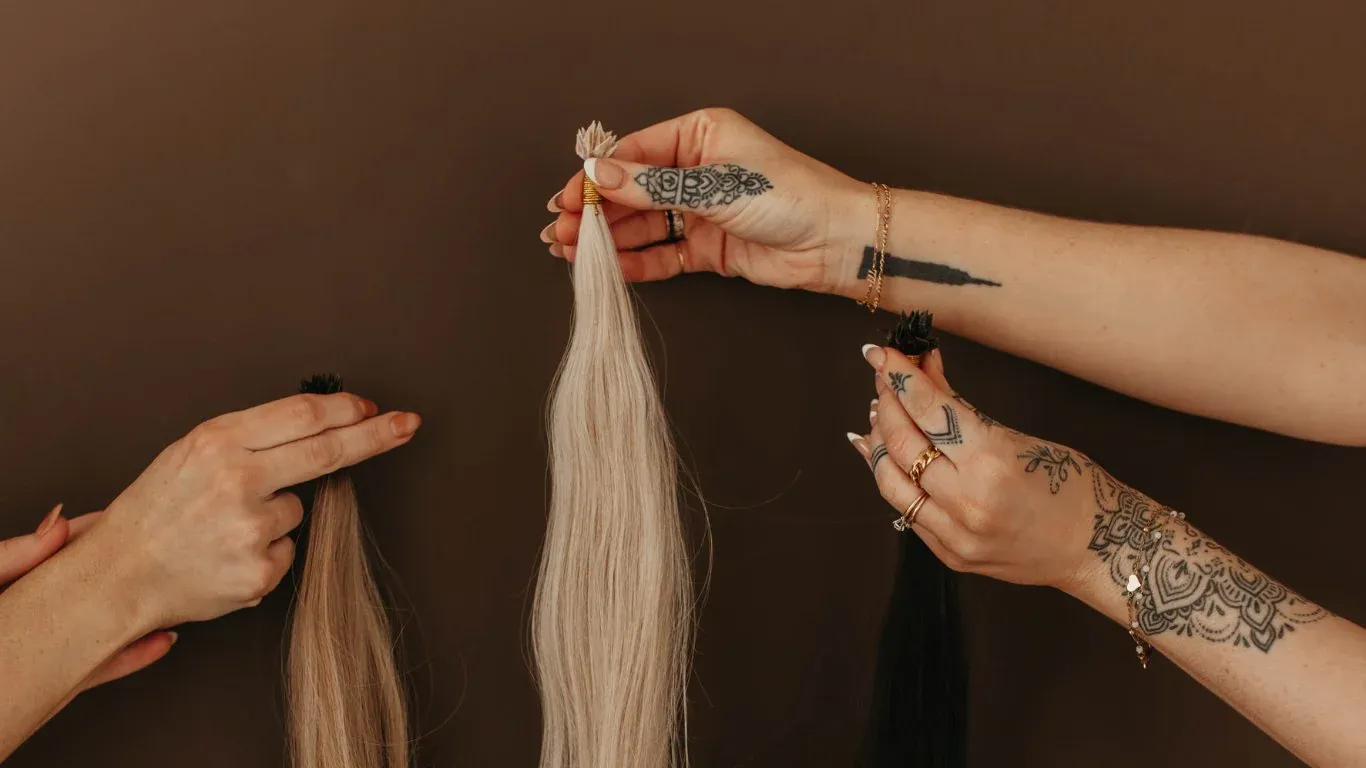
Weft hair extensions come in a variety of types, each with distinct qualities based on the source of the hair and the way it’s processed. Understanding these differences is essential for choosing the best option to match your styling needs, lifestyle, and hair goals.
Human Hair Wefts
Human hair wefts are valued for their natural look, soft feel, and styling flexibility. Because they behave similarly to natural hair, they can be washed, heat-styled, and blended seamlessly into your existing strands. This makes them a preferred option for individuals seeking a polished, low-maintenance result that can adapt to different hairstyles over time. When properly cared for, human hair wefts can maintain their appearance and texture through multiple wears.
Synthetic Hair Wefts
Synthetic weft extensions are made from man-made fibers designed to mimic the look of natural hair. These wefts often come pre-styled and hold their shape well, which can be convenient for specific looks or short-term use. However, they are typically not suitable for heat styling and may not blend as effortlessly with natural hair. While they offer a different kind of convenience, they are best suited for occasions where minimal styling is required.
Virgin vs. Remy Human Hair
Among human hair types, the terms “virgin” and “Remy” refer to how the hair has been collected and treated.
- Virgin hair refers to strands that have never been chemically processed. It maintains its original texture and integrity, making it ideal for those who want a completely natural foundation for customization.
- Remy hair is gathered in a way that keeps the cuticles aligned in the same direction. This helps reduce tangling and improves manageability, resulting in a smooth, cohesive finish.
Both types are known for their durability and ability to blend well with natural hair, though they differ slightly in texture and styling flexibility depending on their origin and treatment history.
How Are Weft Hair Extensions Installed and Maintained?

Professional installation through sew-in or tape-in methods ensures secure attachment. Maintaining wefts involves gentle washing, conditioning, and periodic touch-ups by a skilled stylist, which not only preserves their look but also protects your natural hair.
What Are the Professional Installation Methods for Weft Extensions?
Sew-in methods involve braiding natural hair and stitching the weft, while tape-in uses adhesive strips. Both methods are performed by experts to ensure a discreet, long-lasting result while minimizing discomfort and hair stress.
Can You Install Weft Extensions Yourself: Pros and Cons?
Although DIY kits are available, professional installation is recommended to avoid uneven distribution and potential damage. DIY may save costs but raises the risk of improper adhesion and strain on natural hair.
How to Properly Wash and Style Weft Hair Extensions?
Use sulfate-free shampoos and conditioners to preserve moisture and shine. Wash the extensions gently, detangle with a wide-tooth comb, and use low heat on styling tools, always with a heat protectant, to maintain both the wefts and natural hair.
Which Hair Care Products Are Recommended for Weft Extensions?
Opt for gentle, nourishing hair care products like those from Oribe that prevent dryness and frizz. Heat protectants, hydrating conditioners, and leave-in treatments help maintain the silkiness of the extensions and protect the cuticle.
How Do Weft Hair Extensions Compare to Other Hair Extension Types?
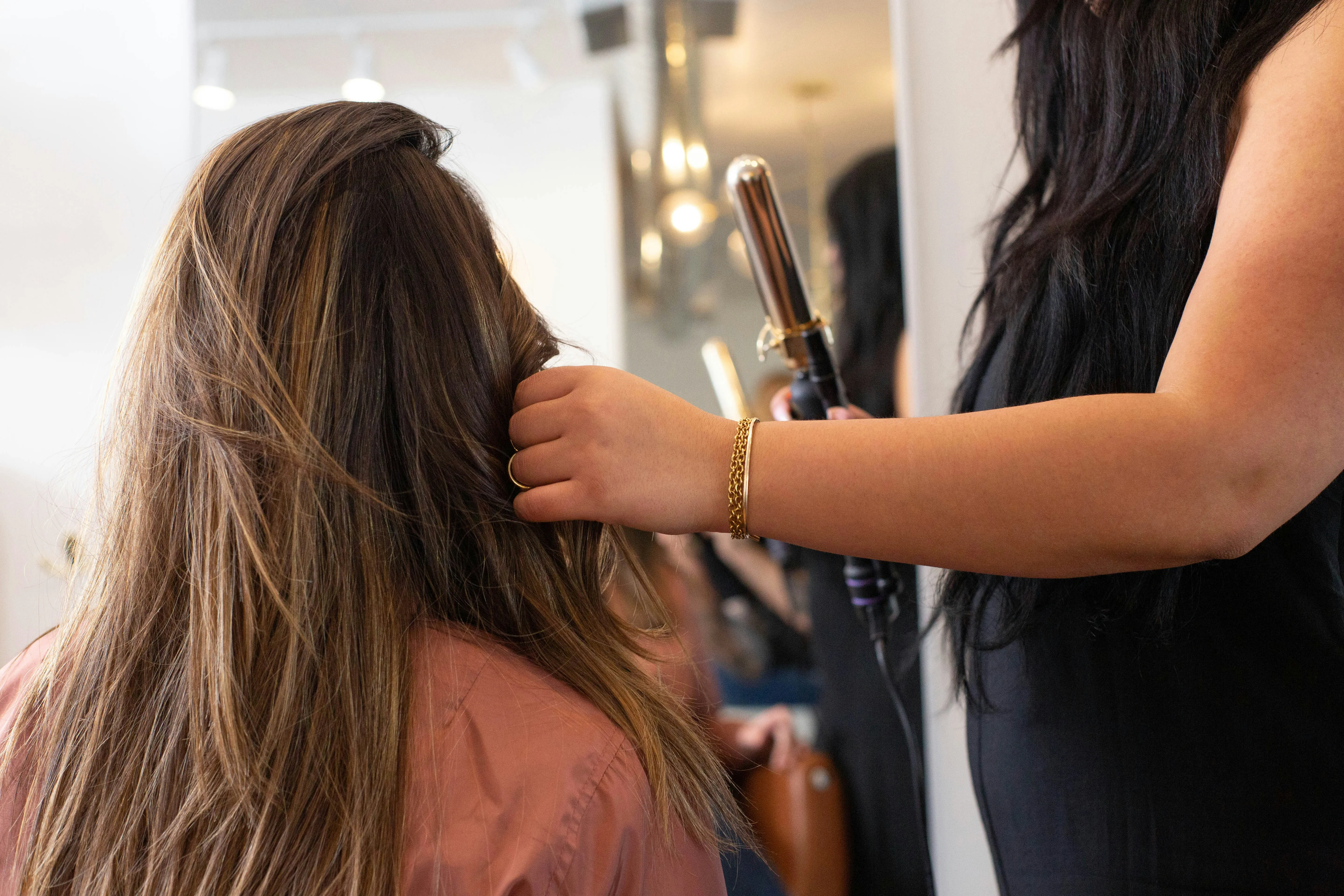
Weft extensions stand out by offering superior durability, versatility, and a natural look compared to clip-ins or fusion bonding. Their even weight distribution and multiple installation options make them a preferred choice for adding volume and length discreetly.
What Are the Differences Between Weft and Clip-in Extensions?
Clip-in extensions attach temporarily and must be removed daily, while weft extensions provide a semi-permanent solution. Wefts offer a more natural integration and continuous volume without daily reattachment.
How Do Tape-in Weft Extensions Differ From Fusion or Keratin Bonds?
Tape-in applications use adhesive strips for a gentle, reversible hold, whereas fusion methods use heated keratin glue for a long-lasting bond. Tape-ins are quicker to install and less damaging to natural hair compared to the heat-induced bonding of fusion methods.
Why Might Weft Extensions Be a Better Choice for Thin or Fine Hair?
Their design distributes weight evenly, reducing stress on fine strands. This protective application adds volume without overloading or damaging delicate hair, creating a fuller, richer appearance safely.
Understanding the Variables Behind Weft Hair Extension Selection

When choosing weft hair extensions, several factors influence your experience and results—ranging from the type of hair to the method of installation. While there’s no one-size-fits-all solution, understanding these elements can help you make informed decisions that align with your hair goals and maintenance expectations.
What Influences the Choice of Hair Type?
The texture, origin, and processing of the hair all contribute to how natural the extensions will look and feel. Human hair wefts typically offer greater styling flexibility and a more seamless blend, while synthetic options may serve specific, short-term purposes where heat styling isn’t required. The key is selecting a type that suits your lifestyle and how often you plan to wear and style your extensions.
Installation Method Matters
Different attachment methods—such as sew-in, tape-in, or micro-link—can affect both the look and longevity of your extensions. The best technique for you depends on your natural hair density, scalp sensitivity, and desired level of maintenance. Each method offers unique benefits, and working with a trained stylist can ensure proper placement for comfort and natural movement.
Customization and Styling Considerations
Beyond application, customization plays an essential role in achieving a seamless finish. Blending the extensions with your hair’s natural color and texture, adjusting the length to suit your facial features, and layering for volume are all part of the process. These refinements ensure the extensions not only look authentic but also support a style that feels uniquely yours.
Finding the Right Balance of Quality and Care
Rather than focusing on cost alone, consider the overall quality of the hair, the skill of the stylist, and the care routine you’re willing to commit to. High-quality extensions that are well-matched, correctly installed, and consistently maintained tend to offer the best results over time—enhancing both the look and health of your hair.
What Are Common Questions About Weft Hair Extensions?
Common questions address concerns about damage, lifespan, and reusability, helping potential clients make informed decisions about their hair extension options.
Are Weft Hair Extensions Damaging to Natural Hair?
When installed and maintained correctly by professionals, weft extensions minimize stress on natural hair. Even weight distribution and secure application help preserve hair integrity, though improper care can increase the risk of breakage.
How Long Do Weft Extensions Last With Regular Care?
Typically, they last between six months and a year if cared for with gentle washing, detangling, and periodic professional maintenance.
Can Weft Extensions Be Reused or Restyled?
Yes. When carefully removed, they can be cleaned, reprocessed, and restyled to match current trends, helping reduce waste and overall cost.
How Do I Remove Weft Hair Extensions Safely?
Always have them removed by a trained professional who can carefully cut or dissolve adhesive and gently detangle, ensuring both the extensions and natural hair remain undamaged.
| Feature | Weft Extensions | Clip-in Extensions | Fusion Extensions |
|---|---|---|---|
| Installation Method | Sew-in or tape-in methods | Temporary clip-on | Keratin-mediated bonding |
| Durability | Lasts 6–12 months with care | Daily use; removed at night | Lasts several months |
| Impact on Natural Hair | Even weight; gentle with care | Minimal daily usage | Potential heat damage |
The table above compares installation methods, durability, and impact on natural hair for different extension types.
Frequently Asked Questions
Can I still use heat tools on weft extensions?
Yes, if you're using human hair wefts, you can use heat tools. Always apply a heat protectant and use moderate settings to preserve the health of both your natural hair and the extensions.
How often should I wash weft extensions?
Weft extensions don’t need to be washed as frequently as natural hair. Depending on wear and styling habits, every 1–2 weeks is generally sufficient. Always detangle before washing and follow a gentle care routine.
Are weft extensions suitable for short hair?
Yes, weft extensions can be tailored for short, medium, or long hair. A professional can cut and layer the extensions to ensure a seamless transition, even for chin-length styles.
Can I color my weft extensions?
Human hair wefts can typically be toned or colored by a professional to better match your natural shade. However, synthetic wefts should not be dyed, as they do not absorb color the same way.
Will weft extensions damage my natural hair?
When applied and maintained correctly, weft extensions are considered low-damage. They distribute weight evenly and avoid harsh adhesives or excessive heat, making them a safer choice for many hair types.
Conclusion
Weft hair extensions offer a reliable and versatile way to enhance your hairstyle without compromising the health of your natural strands. Whether you're looking for more volume, added length, or a customizable finish that adapts to your lifestyle, wefts provide a balanced solution for long-term wear. With proper installation and care, these extensions blend seamlessly, feel natural, and allow for creative styling freedom. When chosen thoughtfully and maintained well, weft hair extensions can truly elevate your everyday look and boost your confidence in the process.