

The Benefits and Drawbacks of Hand Sewn Extensions

Hand-sewn hair extensions are known for their seamless blend, lightweight feel, and damage-conscious application. Whether you're seeking added length, volume, or styling flexibility, this method offers long-term results without relying on glue or heat. In this guide, we’ll explore what makes hand-sewn extensions unique, outline their main benefits and considerations, and compare them to other popular extension types, helping you decide if they’re the right fit for your hair and lifestyle.
Key Takeaways
- Hand-sewn extensions use a bead-and-thread method that avoids glue, heat, or harsh chemicals.
- They lay flat against the scalp, creating a smooth, natural look that blends easily with your own hair.
- The wefts are flexible and lightweight, allowing for a wide range of hairstyles, including updos and braids.
- They are gentle on natural hair, distributing weight evenly to reduce breakage or scalp tension.
- Compared to other methods, they offer more styling freedom and longer-term wear with proper maintenance.
- Platform Hair Extensions provides high-quality hand-sewn wefts designed for natural movement and lasting results.
What Are Hand-Sewn Hair Extensions and How Are They Installed?

Hand-sewn hair extensions are applied using hand-tied wefts—thin, flexible hair strips that are sewn into a row of tiny, silicone-lined beads. These beads are strategically placed along sections of your natural hair, creating a secure and discreet base without using glue, heat, or harsh chemicals.
Once the beads are in place, a stylist uses a curved needle and thread to sew the wefts into each bead. This technique forms a lightweight, low-tension track that lies flat against the scalp and moves naturally with your hair. The result is a seamless blend that supports a variety of styles, from casual waves to sleek ponytails and elegant updos.
What Makes Hand-Tied Wefts Unique?
Individually knotting hair strands create hand-tied wefts onto a fine, flexible seam. This handcrafted design ensures a consistently thin weft that lays close to the scalp and distributes weight evenly. Unlike bulkier machine-tied wefts, hand-tied versions offer improved comfort, less bulk, and better concealment—especially for those who prefer polished, natural-looking results.
Their slim profile enhances wearability and supports healthy hair by reducing stress at the attachment points. Because of their lightweight construction and near-invisible seams, hand-tied wefts are favored by stylists and clients seeking extensions that look and feel natural.
What Are the Main Benefits of Hand-Sewn Extensions?

Hand-sewn extensions are widely appreciated for their seamless appearance, gentle application, and styling flexibility. Unlike methods that use adhesives or heat, hand-sewn wefts are attached with a beaded row and thread, allowing for natural movement, reduced strain on the scalp, and an ultra-light feel. This makes them a preferred choice for clients seeking both everyday comfort and long-lasting wear.
Seamless, Natural Appearance
One of the most noticeable advantages of hand-sewn extensions is how well they blend with natural hair. The thin, flexible wefts lay flat against the scalp and follow the natural direction of hair growth. Because the wefts are color-matched and carefully sewn into place, they create undetectable volume and length—ideal for anyone wanting an invisible enhancement.
Less Stress on Natural Hair
The adhesive-free installation process makes hand-sewn extensions one of the most scalp-friendly options available. By avoiding glue, heat, or bonding chemicals, this method minimizes tension on the hair shaft and reduces the risk of breakage. The beaded foundation helps distribute weight evenly, preventing strain at the roots and supporting the health of your natural strands.
Comfortable and Versatile Styling
Hand-sewn extensions are designed to move naturally with your hair, which enhances overall comfort. Because the wefts are thin and flexible, they can be styled in high ponytails, buns, braids, and curls without exposing attachment points. This versatility makes them a favorite for those who regularly switch between casual looks and more polished styles.
Long-Lasting Wear and Easy Maintenance
With proper care and regular move-up appointments every 6 to 10 weeks, hand-sewn extensions can be reused multiple times. The wefts maintain their integrity across several installs, offering a durable solution for long-term wear. Regular maintenance ensures the extensions stay secure, while also preserving the health and appearance of your natural hair.
What Are the Considerations or Drawbacks of Hand-Sewn Extensions?
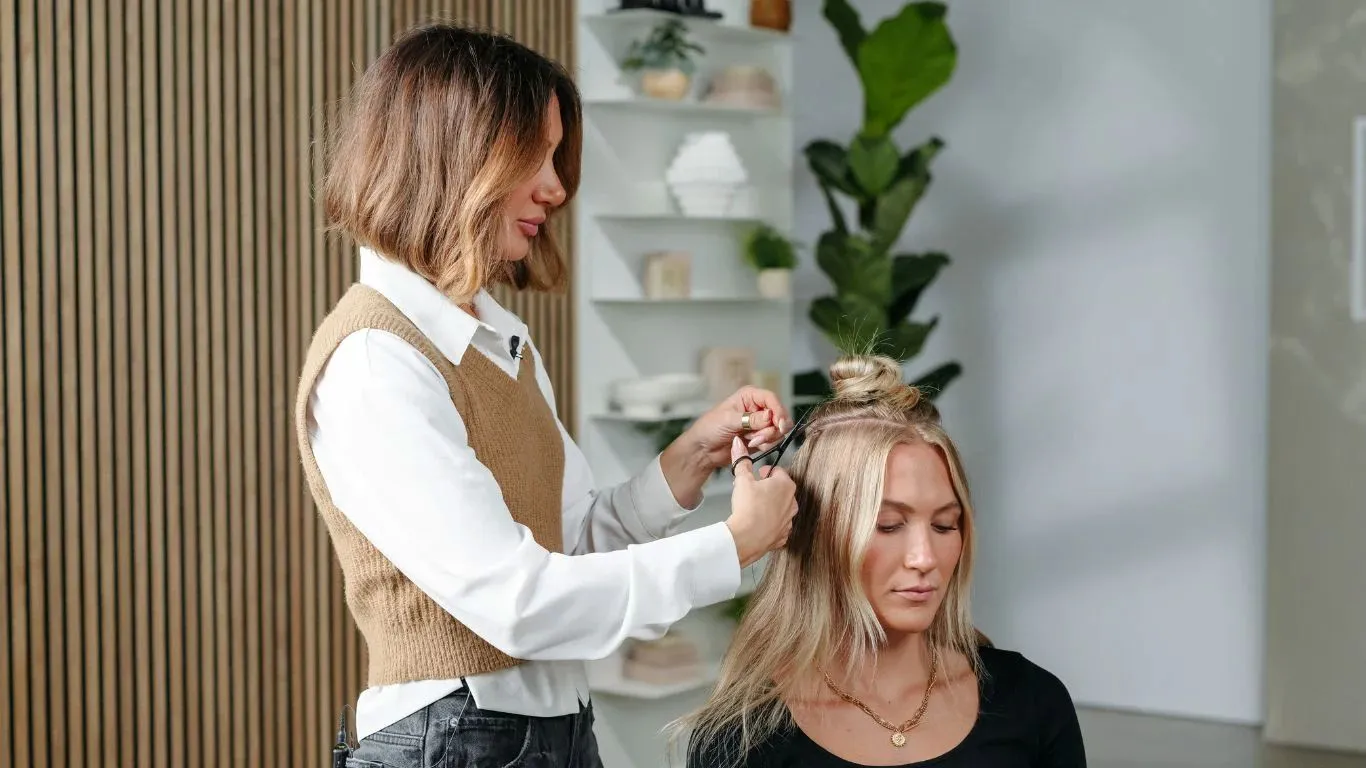
While hand-sewn extensions offer many benefits, they do require a greater level of time, technique, and ongoing maintenance compared to some other methods. Understanding these factors helps you make an informed decision that aligns with your hair goals and daily routine.
Longer Application Time
The installation process for hand-sewn extensions takes time and precision. Each section of hair must be carefully sectioned, beaded, and then sewn by hand. This attention to detail typically means a longer salon appointment compared to quicker options like tape-ins or clip-ins. However, this investment of time supports a more secure and natural-looking result.
Stylist Skill Is Essential
Because hand-sewn extensions rely on strategic bead placement and consistent stitching, the outcome depends heavily on the stylist’s expertise. Proper technique ensures even weight distribution, flat weft positioning, and long-lasting wear. When not installed correctly, extensions may feel uneven or loosen prematurely. Choosing an experienced stylist is key to achieving both comfort and visual harmony.
Requires Regular Maintenance
Like any semi-permanent method, hand-sewn extensions require consistent upkeep. Move-up appointments every 6 to 10 weeks are necessary to adjust for hair growth and ensure the extensions remain in the correct position. Skipping maintenance can lead to tangling, slippage, or strain on your natural hair.
How Do Hand-Sewn Extensions Compare to Other Popular Methods?

If you're deciding whether hand-sewn extensions are right for you, it helps to see how they compare to other common types. Below, we break down how hand-sewn extensions differ from tape-ins, sew-ins, clip-ins, micro-links, and fusion extensions.
Hand-Sewn vs. Tape-In Extensions
- How they attach: Hand-sewn extensions are stitched onto a row of tiny beads placed in your natural hair—no glue needed. Tape-ins use adhesive strips to sandwich a section of hair between two wefts.
- Time to apply: Hand-sewn installations take longer because each weft is sewn in by hand. Tape-ins are faster and typically done in one appointment.
- How they look in styles: Hand-sewn extensions are almost invisible, even in updos or ponytails. Tape-ins may show when the hair is pulled up tightly.
- Ongoing care: Both need regular maintenance every 6–10 weeks, but tape-ins may need to be adjusted a bit more often as the adhesive wears.
- Summary: Choose hand-sewn extensions for a more natural, long-term result. Choose tape-ins if you prefer faster application and lighter wear.
Hand-Sewn vs. Sew-In (Weave) Extensions
- How they attach: Hand-sewn extensions are sewn onto beads. Sew-ins are stitched onto cornrow braids across the scalp.
- Comfort level: Hand-sewn extensions feel light and flexible. Sew-ins can feel heavier or bulkier due to the braid base.
- Styling options: Hand-sewn wefts are easier to hide in a wide range of hairstyles. Sew-ins may limit updos depending on braid placement.
- Maintenance: Hand-sewn extensions can be adjusted easily. Sew-ins typically need full removal and re-braiding to maintain.
- Summary: Hand-sewn extensions are a lighter, more versatile alternative to traditional sew-ins.
Hand-Sewn vs. Clip-In Extensions
- How they attach: Clip-ins use snap-on clips you can attach and remove yourself. Hand-sewn extensions are semi-permanent and professionally installed.
- Best use: Hand-sewn extensions are meant for daily wear and active lifestyles. Clip-ins are ideal for occasional use, like special events.
- Blending and comfort: Hand-sewn wefts blend naturally and stay secure. Clip-ins can feel bulky or shift with movement, especially on fine hair.
- Summary: Clip-ins are great for temporary volume or length. Hand-sewn extensions offer a long-lasting, seamless look with more styling freedom.
Hand-Sewn vs. Micro-Link and Fusion Extensions
- How they attach: Micro-links use small metal rings to attach individual strands. Fusion extensions use heat to bond keratin tips to your natural hair. Hand-sewn extensions avoid both glue and heat.
- Hair health: Hand-sewn extensions are gentle on the scalp and reduce breakage risks. Micro-links and fusion can put more stress on your natural hair, especially over time.
- Maintenance and removal: Hand-sewn wefts are easier to maintain and adjust. Micro-link and fusion methods often need more time to remove or reposition.
- Summary: If you want a low-impact, long-term option that protects your natural hair, hand-sewn extensions are a smart choice.
How to Choose the Right Hair Extension Method for Your Hair Type and Lifestyle

The best hair extension method depends on a few key factors: your hair texture, how you style your hair day-to-day, and how much time you're willing to invest in maintenance. Taking all of this into account helps ensure your extensions look and feel natural—without putting stress on your scalp or strands.
Is Your Hair Type a Good Fit for Hand-Sewn Extensions?
Hand-sewn extensions work well for a wide range of hair types. They’re especially suited for medium to thick hair, but can also be applied to fine or curly textures when installed by a skilled stylist. The flexible wefts lay flat, adapt easily to your natural pattern, and provide secure volume without slipping.
What Role Does Your Lifestyle Play?
Your daily routine should also guide your decision. If you’re active and wear your hair up often, hand-sewn extensions offer secure hold and styling flexibility. If you need something quick to apply and remove, tape-ins or clip-ins may suit a busier schedule or more occasional wear. For those who want a long-term, low-fuss solution that blends seamlessly, hand-sewn extensions are a strong fit.
Why a Professional Consultation Matters
An experienced stylist will assess your hair’s health, density, and sensitivity before recommending the best method. They’ll also consider your desired look and how often you style or color your hair. Getting professional guidance ensures you end up with extensions that are comfortable, manageable, and tailored to your goals.
Hand-sewn extensions from Platform Hair Extensions offer a blend of quality craftsmanship, natural movement, and long-term styling freedom. By weighing your hair type, lifestyle, and maintenance preferences, you can choose a method that supports healthy, beautiful results with every wear.
Conclusion
Hand-sewn extensions are a standout choice for those looking for a natural, long-lasting way to add volume and length without compromising the health of their hair. With their lightweight feel, discreet application, and styling versatility, they offer a balanced blend of comfort and beauty. While they do require a bit more time and professional care, the results are worth it—especially for clients who want extensions that feel as natural as they look.
By understanding how hand-sewn extensions compare to other methods, and by factoring in your hair type and lifestyle, you can make a confident, informed decision. Whether you’re upgrading your everyday look or planning for a big event, this method offers a seamless solution with lasting results.
Frequently Asked Questions
What makes hand-sewn extensions different from other methods?
Hand-sewn extensions are attached to beads using thread, which eliminates the need for glue or heat. This creates a secure but gentle foundation that blends naturally and reduces the risk of hair damage.
Are hand-sewn extensions suitable for fine or curly hair?
Yes. Hand-sewn wefts can be custom-matched to various textures, including fine and curly hair. Proper placement by a professional ensures a natural blend and secure fit.
Can I wear my hair up with hand-sewn extensions?
Absolutely. Because the wefts lie flat and follow your natural hair flow, they stay hidden in updos, ponytails, and braids—offering excellent styling flexibility.
How long do hand-sewn extensions last?
With regular salon visits every 6–10 weeks and proper care, hand-sewn extensions can be reused across multiple installs and last several months.
Do hand-sewn extensions damage your natural hair?
When installed and maintained by a professional, hand-sewn extensions are one of the gentlest methods available. They avoid harsh adhesives and distribute weight evenly to protect your natural hair.
Should I consult a stylist before choosing an extension method?
Yes. A stylist can assess your hair health, lifestyle, and styling needs to help you select the right method and ensure a comfortable, damage-free experience.