

Key Signs to Spot Low-Quality Weft Extensions Before Buying

Shopping for hand-sewn weft hair extensions? Don’t let poor quality fool you. Low-grade extensions can cause excessive shedding, tangling, and even long-term damage to your natural hair. From loose stitching to synthetic shine, there are clear warning signs if you know what to look for. This guide will walk you through how to spot low-quality hand-sewn wefts, inspect construction flaws, and choose brands that use 100% Remy hair with aligned cuticles and ethical sourcing. Let’s help you make smarter, safer choices for flawless results.
Key Takeaways
- Poor-quality wefts often shed, tangle, and have an unnatural shine.
- Remy hair is best—it keeps cuticles aligned and prevents matting.
- Check stitching: loose threads or bulky seams mean low craftsmanship.
- Strong chemical smells may indicate over-processing or synthetic fibers.
- Ethical brands provide sourcing transparency and fair pricing.
- Investing in premium wefts saves you money and protects your natural hair.
What Are the Key Signs of Low-Quality Hand-Sewn Weft Extensions?

Low-quality hand-sewn weft extensions typically show visible flaws in hair strength, texture, and overall appearance. These problems often occur when the cuticles are misaligned or when synthetic fibers are mixed with human hair. As a result, the extensions break down more quickly and fail to blend naturally.
One of the most obvious signs is strand loss during simple handling or brushing. This kind of shedding suggests that the bonds at the weft edge are weak, unlike the secure alignment found in high-quality Remy extensions. Below is a quick reference chart outlining the most common red flags and how they appear.
| Issue | Cause | What It Looks Like |
|---|---|---|
| Excessive Shedding | Damaged or loose cuticles | Strands fall out when gently brushed or shaken |
| Tangling | Misaligned fibers | Knots and mats form in the middle or at the tips |
| Unnatural Shine | Synthetic coatings | Plastic-like gloss that lacks the softness of real hair |
| Inconsistent Color | Poor dyeing process | Patchy, streaked, or faded tones after washing |
How Does Excessive Shedding Indicate Poor Extension Quality?
Excessive shedding is a strong indicator that the hair cuticles are damaged, reversed, or missing entirely. Without proper alignment, the strands fail to stay in place and slip out of the weft during brushing or wear. In contrast, high-quality Remy hair features cuticles that are all aligned in the same direction, which helps the strands stay secure and reduces breakage.
The Importance of Remy Hair
Remy hair is known for its durability and natural look, thanks to its uniform cuticle alignment. This structure allows the hair to remain smooth and manageable, reducing the risk of tangling and matting. Non-Remy hair lacks this consistency, which often leads to rough texture, knots, and a shorter lifespan for the extensions.
If you notice loose hairs around the weft edge or falling onto the counter, this could mean the stitching or bonding is already breaking down. Early shedding like this is a red flag that the extension will thin quickly over time. Always inspect for these signs before making a purchase.
What Does Tangling Reveal About Hair Extension Quality?
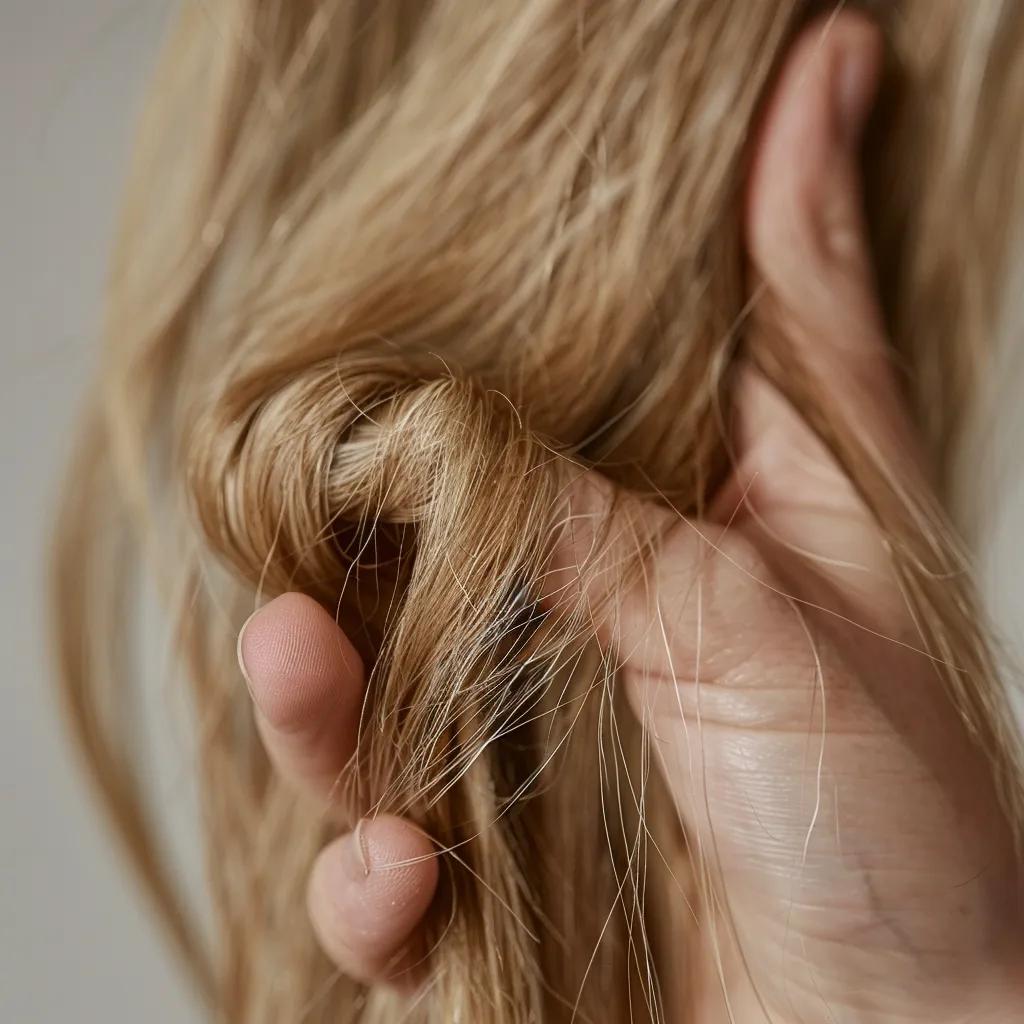
Tangling indicates that hair cuticles catch against each other rather than sliding smoothly, a hallmark of non-Remy or chemically over-processed hair. When weft bundles twist together at the mid-shaft, it points to improper fiber alignment or synthetic blends. These snarls trap debris and shorten the extension’s life span, so avoiding tangled wefts preserves a sleek, manageable finish. Recognizing knots before installation saves time and frustration later.
How Can Unnatural Shine or Texture Signal Low Quality?
A plastic-like shine or stiff texture means coatings or synthetic fibers mask real cuticle detail. Genuine human hair offers soft, natural sheen and a slight motion in light. If extensions feel rubbery or appear brilliantly glazed, they may include non-human material or excessive silicones. Choosing true Remy wefts ensures natural movement and a blend that “breathes” with styling products rather than resisting them.
Why Is Inconsistent Color or Fading a Warning Sign?
Uneven patches, streaks, or early fading after a gentle wash show low-grade dyes or poor processing controls. Premium wefts dyed under strict color-fast protocols maintain uniform tones even after repeated shampoos. Spotting streaks or washed-out sections signals that hair will require frequent re-dyeing, risking damage and increasing maintenance costs.
How Can I Inspect Weft Construction to Spot Poor Craftsmanship?

Inspecting weft construction focuses on stitching quality, density, and processing odors to assess durability. A true hand-sewn Remy weft uses tight, even stitches and thin, flexible bands that lie flat. By feeling and viewing the edge, buyers can detect bulk, loose threads, or chemical residues that compromise comfort and longevity. Below are three construction checks to perform before purchasing.
- Check for bulky or visible weft bands that will create lumps under hair and irritate the scalp.
- Verify stitching consistency, ensuring no loose or uneven threads that can unravel with gentle tugging.
- Sniff for chemical odors or residues that indicate harsh processing or synthetic hair blends.
What Does Bulky or Visible Weft Construction Tell You?
A bulky weft edge with thick weaving means hair may bunch or lift from the scalp, disrupting a natural lay-flat look. Premium weft extensions use narrow, reinforced bands that spread tension evenly across the root. Visible lumps highlight cost-cutting shortcuts in hand-tying, leading to discomfort and visible weft lines after styling.
How Does Loose or Uneven Stitching Affect Durability?
Loose stitching or uneven thread spacing undermines weft integrity by allowing hairs to slip free and strands to migrate out. When a single row of stitches sits irregularly, it signals low-skill assembly that can fray under brushing or heat. Durable wefts feature double-tie techniques and reinforced stitching for minimal shedding and longer wear.
Why Should Chemical Smells or Residues Raise Concerns?
A strong processing smell or sticky residue on the weft reveals over-use of smoothing silicones, keratin adhesives, or synthetic fibers. Genuine Remy hair undergoes minimal, hair-friendly processing and carries little to no odor. Detecting harsh chemical traces warns of accelerated damage and potential scalp irritation.
What Vendor and Sourcing Red Flags Should Buyers Watch For?
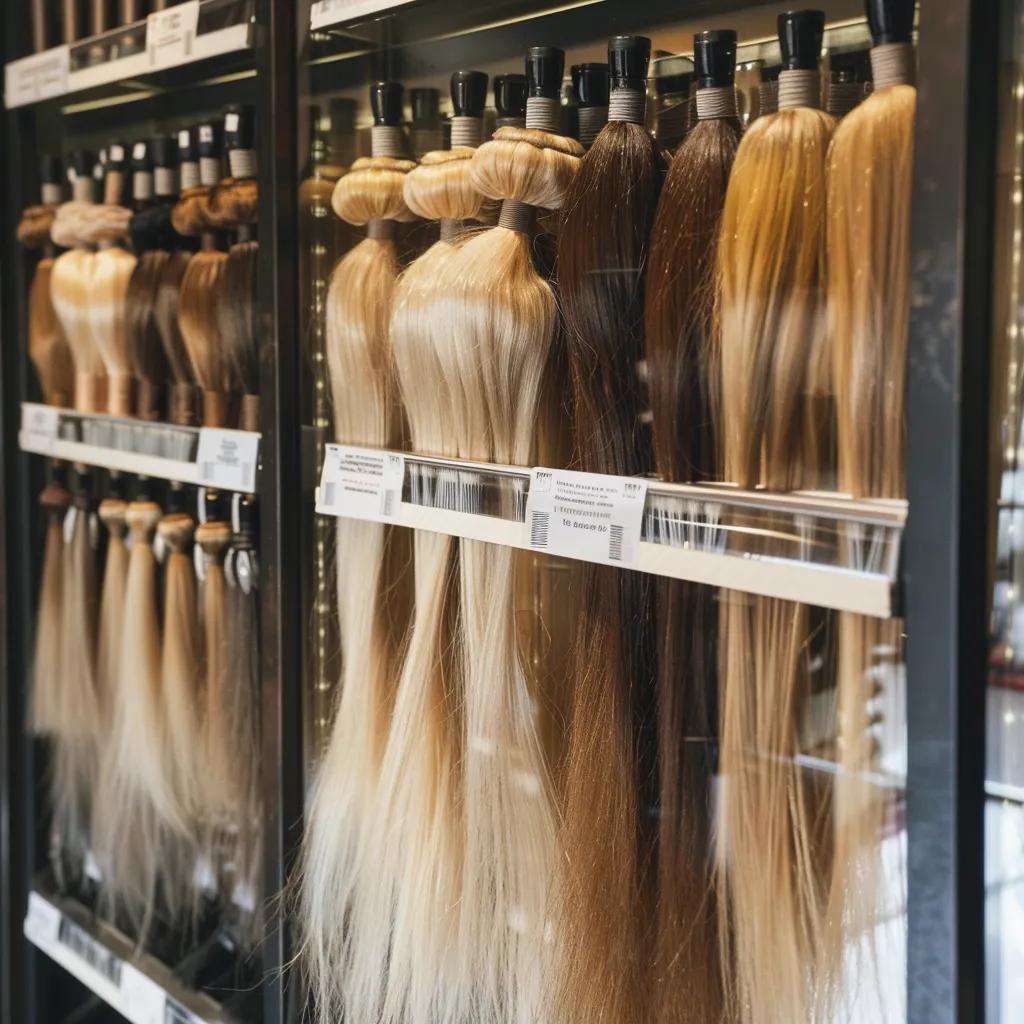
Vendor transparency and ethical sourcing reflect on hair quality and brand credibility. Reputable providers disclose hair origin, processing methods, and supply chain ethics. Red flags include vague origin claims, unrealistic pricing, and poor stylist reviews that suggest corners were cut. The table below outlines key vendor indicators of low-quality extensions.
| Vendor Factor | Attribute | Red Flag |
|---|---|---|
| Sourcing Transparency | Ethical traceability | No origin details or third-party audits |
| Pricing | Market-aligned value | Prices far below comparable Remy wefts |
| Brand and Stylist Reputation | Verified professional use | Few or negative stylist endorsements |
How Does Lack of Transparency in Hair Sourcing Affect Quality?
When a supplier omits clear hair origin and donor compensation details, it often means quality controls are lax. Curated Remy hair sources uphold cuticle alignment and durability, whereas unverified supply chains may mix in shredded or chemically over-processed locks. Demand full sourcing information to ensure consistent premium standards.
Why Is Unrealistic Pricing a Sign of Low-Quality Extensions?
Prices significantly below industry norms cannot sustain ethical supplier relationships or skilled hand-sewing labor. Unrealistic bargains on hand-sewn wefts often reflect synthetic blends or high-speed machine assembly masquerading as premium. Investing in fair pricing secures superior materials and craftsmanship.
How Important Are Stylist and Brand Reputation in Quality?
Positive stylist endorsements and case studies show that extensions perform under real-world conditions. Brands anchored by certified professional courses and salon partnerships demonstrate technical expertise and consistent product performance. When experts trust a weft line, it confirms reliability for daily styling demands.
What Are the Long-Term Impacts of Choosing Low-Quality Extensions?

Opting for low-quality extensions can cause hair damage, high replacement costs, and unsatisfactory wear. Cheap wefts with shedding fibers lead to traction alopecia, while rough or bulky bands irritate the scalp over time. Below are three primary long-term consequences to consider before compromising on quality.
- Damage to natural hair structure through breakage and uneven tension.
- Short lifespan leading to frequent purchases and higher overall expense.
- Poor comfort and unnatural appearance under styling or heat tools.
Impact of Low-Quality Extensions
Low-quality hair extensions can lead to several negative outcomes, including damage to natural hair, a shorter lifespan for the extensions, and an unsatisfactory aesthetic result. These issues arise from factors such as shedding, tangling, and the use of harsh chemicals or synthetic materials. Choosing high-quality extensions is essential for maintaining the health and appearance of natural hair.
These impacts emphasize why selecting carefully crafted, ethically sourced Remy wefts pays dividends in health and style.
How Can Low-Quality Extensions Damage Natural Hair?
Inferior wefts that shed unpredictably pull on healthy strands, causing split ends and breakage at attachment points. Over time, constant friction and uneven tension contribute to thinning and potential traction alopecia, undermining the very hair you aim to enhance.
Why Do Low-Quality Extensions Have a Short Lifespan?
Extensions with loose stitching and mismatched cuticle alignment degrade quickly, matting and losing elasticity after just a few uses. The need for constant reapplication drives up cost and increases exposure to heat and chemical processes that weaken natural hair.
How Do Poor Extensions Affect Aesthetic Results and Comfort?
When wefts are bulky or stiff, they do not lie flat and can create visible ridges or bumps beneath styled hair. Combined with chemical residues, low-grade extensions feel rough against the scalp and limit smooth styling, resulting in a look and feel that falls short of seamless beauty.
Platform Hair Extensions exemplifies industry best practices by hand-sewing wefts with tight, even stitching, using only 100 percent human Remy hair and maintaining transparent, ethical sourcing. Investing in quality at the outset preserves natural hair health, reduces replacements, and ensures a flawless, natural finish every time.
Frequently Asked Questions
What is the difference between Remy and non-Remy hair?
Remy hair has cuticles aligned in one direction, which keeps it soft, smooth, and less prone to tangling. Non-Remy hair has mixed cuticle directions, leading to knots and faster wear.
How do I take care of hand-sewn weft extensions?
Use sulfate-free shampoo and conditioner. Detangle gently with a wide-tooth comb from ends to roots. Avoid too much heat, and always use a heat protectant. Store them flat or in a satin bag when not in use.
What brands are known for high-quality hand-sewn wefts?
Look for brands that use 100% Remy human hair and offer clear details about sourcing. Professional stylist endorsements and transparent company practices are strong signs of quality.
What should I do if my extensions tangle or shed a lot?
Gently detangle using a leave-in conditioner and wide-tooth comb. If shedding continues, check the stitching. You may need a professional stylist to assess or replace them.
Can I dye my hand-sewn weft extensions?
Yes, if they’re 100% human Remy hair. Always do a strand test first and follow dye instructions carefully. For best results, consider having them colored by a professional.
How long do hand-sewn weft extensions usually last?
With proper care, high-quality hand-sewn wefts can last 6 to 12 months. If they start to shed, tangle, or lose their shape, it may be time to replace them.
Conclusion
Choosing the right hand-sewn weft extensions can make all the difference, for your look and your hair health. By learning to recognize the signs of poor quality like shedding, tangling, and inconsistent color, you can avoid unnecessary damage and expense. Always look for tightly stitched, ethically sourced Remy hair that feels and looks natural. When you invest in premium extensions from trusted vendors, you’re not just buying hair, you’re protecting your own. Explore high-quality options that offer comfort, durability, and true beauty that lasts.