

How to Pick the Right Color and Texture for Weft Extensions

Transform your look or your client’s style with hand-sewn weft extensions that blend seamlessly. Discover how analyzing skin tone, assessing hair strands, and using professional tools can ensure a flawless match. This guide dives into the essentials of color matching, texture alignment, the benefits of premium wefts, expert consultation tips, and specialized solutions for thinning hair.
Key Takeaways
- Matching hair color to skin undertones (warm, cool, neutral) ensures a natural blend.
- Consider both the mid-lengths and ends of natural hair for accurate color extension matching.
- Aligning extension texture (straight, wavy, curly) with natural hair is crucial for a seamless look.
- Hand-sewn wefts lie flat, offering a discreet and comfortable installation.
- Premium Remy human hair provides longevity, shine, and better color retention.
- Proper consultation and aftercare are vital for maintaining extension quality and appearance.
Key Factors in Matching Hair Color for Hand-Sewn Weft Extensions

Achieving a perfect color match means understanding the natural dynamics of hair for a seamless blend. The right shade selection eliminates harsh lines and enhances movement. For instance, combining mid-length tones with subtle highlights at the ends adds depth without chemical treatments.
Consider these attributes when matching color:
| Entity | Attribute | Value or Example |
|---|---|---|
| Skin Undertone | Warm | Honey, golden blonde |
| Skin Undertone | Cool | Ash blonde, platinum |
| Natural Hair Section | Mid-length | Primary shade for base matching |
| Natural Hair Section | Ends | Slightly lighter for dimension |
| Professional Tool | Color Ring | Swatch chart for precise shade comparison |
These factors ensure extensions blend beautifully under different lighting and movement. Let’s explore how undertones refine your choice.
How Skin Undertones Influence Hair Extension Color Selection
Skin undertones guide the choice of complementary extension hues to enhance your complexion. Warm undertones glow with golden and caramel shades, while cool undertones shine with ash and smoky blondes. Neutral undertones can handle balanced tones like honey brown or soft chocolate, ensuring harmony between extensions and natural skin.
Color Matching and Skin Undertones
Understanding skin undertones is crucial for selecting the right hair extension color. Warm undertones pair best with golden and caramel shades, while cool undertones are complemented by ash and smoky blondes. Neutral undertones can accommodate a wider range of tones, such as honey brown or soft chocolate, ensuring a harmonious blend with the natural skin tone.
This analysis leads into seamless mid-length and end matching for lifelike depth.
Why Match Extensions to Your Natural Hair’s Mid-Lengths and Ends?
Hand-sewn weft extensions should mirror the client’s mid-length tones for uniform density. Blending ends with subtly lighter wefts creates a balayage effect without additional toner. Assess hair in natural light and always reference both mid-lengths and tips to avoid stark color differences.
Achieving dimension opens the opportunity to layer multi-tonal wefts.
Creating Dimension with Multi-Tonal Wefts Without Damaging Natural Hair
Using two or more weft shades allows stylists to craft custom highlights and lowlights through strategic layering. This technique enhances texture flow and movement without chemical processing, preserving hair integrity and cuticle health. For instance, alternating a chestnut base with caramel highlights yields a soft, sun-kissed look that develops with styling. Building on color nuance, professional tools simplify precision.
The Role of a Professional Color Ring in Color Matching
A color ring is a swatch collection of weft samples organized by lightness and warmth levels. Stylists use it to compare weft strands directly against natural hair under different lighting conditions. This tangible reference reduces guesswork, boosts client confidence, and accelerates selection accuracy. Clear color alignment supports the next step: texture blending.
Matching Hair Texture for a Seamless Blend with Hand-Sewn Wefts
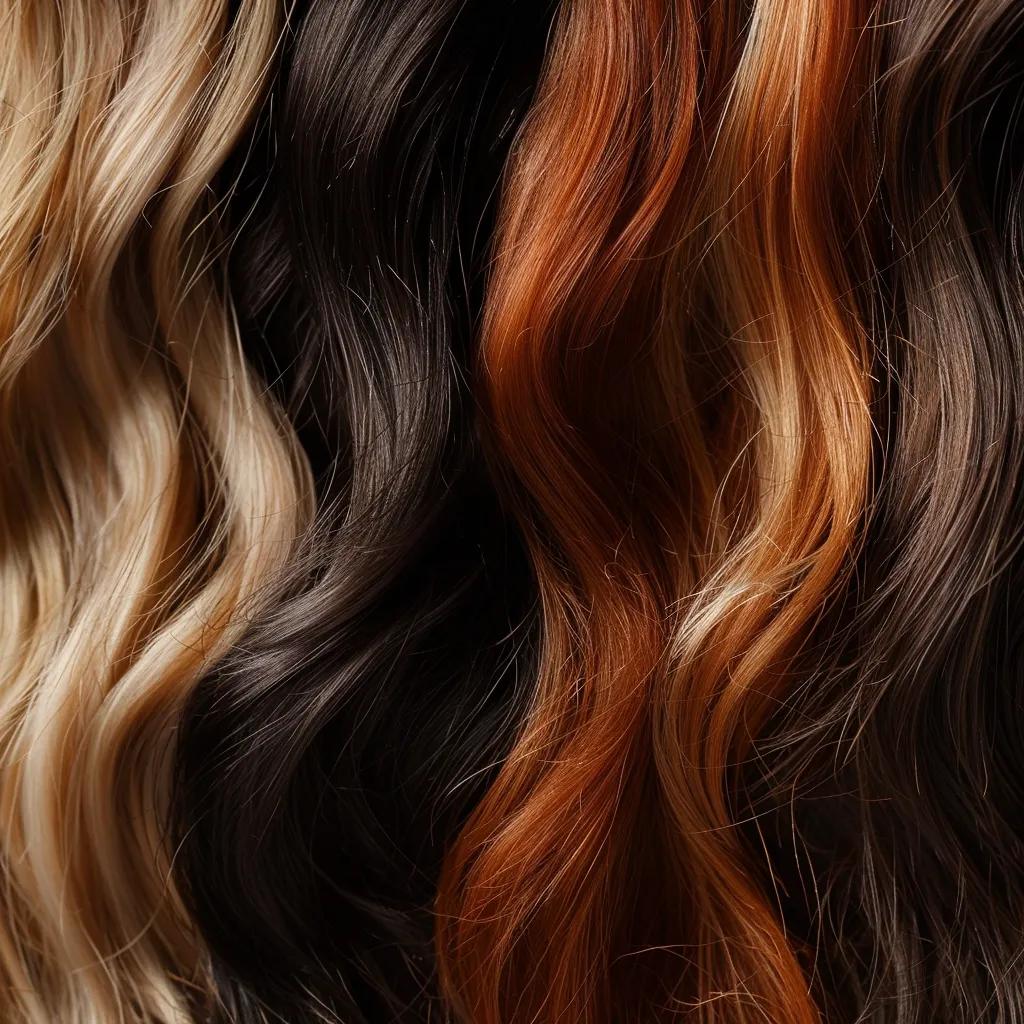
Texture matching ensures that extension curls, waves, or straight strands move in unison with natural hair. When textures align, separation lines vanish, and the overall silhouette appears fuller and more organic.
Texture Matching for Seamless Blending
Matching the texture of hair extensions to natural hair is essential for a seamless blend. Different hair textures, such as straight, wavy, curly, kinky, and coily, require specific extension types to avoid visual inconsistencies and maintain a natural look. Aligning the fiber pattern prevents breakage and ensures the overall silhouette appears fuller and more organic.
Below is a breakdown of common texture types:
- Straight – Sleek strands without wave offer polished integration when cut bluntly.
- Wavy – Soft S-pattern wefts mimic natural body wave and beachy movement.
- Curly – Defined ringlets require matching curl diameter for uniform bounce.
- Kinky – Tightly coiled patterns demand wefts with similar shrinkage and volume.
- Coily – Spiral textures blend best with wefts that hold shape when dry.
These texture categories set the stage for proper weft selection and styling.
Why Matching Extension Texture to Natural Hair Is Critical
Aligning fiber pattern prevents frictional breakage and visual inconsistency. For example, pairing a body wave weft with straight hair leads to unnatural layering and blend lines. Texture harmony maintains salon-fresh cohesion from root to tip, preserving both comfort and appearance. Texture alignment naturally progresses into how hand-sewn wefts adapt to diverse hair.
Adapting Hand-Sewn Wefts to Different Hair Textures
Hand-sewn weft extensions feature a thin, flat base that conforms to the scalp, enabling lightweight layering across hair types. Their flexible design accommodates natural movement in curly and coily hair without creating tension. This adaptability reduces slippage and supports breathability, essential for both fine and coarse textures. Flexibility paves the way for styling tips to optimize blend.
Styling Tips for Optimal Texture Blending
Use low-heat curling irons or cool air blasts to unify extension and natural strand patterns. When air-drying, apply curl-defining mousse evenly to encourage consistent clumping. Finally, gentle detangling with a wide-tooth comb preserves texture integrity across both extension and natural hair.
With color and texture aligned, discover why hand-sewn wefts represent the ultimate choice.
Why Hand-Sewn Weft Extensions Are the Premium Choice for Color and Texture Integration

Hand-sewn wefts excel by lying flat against the scalp, creating an almost undetectable installation that moves naturally with the head. Their fine stitching prevents bulk buildup and enables multiple layers of color blending without adding weight.
Enhancing Seamless Blending with the Flat Lie of Hand-Sewn Wefts
The flat base of hand-sewn wefts ensures each strand lies flush, eliminating gaps and visible tracks. This design supports a continuous hairline silhouette and allows stylists to place thinner wefts around the hairline for a feathered finish that looks and feels natural. A quality foundation heightens the importance of material selection.
The Importance of Remy Human Hair Quality for Longevity and Appearance
Remy human hair maintains intact cuticles aligned in one direction, minimizing tangling and preserving natural shine. High-grade Remy wefts resist matting, allow repeated styling, and hold color vibrancy longer than non-Remy alternatives, making them a strategic investment in lasting luxury. Beyond product attributes, expert consultation and care solidify success.
Expert Tips for Stylists and Clients for Color and Texture Success
Combining professional assessment with ongoing maintenance safeguards blend quality and extension lifespan.
Conducting Consultations to Assess Color and Texture Needs
Begin with a hair density, baseline color, and texture analysis under daylight. Discuss lifestyle factors such as preferred styling frequency and heat-tool use to recommend weft weights and textures. Document undertone findings and refer to a color ring to finalize shade selection before ordering.
Detailed consultation insights lead directly into aftercare rituals.
Aftercare Practices to Extend Color and Texture Longevity
Recommend sulfate-free, color-safe shampoo and conditioner to maintain hue. Advise gentle detangling from ends upward with a soft brush and regular conditioning masks to preserve fiber flexibility. Finally, always apply heat protectant before styling to prevent cuticle damage and color fading.
Addressing the Needs of Thinning Hair with Hand-Sewn Weft Extensions

Lightweight weft placement can restore volume and confidence for clients experiencing reduced density. Correct color and texture matching avoids overburdening fine strands while delivering natural fullness.
Why Lightweight Hand-Sewn Wefts Are Ideal for Fine or Thinning Hair
Their flat design distributes weight evenly across attachment points, reducing tension on fragile roots. Softer texture and narrower weft widths prevent pulling and scalp stress, while delivering a fuller appearance without compromising hair health.
Effective incorporation of extension flows into precise selection strategies for thinning hair.
Selecting Color and Texture for Thinning Hair Solutions
Choose wefts that match mid-length natural color to avoid highlighting sparse areas. Opt for body wave or loose curl textures that blend softly and reflect volume without clumping. Use finer wefts in the front hairline zone to create a feathered, undetectable transition that enhances root coverage.
Layered color and texture synergy in thinning hair solutions completes the framework for flawless hand-sewn weft integration.
Frequently Asked Questions
What are the benefits of using Remy human hair for extensions?
Remy human hair is considered the gold standard for hair extensions due to its intact cuticles, which are aligned in one direction. This alignment minimizes tangling and maintains the hair's natural shine. Additionally, high-quality Remy wefts resist matting and can withstand repeated styling, making them a durable choice. They also hold color vibrancy longer than non-Remy alternatives, ensuring that your extensions look fresh and vibrant over time. Investing in Remy hair extensions can significantly enhance the overall appearance and longevity of your hairstyle.
How can I maintain the color and texture of my hand-sewn weft extensions?
To maintain the color and texture of your hand-sewn weft extensions, use sulfate-free and color-safe shampoos and conditioners. These products help preserve the hue and prevent fading. Additionally, detangle your hair gently, starting from the ends and working your way up, using a soft brush. Regular conditioning masks can keep the fibers flexible and healthy. Always apply a heat protectant before using styling tools to prevent damage to both the extensions and your natural hair, ensuring a longer lifespan for your extensions.
Can hand-sewn weft extensions be styled like natural hair?
Yes, hand-sewn weft extensions can be styled just like natural hair. They are designed to blend seamlessly with your own hair, allowing for various styling options. You can use curling irons, straighteners, and other heat tools, but it's essential to use a heat protectant to prevent damage. Additionally, low-heat styling methods, such as air-drying with curl-defining products, can help maintain the integrity of both the extensions and your natural hair, ensuring a cohesive look.
What should I consider when choosing extensions for thinning hair?
When selecting extensions for thinning hair, it's crucial to choose lightweight wefts that won't overburden fine strands. Opt for textures that blend softly, such as body wave or loose curls, to create the illusion of volume without clumping. Additionally, match the mid-length color of the extensions to your natural hair to avoid highlighting sparse areas. Using finer wefts around the hairline can help create a feathered, undetectable transition, enhancing root coverage and overall appearance.
How often should I consult with a stylist about my extensions?
Regular consultations with your stylist are recommended to ensure your extensions remain in optimal condition. It's advisable to schedule a check-up every 6 to 8 weeks, or sooner if you notice any issues such as tangling or color fading. During these appointments, your stylist can assess the condition of both your natural hair and the extensions, recommend any necessary adjustments, and provide tailored aftercare advice to maintain the health and appearance of your extensions.
What are the signs that my extensions need to be replaced?
Signs that your extensions may need to be replaced include excessive tangling, noticeable matting, or a loss of shine and vibrancy. If the extensions no longer blend well with your natural hair or if you experience discomfort or pulling at the attachment points, it may be time for a replacement. Additionally, if the extensions have become damaged from heat or styling, they may not perform as well. Regular maintenance and consultations with your stylist can help you determine the right time for replacement.
Conclusion
Hand-sewn weft extensions provide a customized solution for achieving flawless color and texture integration, enhancing both volume and style. By understanding skin undertones and hair textures, stylists can create a seamless blend that looks natural and luxurious. Prioritizing high-quality Remy hair and expert consultation ensures lasting results and satisfaction. Discover our range of premium extensions and elevate your hair game today.