

Choosing the Best Hair Types for Weft Extensions Effectively

Choosing the right weft hair extensions starts with understanding your natural hair’s needs. Your hair’s texture, thickness, and porosity play a big role in how well extensions blend and how long they last. This guide breaks down the different types of weft extensions—human vs. synthetic, virgin vs. Remy—and explains which options work best for fine, thick, or curly. You'll also learn how installation methods like sew-ins or tape-ins affect the final look and longevity. Whether you're new to wefts or looking to refine your choice, this guide will help you make an informed decision.
Key Takeaways
- Human hair extensions (especially virgin and Remy) blend better and last longer than synthetic options.
- Fine or thin hair benefits from lightweight wefts like tape-in or hand-tied extensions.
- Thick or coarse hair can support heavier wefts, such as sew-in virgin hair.
- Curly and coily hair requires wefts that match natural curl patterns and hold moisture.
- Installation method matters—choose the one that suits your hair type and lifestyle.
- Proper care routines like gentle washing and moisture retention extend the life of your wefts.
Understanding the Hair Types Used in Weft Extensions

The quality and performance of weft extensions depend heavily on the type of hair used. Extensions typically fall into two main categories: human hair and synthetic hair. Human hair offers a more natural look and feel, while synthetic options are more affordable but come with limitations.
Human Hair vs. Synthetic Hair Wefts
Human hair extensions are prized for their natural movement, durability, and ability to be styled with heat tools. They blend seamlessly with natural hair and can be washed, curled, or colored—making them ideal for long-term wear. On the other hand, synthetic hair extensions are pre-styled and low-maintenance, but they lack versatility. They generally cannot be heat styled and tend to have a shorter lifespan, making them more suitable for temporary looks.
Virgin Hair vs. Remy Hair
Within human hair options, two subtypes are most common:
- Virgin hair is completely unprocessed and comes from a single donor. The hair cuticles are intact and aligned, resulting in a soft, shiny texture and long-lasting quality.
- Remy hair also has aligned cuticles but may undergo minimal processing such as gentle coloring. It offers an excellent balance between quality and affordability while still maintaining a natural appearance.
Common Human Hair Origins for Weft Extensions
The origin of human hair also plays a role in its texture, density, and overall performance:
- Brazilian hair is thick and full-bodied, making it ideal for voluminous styles and curls.
- Indian hair is soft, shiny, and naturally wavy, offering great flexibility for various styles.
- Slavic (often labeled as Eastern European) hair is finer in texture and blends well with naturally light or thin hair types.
Each origin suits different styling goals and natural hair textures, so it’s important to choose based on your hair’s density and desired outcome.
Choosing the Best Weft Extensions for Your Natural Hair Type

Selecting the right weft extensions begins with evaluating your hair’s density, texture, and porosity. These factors influence not only how well the extensions blend, but also how comfortable and long-lasting they will be. Lightweight wefts are better suited for fine or delicate hair, while denser wefts can complement thick or textured strands. Matching the extension type and installation method to your hair ensures a natural finish and reduces the risk of damage.
Best Weft Extensions for Fine or Thin Hair
If you have fine or thin hair, prioritize lightweight and low-tension extensions. Ideal options include:
- Tape-in extensions – Lay flat against the scalp and distribute weight evenly.
- Micro-link (I-tip) extensions – Attach strand-by-strand without glue or heat.
- Hand-tied wefts – Gentle on the roots and provide flexible styling.
Look for Remy human hair to ensure natural texture and movement. Avoid bulky or heavy wefts, which may stress the hair shaft or cause shedding over time.
Best Weft Extensions for Thick or Dense Hair
Thick or dense hair offers more support for heavier, full-volume wefts. Recommended choices include:
- Sew-in wefts – Ideal for supporting long, voluminous looks.
- Virgin human hair – Withstands frequent styling and blends seamlessly with textured hair.
These methods help evenly distribute the weight of the wefts while maximizing fullness without risking breakage.
Best Weft Extensions for Curly and Wavy Hair
Curly and wavy textures need extensions that match the curl pattern and retain moisture. The best options include:
- Pre-textured human hair wefts – Mimic natural curls or waves.
- Hand-tied extensions – Provide flexibility while minimizing bulk and frizz.
Choose extensions that blend seamlessly and can be maintained with hydrating and curl-enhancing products.
Matching Installation Methods to Hair Types
Choosing the right installation technique is just as important as selecting the hair type. Different hair textures respond differently to each method:
Sew-in Weft Extensions
Sew-in wefts are installed by braiding natural hair into cornrows and stitching the wefts onto the braids. Best for: Thick, coarse, or highly textured hair Pros: Very secure and long-lasting Cons: Too heavy for fine or fragile hair
Tape-in Weft Extensions
Tape-in wefts are bonded to natural hair with adhesive strips, lying flat against the scalp for a seamless finish. Best for: Medium to thick hair Pros: Quick to install and easy to blend Cons: Can slip or cause tension if not installed correctly
Hand-Tied Weft Extensions
Hand-tied wefts are sewn onto small, beaded sections of hair using invisible thread for a discreet, lightweight finish. Best for: Most hair types, especially fine or curly Pros: Gentle on the scalp and offers natural movement Cons: Requires professional installation for best results
How Should Weft Extensions Be Cared for Based on Hair Type?

Caring for your extensions depends on the type and installation method used. Daily washing and proper conditioning preserve shine, volume, and longevity while preventing damage.
What Are the Best Washing and Conditioning Practices for Weft Extensions?
Use sulfate-free shampoos and deep moisturizers when washing your extensions. Gently work from roots to ends with circular motions, avoiding excessive rubbing to protect the cuticle.
Which Products Are Recommended for Maintaining Virgin and Remy Hair Wefts?
Use high-quality, dermatologist-approved products such as keratin serums, leave-in conditioners, and heat protectants. Natural oils like argan or coconut can help maintain softness and shine.
How Can Damage to Weft Extensions Be Prevented Across Different Hair Types?
Prevent damage by reducing heat exposure, using protective hairstyles, and opting for silk or satin pillowcases. Deep-conditioning treatments also help keep the extensions in good condition.
How Do Hair Texture and Styling Influence the Choice of Weft Extensions?
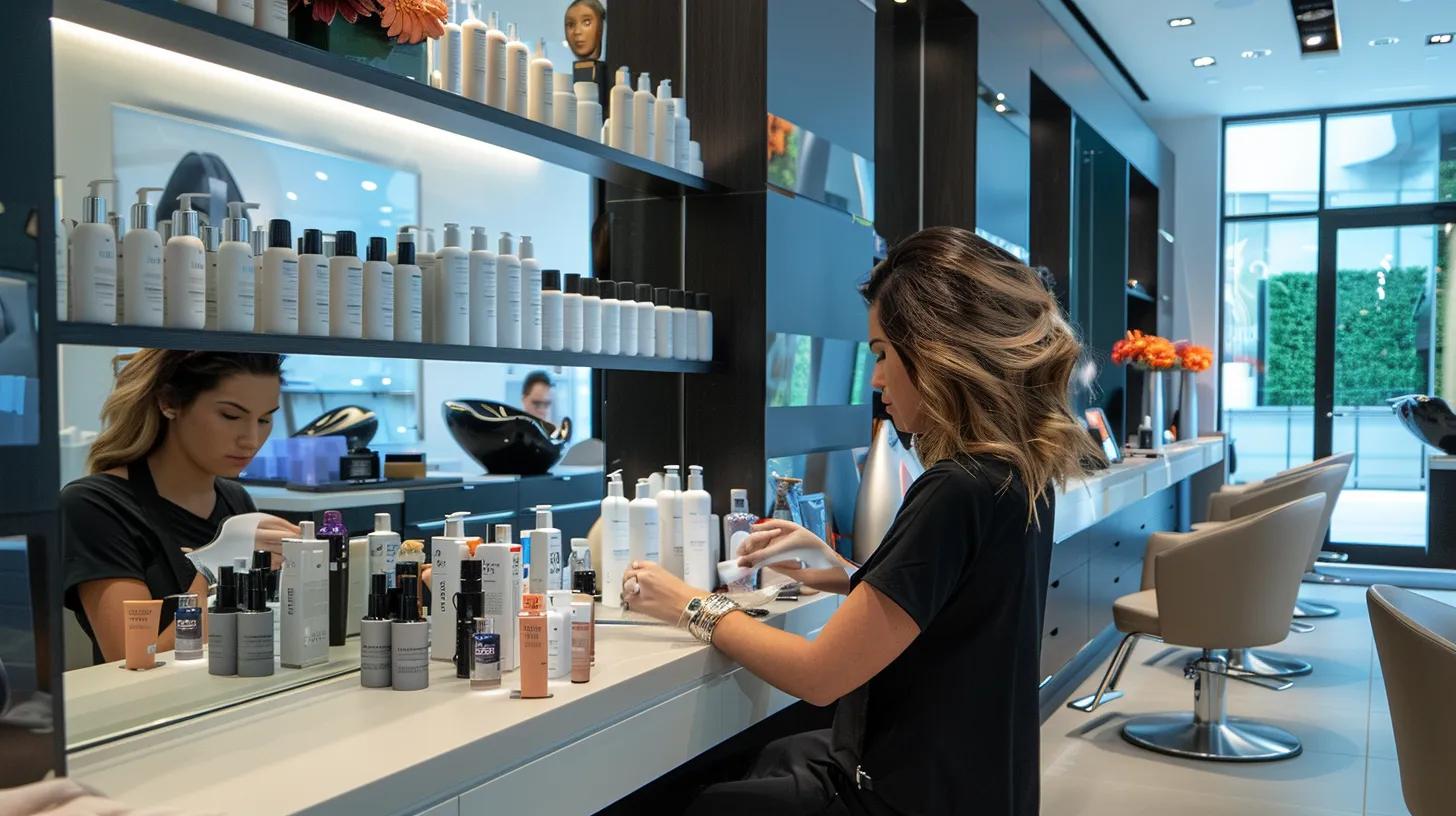
Hair texture determines the type of extensions and styling approach. Fine hair benefits from lighter options, while coarser textures can support heavier wefts. Matching the texture of your extensions with your natural hair ensures a smooth blend.
What Are the Best Weft Extensions for Styling Fine Hair?
For fine hair, select light options like tape-in or micro-link extensions that provide natural movement without weighing hair down. High-quality human Remy hair gives a seamless look.
How to Choose Weft Extensions That Complement Curly and Coily Hair?
For curly or coily hair, opt for hand-tied extensions that maintain natural moisture and curl pattern. Use products enriched with natural conditioners and curl enhancers for best results.
What Styling Tips Enhance the Appearance and Longevity of Weft Extensions?
Limit heat styling and use air-drying methods when possible. Gentle products, regular brushing with a soft brush, and protective hairstyles like ponytails or braids help extend the life of your extensions.
Brazilian vs. Peruvian Hair Wefts: Understanding the Differences
Platform Hair Extensions offers premium-quality wefts crafted from ethically sourced virgin and Remy human hair. Among the most popular textures in professional salons are Brazilian and Peruvian hair wefts, each selected for its unique characteristics, performance, and aesthetic appeal. Choosing between them depends on your natural hair type, preferred style, and lifestyle needs.
Texture and Styling Performance
- Brazilian hair is known for its dense, slightly coarse texture that blends well with naturally thick or wavy hair. It holds curls exceptionally well and maintains volume with minimal styling effort, making it perfect for bouncy, layered, or voluminous looks.
- Peruvian hair, by contrast, has a silky, smooth finish and a lighter density. It offers a sleek, polished appearance and works beautifully for blowouts, flat-ironed styles, and softly textured waves.
Both textures are available in Hand-Tied Wefts, Hand-Sewn Wefts, and Micro K-Tips at Platform Hair Extensions—ensuring premium quality and versatility across hair types.
Durability and Daily Wear
- Brazilian wefts are highly durable and well-suited for active clients who heat style frequently or wear their extensions for extended periods. Their strength and resilience make them a favorite for clients with thicker, more textured natural hair.
- Peruvian wefts, while soft and luxurious, require more delicate handling. They’re ideal for clients who prioritize a refined, natural look and practice gentle maintenance routines.
Style Match and Lifestyle Compatibility
- Choose Brazilian hair if you love bold, textured styles, fuller body, and versatility in curl definition. It’s a reliable choice for those with busy, hands-on lifestyles who need lasting structure.
- Opt for Peruvian hair if you prefer effortless elegance, light movement, and a silky finish. It's best for clients seeking a smooth, low-frizz look with minimal product use.
Investment and Longevity
Platform Hair Extensions maintains high quality across all origins, so pricing differences reflect sourcing and rarity, not performance. While Brazilian hair is typically more accessible due to greater availability, Peruvian hair may carry a premium because of its finer texture and sourcing complexity.
With proper care and professional installation, both textures can last:
- Virgin wefts: Up to 12–18 months
- Remy wefts: 8–12 months
- Regular deep conditioning and protective styling are key to preserving the cuticle and finish.
Key Attributes of Weft Extension Hair Types
| Hair Type | Key Attributes | Best For | Longevity (with care) |
|---|---|---|---|
| Virgin Human Hair | Unprocessed, full cuticle, high shine | Natural finish and long-term use | 12–18 months |
| Remy Human Hair | Aligned cuticle, light processing | Versatile styling, smooth blend | 8–12 months |
| Brazilian Hair | Dense, voluminous, textured feel | Curls, bold styles, everyday wear | Highly durable under frequent use |
| Peruvian Hair | Silky, lightweight, smooth | Sleek styles, soft waves, polish | Requires gentle care |
Frequently Asked Questions
What is the most natural-looking hair type for weft extensions?
Virgin human hair offers the most natural look. It’s unprocessed, has an intact cuticle, and mimics real hair in movement and texture.
How often should I wash my weft extensions?
Wash your extensions every 7–10 days using sulfate-free products to avoid product buildup and maintain moisture.
Are synthetic weft extensions good for daily wear?
Synthetic wefts are affordable and easy to style but aren’t ideal for everyday use. They lack the durability and heat styling flexibility of human hair.
Which installation method is the least damaging?
Hand-tied extensions are gentle on natural hair and ideal for fine or sensitive scalps. They create minimal tension while offering a natural look.
Can I heat style or dye my human hair extensions?
Yes, you can heat style and color high-quality virgin or Remy hair extensions—just use heat protectants and follow proper coloring protocols.
Conclusion
Finding the best weft extensions depends on matching the hair type, texture, and installation method to your natural hair. Whether you need lightweight tape-ins for fine strands or durable sew-ins for thicker textures, understanding your options helps you make the right choice. Always prioritize high-quality hair, choose a method that protects your natural strands, and follow a solid care routine. For the best results, consult a professional stylist who can guide you toward the ideal blend and long-lasting results.