

Choosing Hand-Sewn Extensions for Quality Over Other Methods

Hand-sewn extensions have become a popular choice for those seeking premium hair solutions. They are prized for their durability, natural appearance, and gentle application that minimizes damage. This article explains what hand-sewn extensions are, how they work, and compares them with tape-in, clip-in, fusion, and micro-link methods. Both professional stylists and individuals planning high-quality hair enhancements will find valuable insights and practical tips for maintaining healthy hair while enjoying long-lasting results.
Key Takeaways
- Hand-sewn extensions offer a natural look with a customizable fit while being gentle on natural hair.
- Their application uses specialized tools and techniques that ensure secure, long-lasting performance.
- Compared to other methods, they strike a balance between cost, longevity, and hair health.
- Proper maintenance and consultation with experienced stylists are essential for optimal results.
What Are Hand-Sewn Extensions and How Do They Work?
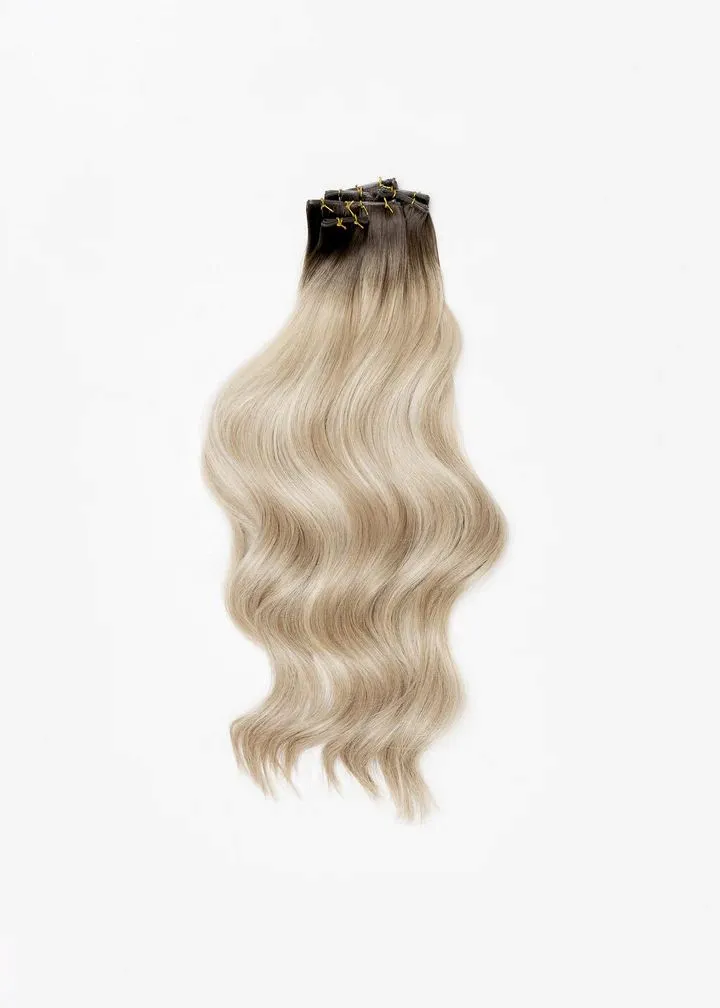
Hand-sewn extensions involve sewing hair wefts onto braided natural hair with a needle and thread. Without using adhesive, this method minimizes stress and damage to natural hair. The technique integrates small wefts into the natural hair framework, resulting in a seamless blend and natural movement. Skilled stylists use precision stitching to keep the extensions secure and undetectable, ensuring long-lasting wear.
What Materials and Tools Are Used in Hand-Sewn Extensions?
This process uses 100% human Remy hair, high-quality sewing thread, and specialized small needles. The hair is pre-processed to match natural textures and shades. Tools such as precision scissors, combs, and hair clips help manage hair sections during application—ensuring an attractive, durable finish.
How Is the Hand-Sewn Extension Application Process Performed?
The process starts by braiding the natural hair into neat cornrows. Next, the stylist stitches the hair wefts onto the braids with careful precision. The secure yet flexible stitching is tailored to each client’s head shape and hair density. Regular check-ups maintain the extensions’ fit and appearance.
What Makes Hand-Sewn Extensions Customizable and Natural-Looking?
Because the wefts are sewn in place, stylists can adjust placement, density, and color to match individual hair patterns. This customization ensures the extensions blend naturally with the wearer’s own hair, providing movement and depth while reducing stress on hair follicles.
How Do Hand-Sewn Extensions Compare to Tape-In, Clip-In, Fusion, and Micro-Link Methods?

Hand-sewn extensions provide a more secure, long-lasting solution compared to other methods. Tape-in and clip-in extensions are easier to use but offer temporary results, while fusion and micro-link methods may risk damage from heat or tight attachments. The sewing technique avoids adhesives and heat, reducing breakage and scalp stress, which makes hand-sewn extensions a preferred choice for many.
What Are the Key Differences in Application Methods?
- Hand-sewn: Wefts are sewn onto braided hair.
- Tape-in: Uses adhesive tape to attach wefts directly.
- Clip-in: Requires daily clipping and removal.
- Fusion: Bonds wefts with heat-activated keratin.
- Micro-link: Attaches with small beads or rings. The hand-sewn method provides secure attachment without excessive heat or chemicals.
How Does the Longevity of Hand-Sewn Extensions Compare to Other Methods?
Hand-sewn extensions typically last several months with proper care. Unlike temporary clip-ins or methods that may require frequent adjustments due to weakening bonds, the sewing technique maintains its integrity through regular maintenance, making it a cost-effective long-term option.
What Are the Cost Differences Between Hand-Sewn and Other Extension Types?
While the upfront cost for hand-sewn extensions may be higher than for temporary methods, they usually incur fewer ongoing maintenance expenses. Tape-in and clip-in methods need frequent reapplications, whereas fusion and micro-link methods may involve extra costs related to repairs from heat or chemical use. Hand-sewn extensions offer good long-term value due to their durability.
How Do Hand-Sewn Extensions Impact Hair Health Compared to Other Methods?
Hand-sewn extensions are designed to be gentle on natural hair. They avoid the use of adhesives and heat, reducing risks of breakage and scalp irritation. By distributing the weight evenly across braided sections, they help maintain healthier hair compared to some fusion or micro-link techniques that may create tension and damage hair over time.
How Does Maintenance and Aftercare Differ Among Extension Methods?
Maintenance for hand-sewn extensions involves gentle cleansing, careful brushing, and regular salon visits for adjustments. Unlike clip-ins that can be removed daily or fusion methods needing special products, hand-sewn extensions require routine professional check-ups. This consistency helps keep both the natural hair and the extensions in excellent condition, with reduced risk of chemical buildup.
What Does the Appearance and Natural Feel Comparison Reveal?
Hand-sewn extensions are praised for their natural blend and discreet enhancement. When applied expertly, they mimic the texture and movement of natural hair, unlike some tape-ins that may show visible seams or clip-ins that can appear bulky if not blended correctly.
What Are the Benefits of Choosing Hand-Sewn Extensions?

Hand-sewn extensions provide superior longevity, a natural appearance, and minimized risk of damage. They are custom-tailored to fit individual hair types and textures, assuring a seamless blend that enhances overall look while protecting natural hair. Their secure yet gentle application makes them a popular choice for those seeking long-term hair enhancements.
How Do Hand-Sewn Extensions Provide a Natural Look and Feel?
Precise stitching allows each weft to mimic the natural growth pattern, resulting in a fluid, authentic appearance. Customized matching of texture and color ensures that the extensions blend effortlessly with natural hair for an elegant, low-maintenance look.
Why Is Customization Important in Hand-Sewn Extensions?
The ability to adjust density, length, and volume ensures that the extensions enhance natural beauty without appearing overdone. This adaptability allows for changes over time as the client’s hair grows or as style preferences evolve.
How Do Hand-Sewn Extensions Support Healthier Natural Hair?
By evenly distributing extra weight and avoiding harsh chemicals, this method minimizes stress on individual hair strands. The reduced use of heat and adhesives lowers the risk of irritation, making hand-sewn extensions a healthier choice for long-term enhancement.
What Role Does Stylist Expertise Play in Hand-Sewn Extension Quality?
Experienced stylists ensure proper sectioning, braiding, and stitching for secure and natural results. Their expert guidance during application and aftercare optimizes both the look and health of the hair, contributing to greater longevity and client satisfaction.
Are Hand-Sewn Extensions Damaging? How to Maintain Healthy Hair With Extensions

When installed correctly by a skilled professional, hand-sewn extensions are among the least damaging options. They minimize stress on natural hair by spreading weight evenly and avoiding chemicals or excessive heat. However, like any extension, improper application or lack of maintenance can lead to issues. Regular aftercare is crucial to avoid breakage and keep both natural and extension hair healthy.
What Are Common Hair Damage Concerns With Extensions?
Concerns include traction alopecia, breakage, and scalp irritation, especially if extensions are heavy or applied with too much tension. Proper technique and routine care are essential to prevent these problems.
How Do Hand-Sewn Extensions Minimize Damage Compared to Other Methods?
By eliminating the need for adhesives and heat, and through even weight distribution via precise stitching, hand-sewn extensions reduce the risk of damage. Their installation method allows for natural movement, resulting in less friction and stress on the hair.
What Are the Best Hair Types for Hand-Sewn Extensions?
This method works best for medium to thick hair that can support braiding. Clients with naturally wavy or curly hair tend to achieve the most seamless blend, though professionals can adjust the technique for finer hair as needed.
What Hair Care Tips Help Maintain Healthy Hair With Hand-Sewn Extensions?
Key tips include using sulfate-free shampoos, gentle detangling, deep conditioning, and minimal heat styling. Routine salon visits for adjustments help prevent build-up and ensure both extensions and natural hair remain vibrant.
How to Choose and Consult With a Hand-Sewn Extension Stylist

Selecting the right stylist is vital for successful hand-sewn extensions. A reputable stylist will assess your hair type, recommend the best extension strategy, and apply the extensions flawlessly. During the consultation, expect clear guidance on maintenance and aftercare for long-lasting results.
What Should You Look for in a Hand-Sewn Extension Stylist?
Look for proven experience, positive testimonials, certification in premium techniques, and a portfolio of before-and-after images. Strong communication and personalized care are indicators of a stylist who can meet your hair and aesthetic needs.
What Questions Should You Ask During a Hand-Sewn Extension Consultation?
Ask about the stylist’s experience with hand-sewn techniques, the materials used, the process for matching shades and textures, and the recommended maintenance schedule. Inquire regarding aftercare products and strategies to reduce potential damage.
How Does a Consultation Help Customize Your Hand-Sewn Extensions?
A detailed consultation allows the stylist to understand your hair’s texture, density, and lifestyle, leading to tailored recommendations. This personalization ensures the extensions complement your natural hair while meeting your specific style goals.
How Much Do Hand-Sewn Extensions Cost Compared to Other Methods?

Cost is a significant factor when deciding on hair extensions. While hand-sewn extensions may require a higher initial investment, their durability and reduced need for maintenance often justify the cost compared to temporary methods like tape-ins or clip-ins.
What Factors Influence the Cost of Hand-Sewn Extensions?
Factors include the quality of human Remy hair, stylist expertise, the amount of hair required, and additional consultation or maintenance sessions. Salon location and reputation also influence pricing.
How Do Hand-Sewn Extension Prices Compare to Tape-In, Clip-In, Fusion, and Micro-Link?
Temporary methods may appear less expensive initially but can cost more over time due to frequent reapplications or repairs. Hand-sewn extensions, with their secure and long-lasting installation, offer a cost-effective alternative in the long run.
Are Hand-Sewn Extensions a Cost-Effective Choice Long-Term?
Yes, despite the higher upfront cost, their long lifespan and minimal maintenance generally result in better overall value. Clients often experience improved hair health and fewer touch-ups, making them a worthwhile investment.
Where Can You Find Quality Hand-Sewn Extension Services Near You?
Quality hand-sewn extension services are available at reputable salons and styling academies specializing in premium hair techniques. Local directories and professional stylist networks, along with credible online reviews, are good starting points for finding expert installation and ongoing support.
How to Find Reputable Salons Offering Hand-Sewn Extensions?
Look for salons with positive testimonials, before-and-after galleries, and certified stylists experienced in hand-sewn methods. Trusted recommendations from professionals or friends can also guide your choice.
What Should You Expect From a Professional Hand-Sewn Extension Service?
A professional service includes a detailed consultation, precise application, and clear aftercare instructions. Expect premium human Remy hair, expert application without causing tension, and follow-up services to maintain hair health.
Final Thoughts
Hand-sewn extensions offer a natural, durable enhancement with minimal damage to your natural hair. Their secure installation, customization, and long-lasting results make them an excellent option compared to other extension methods. With proper care and professional guidance, clients can enjoy a seamless blend, improved hair health, and enduring style flexibility.
Frequently Asked Questions
How long do hand-sewn extensions typically last?
With proper care and maintenance, hand-sewn extensions can last several months. They often outlast temporary methods like clip-ins or tape-ins due to their secure, professional installation.
Are hand-sewn extensions suitable for all hair types?
They are most effective on medium to thick hair textures. However, skilled stylists can tailor the technique to suit finer hair types with adjustments in placement and density.
Can hand-sewn extensions be reinstalled?
Yes. A professional stylist can safely remove and reinstall hand-sewn extensions for touch-ups, repositioning, or continued use, depending on the integrity of the wefts.
What maintenance is required for hand-sewn extensions?
To ensure longevity, follow a routine that includes regular washing with gentle, sulfate-free products, minimizing heat styling, and scheduling periodic salon visits for tightening or repositioning.
How do hand-sewn extensions minimize hair damage?
These extensions avoid adhesives and heat, distributing weight more evenly across the scalp. This reduces stress on natural strands and helps lower the risk of breakage or thinning.