

Are Hand-Sewn Weft Extensions Right for Every Hair Type?

Hand-sewn weft extensions deliver natural volume and seamless blend by hand-stitching strands onto a flexible band, answering the core question: can this method work on every hair type and texture? This guide maps out the artisan craftsmanship behind hand-sewn wefts, suitability from fine to coarse and curly hair, universal benefits like comfort and longevity, key installation and care tips, the role of Remy hair quality, and clear answers to the most common concerns. Professional stylists and women exploring salon-grade enhancements will find actionable insights to decide if hand-sewn weft extensions are the right choice.
Key Takeaways
- Hand-sewn weft extensions work for all hair types, including fine, thick, curly, and wavy textures.
- They offer a natural look, lie flat against the scalp, and are comfortable to wear daily.
- With proper care and regular salon visits, hand-sewn wefts can last up to 12 months.
- Professional installation is important to prevent damage and ensure a seamless blend.
- Using sulfate-free products and gentle brushing helps maintain extension quality.
- Avoiding common mistakes—like skipping move-ups or using heavy oils—keeps your hair and extensions healthy.
Are Hand-Sewn Weft Extensions Suitable for All Hair Types?

Absolutely. Hand-sewn weft extensions are designed to work with a wide range of hair types and textures. Their lightweight construction and customizable weft sizes allow stylists to tailor each installation to the client’s natural hair density, minimizing tension and ensuring a seamless, natural look.
For Fine or Thin Hair
Clients with fine or thinning hair benefit from the lightweight nature of hand-sewn wefts. Narrow, finely stitched wefts reduce strain on delicate strands, preventing breakage while adding fullness. Stylists often place smaller wefts closer to the hairline for natural-looking volume without bulk or visibility.
For Medium Hair
Medium-density hair gains both volume and styling flexibility. Hand-sewn wefts blend easily at mid-lengths, enhancing body and allowing for layered cuts, braids, and updos. Even weight distribution ensures the extensions lie flat and move naturally, without revealing tracks.
For Thick or Coarse Hair
Thicker hair types can enjoy added length and controlled layering using wider wefts that match the natural density. The reinforced stitching supports the weight of coarse strands while maintaining a smooth, tangle-free finish. These wefts integrate seamlessly, providing fullness without overpowering the natural hair texture.
For Curly and Wavy Hair
Curly and wavy textures require careful matching for a flawless blend. Stylists can choose from pre-textured wefts or curl the extensions to mirror the client’s pattern. Matching both curl size and strand thickness ensures consistent definition and helps the wefts blend invisibly into natural curls or waves.
What Are the Universal Benefits of Hand-Sewn Weft Extensions for Every Hair Texture?

Hand-sewn weft extensions offer a combination of natural appearance, comfort, longevity, and styling flexibility, making them a dependable choice for all hair types and textures.
- Natural Look: The flat, hand-stitched design ensures a seamless blend with no visible tracks.
- Comfort: Lightweight construction minimizes tension on the scalp, helping to prevent irritation or headaches.
- Durability: With proper care, high-quality wefts can last up to 12 months without shedding or matting.
- Styling Versatility: Whether you prefer sleek ponytails, beachy waves, or voluminous layers, hand-sewn wefts adapt effortlessly to your styling needs.
How Do Hand-Sewn Wefts Deliver a Natural and Comfortable Fit?
These extensions are manually stitched to lie flat against the scalp, creating a close fit that eliminates bulk and track visibility. This design not only allows natural hair to move freely but also prevents pulling or snagging, ensuring everyday comfort.
What Contributes to Their Long-Lasting Durability?
Hand-sewn wefts are typically double-stitched for added strength and crafted from high-grade human hair, such as Remy hair. They maintain their shine, softness, and structural integrity for months with a routine care routine—including gentle brushing, sulfate-free shampoos, and air or low-heat drying.
How Do They Support Styling Versatility Across Hair Types?
Hand-sewn extensions blend flawlessly with your natural hair thanks to customizable weft widths and precision color matching. They respond well to heat tools and styling products, allowing you to transition between straight, curled, or updos styles without compromising the natural look or feel.
Common Mistakes to Avoid with Hand-Sewn Weft Extensions

While hand-sewn weft extensions offer versatility and longevity, improper care or installation can shorten their lifespan and compromise your natural hair health. Avoid these common pitfalls to get the best results:
1. Skipping Professional Installation
DIY or uncertified application can lead to uneven tension, poor placement, and long-term scalp stress. Always choose a stylist with training in hand-sewn or hand-tied techniques to ensure proper sectioning, stitching, and density matching.
2. Going Too Long Between Move-Up Appointments
As your natural hair grows, the wefts shift downward. Waiting too long (beyond 8 weeks) between adjustments increases the risk of matting, tangling, and tension on new growth—especially near the scalp.
3. Brushing or Washing Incorrectly
Rough brushing, especially near the weft line, can loosen stitches and damage both the extension and your natural hair. Always use a looped-end or extension-safe brush and avoid aggressive scrubbing at the roots during washing.
4. Applying Heavy or Oil-Based Products at the Roots
Oils, serums, or creamy conditioners applied directly to the scalp can cause the thread or beads securing the weft to slip. Keep moisturizing products focused from mid-lengths to ends only.
5. Sleeping with Wet or Loose Hair
Sleeping on damp extensions or without braiding or securing them can lead to overnight tangling and friction damage. Always dry your hair fully and tie it in a loose braid or ponytail before bed—ideally on a silk or satin pillowcase.
6. Overstyling Without Heat Protection
Heat tools can break down the hair fibers over time, especially with frequent use. Always apply a salon-grade heat protectant before using a flat iron, curling wand, or blow dryer to maintain softness and shine.
What Should You Know About Installing and Maintaining Hand-Sewn Weft Extensions?

To get the most from hand-sewn weft extensions, professional installation and consistent maintenance are key. A skilled application ensures a secure, comfortable fit, while proper at-home care preserves the weft’s appearance and longevity.
Why Is Professional Installation Essential?
Hand-sewn wefts should always be installed by a certified stylist trained in extension techniques. A professional will:
- Use precise sectioning to match natural hair density.
- Control tension to avoid putting stress on the scalp or follicles.
- Secure the wefts evenly, preventing slippage or uneven weight distribution.
This expert placement helps protect your natural hair and ensures a seamless, long-lasting result.
How Do You Maintain Hand-Sewn Wefts at Home?
Daily and weekly maintenance routines play a crucial role in keeping extensions looking their best. Follow these best practices:
- Brush gently using a looped-end extension brush to avoid tugging at the wefts.
- Clean with care: Use a mild, sulfate-free shampoo, and apply conditioner from mid-length to ends only.
- Dry safely: Allow hair to air-dry when possible or use a low-heat setting to preserve the integrity of the stitching.
Regular upkeep prevents tangling, maintains softness, and protects the bond between the weft and your natural hair.
When Should You Schedule Move-Ups or Reinstallations?
As your natural hair grows, extensions need to be repositioned to maintain a secure and natural fit.
- Move-up appointments: Recommended every 6–8 weeks to adjust the wefts closer to the scalp.
- Reinstallations: Depending on hair health and wear patterns, full reinstallations can typically occur every 6–12 months.
Staying on schedule with your stylist helps prevent stress on your natural hair and keeps the extensions in top condition.
Is Remy Hair Quality Essential for Hand-Sewn Weft Extensions?
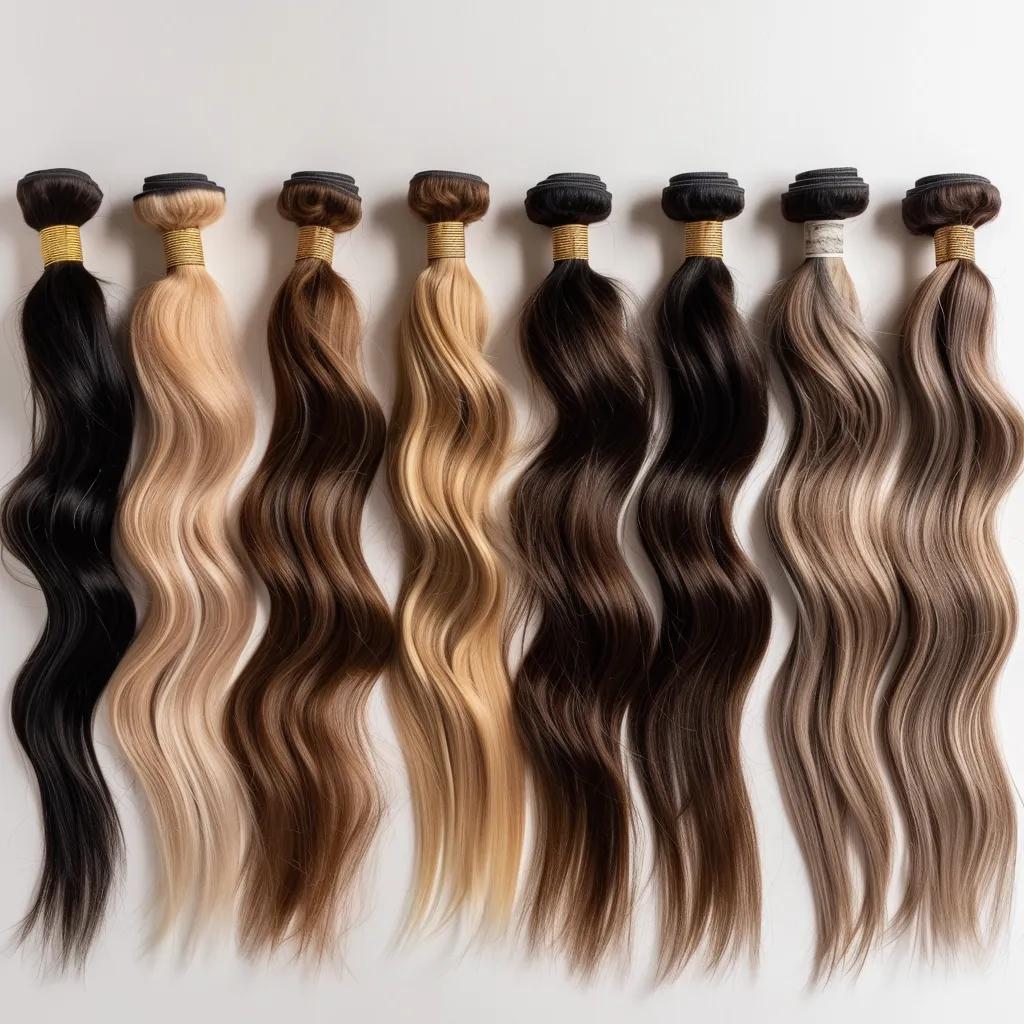
Remy hair, with intact cuticles aligned in the same direction, ensures tangle resistance and a natural sheen that matches real hair movements.
Remy Hair Quality and Benefits
Remy hair, with its cuticles aligned in the same direction, is crucial for hand-sewn weft extensions. This alignment prevents tangling and matting, extending the lifespan of the extensions and maintaining a natural sheen. The quality of the hair directly impacts the overall appearance and durability of the extensions.
What Is Remy Hair and Why Does It Matter for Extensions?
Remy hair is collected so that cuticle layers remain uncut, preserving elasticity and smoothness. This quality reduces matting and extends the lifespan of the wefts.
How Does Remy Hair Improve the Appearance and Durability of Hand-Sewn Wefts?
Aligned cuticles minimize friction between strands, preventing tangles and breakage. As a result, color-treated wefts retain vibrancy and texture over repeated styling sessions.
Are There Alternatives to Remy Hair in Hand-Sewn Wefts?
While non-Remy human hair or mixed-grade blends can lower costs, these options often shed more, tangle easily, and lack the natural luster and longevity that Remy hair provides.
Frequently Asked Questions About Hand-Sewn Weft Extensions
Are Hand-Sewn Weft Extensions Suitable for All Hair Types and Textures?
Yes. Hand-sewn wefts can be customized to suit fine, medium, thick, curly, straight, or wavy hair. Their lightweight design and adjustable weft widths allow seamless blending without stressing the scalp or natural strands.
How Long Do Hand-Sewn Weft Extensions Last?
Hand-sewn weft extensions typically last 6 to 12 months with professional installation and proper maintenance. Move-up appointments are recommended every 6–8 weeks as your natural hair grows to keep them securely in place.
Can Hand-Sewn Wefts Damage Natural Hair?
Hand-sewn wefts are among the safest extension options when installed and removed by a certified stylist using tension-controlled techniques. They distribute weight evenly across the scalp and avoid using glue or harsh adhesives, helping preserve the integrity of your natural hair.
How Much Do Hand-Sewn Weft Extensions Cost?
Pricing varies based on hair quality, length, and the number of wefts used. On average, clients can expect a mid- to high-end salon investment. Based on your desired volume, length, and texture, a custom quote is typically provided during a consultation.
How Are Hand-Sewn Weft Extensions Installed?
A professional stylist sections the natural hair and hand-sews the wefts onto a braid or beaded foundation using specialized thread and a curved needle. This technique ensures the extensions sit close to the scalp, offering a secure, natural fit with minimal tension.
How Are Hand-Sewn Wefts Removed?
Stylists remove them by carefully snipping the thread loops or dissolving the stitch using a removal solution. After detaching the wefts, the natural hair is gently detangled and cleansed to remove any buildup, ensuring your strands remain healthy.
How Do I Choose the Right Color for My Extensions?
Color-matching is best done in a salon, where stylists can match your natural hair's tone and undertone. You may choose a perfect match or add subtle contrast for dimension. Consider your hair's natural highlights and lowlights for the most seamless blend.
Can I Dye or Heat-Style My Hand-Sewn Weft Extensions?
Yes, if you're using Remy human hair. These wefts can be dyed and heat-styled, but it's essential to use heat protectants and salon-grade color products. Always test on a small section before applying any color to the full weft.
What Are the Signs I Need to Replace My Extensions?
Common signs include excessive tangling, shedding, dryness, or loss of natural sheen. If the extensions begin to feel heavy, or no longer blend well, it may be time for a replacement. Your stylist can assess this during a regular maintenance visit.
How Should I Care for My Extensions at Home?
- Use a sulfate-free shampoo and hydrate mid-lengths to ends.
- Gently brush with a looped-end brush to avoid pulling.
- Limit heat exposure and always use a heat protectant.
- Allow hair to air dry when possible or use low heat.
Are There Specific Products Recommended?
Yes. Choose lightweight, alcohol-free styling products and hydrating serums that are safe for human hair. Leave-in conditioners and extension-safe oils can help preserve softness and shine. Your stylist can recommend products suited to your hair type and lifestyle.