

A Clear Look at Natural vs Synthetic Weft Hair Options

Hair extensions have become a staple for anyone looking to boost volume, length, or style versatility. Among the most popular types are weft extensions, which are sewn or bonded into natural hair. But one key decision remains—should you choose natural or synthetic weft hair?
This blog breaks down the differences between the two. We’ll compare texture, durability, styling flexibility, cost, and upkeep to help you decide which option works best for your lifestyle and budget.
Key Takeaways
- Natural weft hair is made from 100% human hair and offers the most realistic look and long-lasting results.
- Synthetic weft hair is more affordable and easier to maintain, but has limited styling flexibility.
- Natural hair can be heat-styled, dyed, and reused, while synthetic hair usually cannot handle high heat or color treatments.
- Synthetic weft hair is ideal for short-term or budget-friendly styling, especially for beginners.
- Both types require care, but natural hair needs more moisture, protection, and regular maintenance.
- Choose based on your goals—go with natural for long-term, versatile looks, and synthetic for low-effort, occasional changes.
What Is Natural Weft Hair and What Types Are Available?
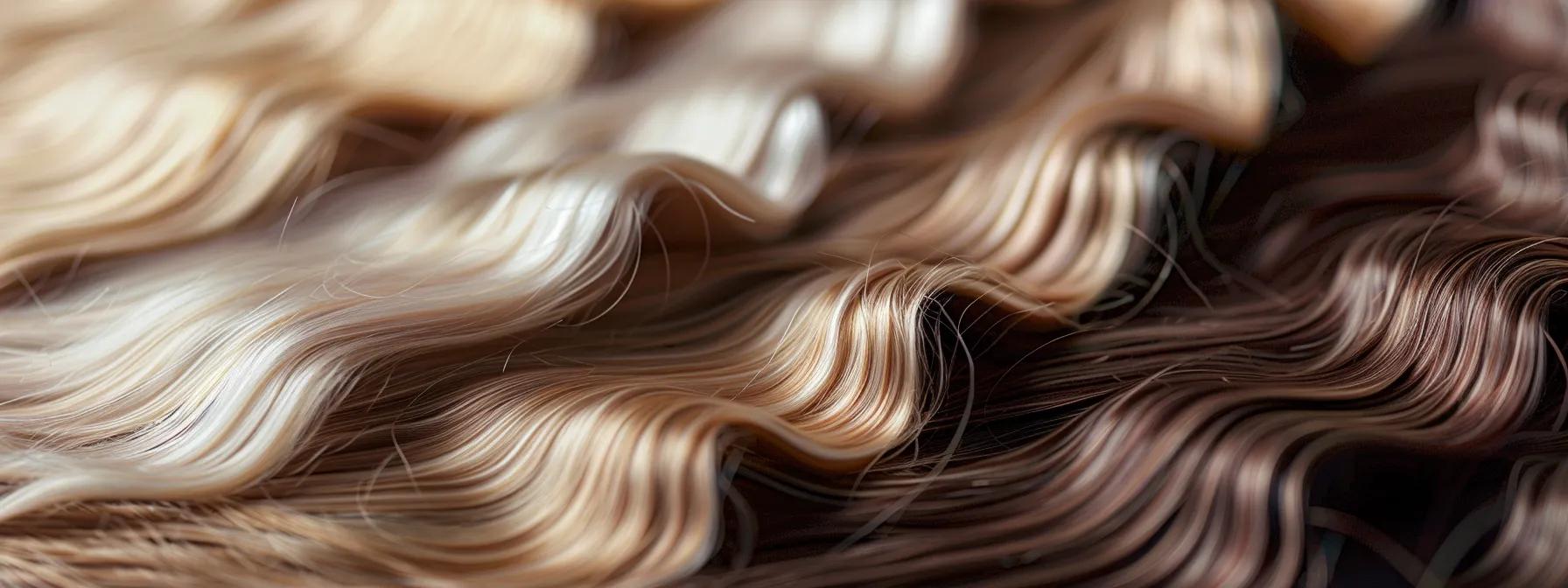
Natural weft hair refers to extensions crafted from real human hair, sewn into a continuous track or “weft.” Known for its smooth texture, natural movement, and ability to mimic the look and feel of one’s own hair, this type of extension is highly favored by professionals. Premium natural wefts are made from 100% Remy human hair, where each strand is aligned in the same direction to reduce tangling and enhance longevity.
Advanced weft designs, like the flat-seam construction seen in professional-grade products, offer minimal bulk and maximum comfort. These extensions are ideal for creating a seamless, natural finish that integrates effortlessly into your existing hair.
Types of Natural Weft Hair: Texture and Quality Options
Rather than focusing solely on origin-based labels (e.g., Brazilian or Peruvian), modern wefts are categorized by texture, density, and processing method. Here are the most common types:
- Remy Hair: The highest quality standard, with all cuticles aligned in the same direction. It offers a smooth texture, longer lifespan, and reduced matting.
- Virgin Hair: Unprocessed hair that has never been chemically treated. It can be dyed, heat-styled, or retextured with minimal risk of damage.
- Machine-Tied or Hand-Sewn Wefts: These vary by construction. Hand-sewn options are lighter and more flexible, ideal for clients seeking maximum comfort and a discreet finish.
What Are the Pros and Cons of Natural Weft Hair?
Natural weft hair gives a realistic look with the ability to be heat styled or colored, making it versatile. However, it is more expensive and demands meticulous maintenance to prevent tangling, dryness, and breakage. Salon professionals must invest time in regular cleansing, moisturizing, and heat protection.
How to Care for Natural Weft Hair
To keep natural wefts soft, glossy, and tangle-free, follow these care tips:
- Use sulfate-free shampoos and nourishing conditioners
- Detangle gently using a wide-tooth comb, starting from the ends
- Apply leave-in conditioner or lightweight oils to prevent dryness
- Avoid frequent high-heat styling and always use a heat protectant
- Schedule regular trims to maintain hair health
Flat-seam or hand-sewn wefts in particular benefit from careful detangling and moisture balance to preserve their longevity.
Styling Options for Natural Weft Hair
Natural weft hair offers full styling freedom:
- Curl, straighten, or wave the hair using professional-grade tools
- Blend with your natural hair to create sleek ponytails, braids, or updos
- Maintain a polished look with heat protectants and smoothing serums
Because high-quality wefts hold their style well and react naturally to heat, they’re ideal for clients who change their look frequently or need dependable day-to-night versatility.
What Is Synthetic Weft Hair and What Varieties Exist?

Synthetic weft hair is made from engineered fibers designed to look and behave like natural hair. These fibers are created using heat-friendly polymers or acrylic materials, and many are pre-styled to hold shape with minimal upkeep. Synthetic wefts are popular for their budget-friendly pricing, consistency in appearance, and ease of use—especially for wearers who want a ready-to-wear solution with minimal maintenance.
Advancements in fiber technology now allow for a variety of textures, finishes, and even heat-resistant options that better mimic the look and movement of real human hair.
What Are Common Types of Synthetic Weft Hair? (Kanekalon, Yaki, Heat-Resistant Fibers)
Synthetic wefts vary based on the material used and their ability to withstand heat or manipulation. Common varieties include:
- Kanekalon Fibers: Lightweight, soft, and pre-styled. Known for a natural appearance and used frequently in braids and wefted extensions.
- Yaki Texture: Designed to replicate the relaxed texture of Afro-textured hair. Offers body, density, and a realistic, non-shiny finish.
- Heat-Resistant Synthetic Fibers: These advanced fibers can handle low-temperature tools, allowing for limited heat styling like curling or straightening.
Each type is designed with specific use cases in mind—some ideal for quick styling, others for durability or textured looks.
What Are the Advantages and Disadvantages of Synthetic Weft Hair?
Synthetic options have lower cost and minimal maintenance requirements with strong resistance to frizz. However, they cannot be permanently dyed or heavily heat styled. Their lifespan is shorter than natural hair, and over time they may lose some of their realistic appearance.
How Should You Care for Synthetic Weft Hair?
Use cleansers formulated for synthetic fibers and avoid alcohol-based products that can cause dryness. Gently wash the fibers and let them air dry to maintain texture and reduce breakage. Minimal use of styling products is advised to keep the preset shape intact.
What Styling Options Are Best for Synthetic Weft Hair?
Styling synthetic weft hair is best done with no-heat methods. Use setting lotions, gentle brushing, dry shampoo, and texturizing sprays to refresh the look. For heat-resistant fibers, limited low-temperature curling or straightening is acceptable, provided you work within the fiber’s limitations.
How Do Natural and Synthetic Weft Hair Compare?

Choosing between natural and synthetic weft hair comes down to your budget, styling habits, and how long you plan to wear the extensions. While both types have their place in the world of hair enhancements, they serve different needs based on durability, appearance, maintenance, and overall value.
Cost and Budget Considerations
Natural weft hair is a higher upfront investment due to its premium quality, longer lifespan, and greater versatility. It’s ideal for those who frequently style their hair or want a long-term solution with a natural finish.
Synthetic weft hair, on the other hand, offers a more budget-friendly option. It’s great for quick transformations, short-term wear, or occasional styling needs. Those who enjoy experimenting with different looks without a long-term commitment often find synthetic extensions more cost-effective.
Durability and Longevity
- Natural weft hair can last anywhere from 9 to 12 months with proper care. Its longevity makes it a smart investment for everyday wear or clients who want consistency in their look.
- Synthetic weft hair generally lasts 1 to 3 months, depending on the fiber quality and frequency of use. While it won’t endure as long as human hair, it’s ideal for seasonal changes or temporary style goals.
Durability is a major factor when deciding which type is better suited to your lifestyle—natural hair holds up under daily use, while synthetic hair is better for occasional wear.
Appearance and Texture Differences
Natural weft hair mimics real hair in movement, shine, and softness. It blends seamlessly with your own hair, especially when cuticles are aligned (as with Remy hair). You can color, curl, or straighten it for a truly customized finish.
Synthetic weft hair has come a long way in terms of realism, but it still may fall short in terms of movement and texture. Some fibers can appear too shiny or feel stiffer than human hair. However, newer heat-friendly synthetics can offer a surprisingly close match—just with less styling flexibility.
Maintenance and Styling Needs
- Natural hair extensions require more upkeep. Regular deep conditioning, gentle detangling, and the use of heat protectants are essential to maintain shine and prevent damage. Styling freedom comes with a higher maintenance routine.
- Synthetic hair extensions are easier to maintain. Most come pre-styled, don’t need regular conditioning, and resist frizz well. However, they can’t be colored and have limited heat tolerance unless specifically labeled as heat-resistant.
In short, natural hair gives you control and versatility, while synthetic hair gives you ease and convenience.
How to Choose the Right Weft Hair for Your Needs

Selecting the right type of weft hair depends on more than just appearance—it’s about how the hair fits into your routine, your budget, and your styling preferences. Whether you’re investing in long-term extensions or looking for a short-term change, understanding the core differences between natural and synthetic options will guide your decision.
Key Factors to Consider When Choosing Weft Hair
Before making your selection, evaluate these core factors:
- Budget: Are you looking for a premium, long-lasting solution or something more affordable for occasional use?
- Longevity: Do you want hair that lasts up to a year with proper care, or something temporary for a specific event or look?
- Styling Needs: Do you regularly heat-style, color, or change your hair’s texture? Or do you prefer a consistent, low-maintenance look?
- Care Commitment: Natural wefts require regular conditioning and protection, while synthetic wefts are easier to manage but offer less flexibility.
- Lifestyle: Active clients or those with minimal styling time may benefit from the simplicity of synthetic options, while stylists and long-term users often prefer the versatility of natural wefts.
These factors help align your hair extension choice with your daily habits and personal expectations.
Best Weft Hair Options for Beginners
If you’re new to hair extensions, synthetic weft hair is often the easiest place to start. It’s cost-effective, comes pre-styled, and doesn’t require an elaborate care routine. It’s a great way to explore different styles without the investment required for human hair.
However, for beginners who want a natural texture and plan to wear extensions regularly, starting with a small set of natural wefts can offer more realistic results and long-term value. Many stylists recommend gradually upgrading to higher-quality natural hair as you gain experience with installation and care.
How Personal Preferences Shape Your Choice
Your preferred color, texture, and styling habits will directly influence which weft hair works best for you:
- If you enjoy experimenting with heat tools, color treatments, and restyling your hair often, natural weft hair offers the versatility to match.
- If you prefer a consistent, ready-to-wear look that requires little day-to-day upkeep, synthetic weft hair is a reliable, time-saving option.
Ultimately, the best weft hair is the one that complements your routine, aligns with your goals, and helps you feel confident—whether it’s for a night out or everyday wear.
What Are the Best Weft Hair Brands and Where Can You Buy Them?
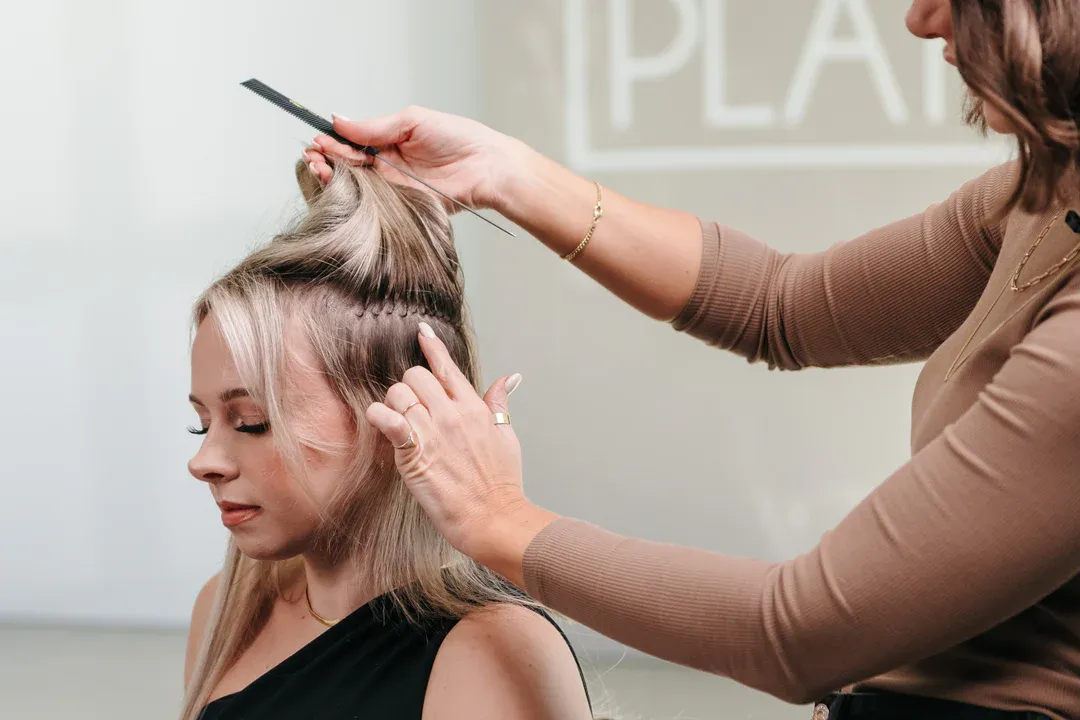
When it comes to choosing the right weft hair extensions, brand reputation plays a critical role. The best brands provide not only quality materials but also transparent sourcing, detailed care instructions, and support for both clients and professional stylists.
Whether you're looking for longevity, versatility, or convenience, choosing from a reputable brand ensures you get consistent texture, color match, and performance.
Which Brands Offer High-Quality Natural Weft Hair?
Top-tier natural weft hair is made from 100% human Remy hair, where all cuticles are aligned in the same direction to reduce tangling and preserve softness. These extensions are known for their durability, natural movement, and ability to be styled, colored, and reused.
Platform Hair Extensions stands out in this category with its Premium Pro Wefts collection, offering flat-seam designs made from ethically sourced Remy hair. These professional-grade wefts are designed for seamless blending and minimal bulk, giving clients a lightweight, natural finish that lasts.
Recommended Brands for Synthetic Weft Hair
While synthetic hair doesn't offer the same flexibility as human hair, several brands produce advanced fibers that replicate natural texture and shine. Look for synthetic lines made with Kanekalon or heat-friendly materials, especially those engineered to resist frizz and retain pre-set styles.
These options are ideal for clients seeking quick, affordable styling solutions or those who want low-maintenance alternatives for short-term wear.
Where to Buy Authentic Weft Hair Extensions
You can purchase professional-quality weft hair from:
- Authorized online retailers and official brand websites
- Professional beauty supply stores that cater to licensed stylists
- Salon partners or distributors offering consultation-based purchases
Always verify the source, check for return policies, and review product details before purchasing. Some suppliers also provide sample swatches or virtual consultations to help ensure a perfect match in both color and texture.
Expert Tips for Caring and Styling Natural and Synthetic Weft Hair

To keep your weft extensions looking their best—whether natural or synthetic—experts recommend tailored care routines based on the hair type, installation method, and frequency of wear. Proper care not only extends the lifespan of your wefts but also ensures a consistently polished and natural appearance.
Professional Recommendations for Maintaining Natural Weft Hair
High-quality natural wefts, like those found in the Platform Hair Extensions Premium Pro collection, are made from 100% Remy human hair and can last up to a year with proper care. To preserve their softness and integrity, follow these expert tips:
- Deep condition weekly to restore moisture and prevent dryness
- Avoid frequent high-heat styling, and always use a heat protectant
- Detangle gently using a wide-tooth comb or loop brush
- Trim regularly to prevent split ends and maintain a healthy appearance
- Wash with sulfate-free shampoo and moisturizing conditioner to retain natural shine
Natural wefts behave like real hair, so the better your routine, the longer and more naturally they’ll wear.
How to Extend the Life of Synthetic Weft Hair
While synthetic wefts require less upkeep, they still benefit from intentional care to retain their shape and finish:
- Use cleansers formulated for synthetic fibers to avoid product buildup
- Air dry only—avoid blow-drying or excessive friction during drying
- Minimize heat exposure, unless using heat-resistant synthetic fibers
- Avoid heavy creams and oils, which can weigh down the fibers or cause tangling
- Store properly on a hanger or in a satin bag to prevent frizz and creasing
Synthetic extensions are ideal for consistent styles with minimal touch-ups, but their lifespan can be extended by handling them gently and avoiding unnecessary manipulation.
Best Tools and Products for Each Weft Type
To maintain appearance and manage styling safely, choose tools and products that support the specific characteristics of your extensions:
| Hair Type | Recommended Tools & Products |
|---|---|
| Natural Weft Hair | Heat protectants, sulfate-free shampoo, wide-tooth comb, hair oil, silk pillowcase |
| Synthetic Weft Hair | Fiber-safe cleansers, dry shampoo, low-heat tools (if heat-resistant), texturizing spray |
Using the right products not only prevents damage but also enhances how well the wefts blend and perform during everyday wear.
Comparison Table: Natural vs Synthetic Weft Hair
Here’s a quick reference to help guide your choice based on lifestyle and expectations:
| Attribute | Natural Weft Hair | Synthetic Weft Hair |
|---|---|---|
| Authenticity | 100% Remy human hair with natural shine | Man-made fibers designed to mimic real hair |
| Styling Flexibility | Fully customizable with heat tools and dye | Pre-styled with limited heat and dye options |
| Durability | Lasts 9–12 months with proper care | Typically lasts 1–3 months |
| Maintenance | High—requires cleansing, conditioning, and care | Low—minimal washing and upkeep needed |
This table summarizes the key differences so you can confidently choose the best weft for your styling goals and daily routine.
Final Thoughts
Both natural and synthetic weft hair offer unique benefits. Natural weft hair is known for its realistic look, long lifespan, and ability to be heat-styled and dyed. On the other hand, synthetic weft hair is affordable, low-maintenance, and great for short-term or occasional styles.
Your final choice should depend on how often you style your hair, how much time you're willing to spend on maintenance, and your overall budget. Whether you want high-end, long-lasting extensions or a quick, low-cost transformation, there’s a weft hair option to match your needs.
Frequently Asked Questions
How long does synthetic weft hair last?
Synthetic weft hair usually lasts between 3 to 6 months with proper care. Daily wear, friction, and product use can impact its lifespan.
Can you dye or heat-style synthetic weft hair?
Most synthetic hair can’t be dyed or exposed to high heat. However, heat-resistant synthetic fibers can handle low-heat styling tools.
How do you maintain natural weft hair?
Use sulfate-free shampoos, deep conditioners, and detangle gently with a wide-tooth comb. Avoid over-styling and always apply heat protectant when using hot tools.
Is natural weft hair more expensive than synthetic?
Yes. Natural weft hair is typically more costly due to its quality, longevity, and versatility. It's a better long-term investment for regular use.
Which weft hair is easier for beginners?
Synthetic weft hair is easier to manage for beginners. It’s pre-styled, budget-friendly, and requires less upkeep.
Can you wear synthetic extensions every day?
Yes, but they’re better suited for occasional or medium-term wear. Frequent use may reduce their realistic appearance over time.
How long does synthetic weft hair last?
Synthetic weft hair typically lasts between 1 to 3 months, depending on fiber quality and how often it's worn. Gentle handling and limited exposure to heat or product buildup can help extend its lifespan.
Can synthetic weft hair be dyed or heat styled?
Most synthetic fibers are not suitable for permanent coloring or high-heat styling. However, some heat-resistant synthetic wefts can tolerate low-temperature tools—always check the manufacturer’s guidelines before styling.
What’s the best way to wash and care for natural weft hair?
Use sulfate-free shampoo and moisturizing conditioner to maintain softness and shine. Detangle gently with a wide-tooth comb, and avoid excessive heat or over-washing to prevent dryness and breakage.
Is natural weft hair more expensive than synthetic?
Yes, natural weft hair costs more due to its higher quality, extended lifespan, and styling versatility. While the initial investment is greater, it offers better long-term value for regular wearers.