

Which Hair Extensions Are More Comfortable? Weft vs. Keratin

If comfort is your top priority when choosing hair extensions, it's worth exploring how hand-sewn wefts and keratin bonds compare. Each method offers unique benefits when it comes to scalp sensitivity, flexibility, and long-term wear. This guide breaks down how both extension types are applied, how they feel on the scalp, and how they support hair health. Whether you have fine hair or just want an option that feels lightweight and natural, this comparison will help you find the most comfortable fit for your lifestyle and hair type.
Key Takeaways
- Hand-sewn wefts are lightweight and ideal for sensitive or fine hair due to even weight distribution.
- Keratin bonds offer discreet flexibility and can last longer between salon visits.
- Both types minimize scalp tension when installed professionally.
- Proper maintenance and aftercare play a big role in long-term comfort.
- Choosing the right method depends on your hair type, lifestyle, and sensitivity.
- Working with a trained stylist ensures your extensions feel secure, natural, and irritation-free.
What Are Hand-Sewn Weft Extensions and How Do They Affect Comfort?
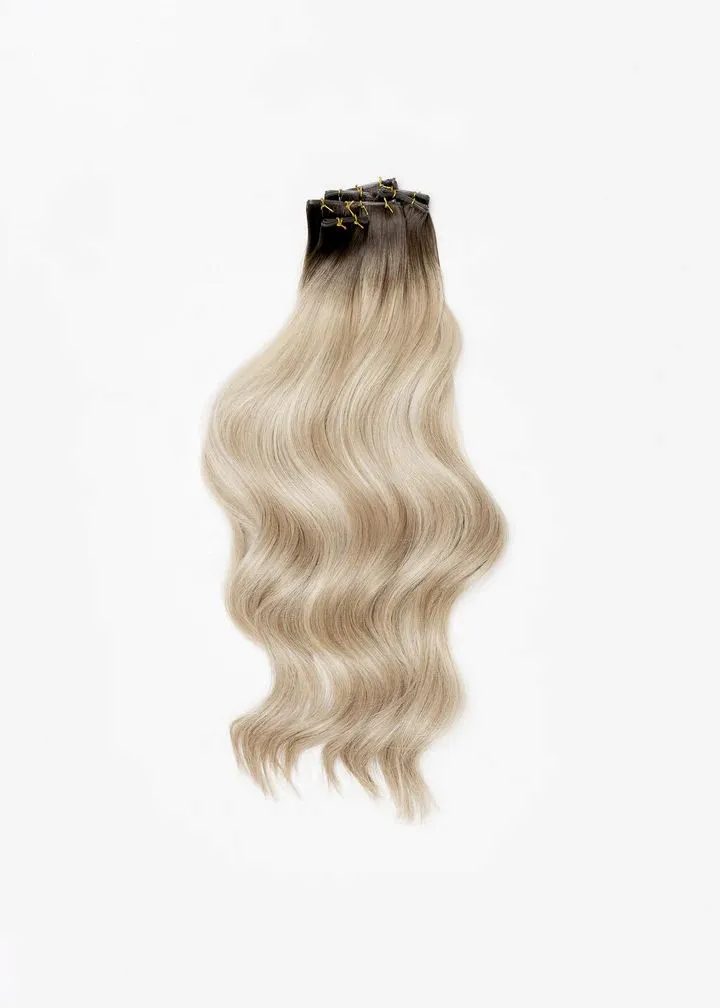
Hand-sewn weft extensions consist of bundles of hair strands hand-tied onto a thin weft that’s sewn into small bead rows along the natural hair. This method reduces bulk and spreads weight evenly across the scalp, offering greater comfort by minimizing localized pulling. For example, many stylists report that clients with sensitive scalps feel less tension after the first week of wear, making hand-sewn wefts an attractive choice for comfort seekers.
Hand-Sewn Wefts and Scalp Comfort
Hand-sewn weft extensions are often favored for their ability to distribute weight evenly across the scalp. This can reduce tension and increase comfort for individuals with sensitive scalps. This method minimizes localized pulling, potentially leading to less discomfort than other extension types.
What Is the Construction and Application Process of Hand-Sewn Wefts?
Hand-sewn weft extensions are applied by first creating a bead row near the scalp, threading the weft through each bead, then sewing it down with a curved needle. This precise attachment method keeps weft thickness minimal and the weft flat against the head, which causes less scalp stress. Clients often notice that this sewn-in technique lays flatter and feels lighter than bulkier machine-made wefts, so discomfort during daily activities is greatly reduced.
Which Comfort Factors Make Hand-Sewn Wefts Lightweight and Scalp-Friendly?
Hand-sewn wefts deliver comfort through several key factors:
- A thin weft thickness keeps weight to a minimum across each row.
- Even weight distribution prevents pressure points along the scalp.
- Flexible bead rows allow natural expansion and contraction with movement.
- A flat-lay finish reduces bulk under styled hair.
These factors combine to lower scalp tension and reduce the chance of itching, setting the stage for long-term wear comfort and a natural feel.
How Do Hand-Sewn Wefts Suit Fine or Sensitive Hair Types?
Fine or delicate hair benefits from hand-sewn wefts because the sewn-in beads use gentle tension rather than adhesive or tight bonds. This attachment reduces breakage risk and protects fragile strands. Clients with sensitive scalps often find that spreading the load along multiple beads prevents hotspots and discomfort, making this method ideal for preserving hair health while achieving desired length and volume.
How Do Keratin Bond Extensions Provide Comfort and Natural Movement?
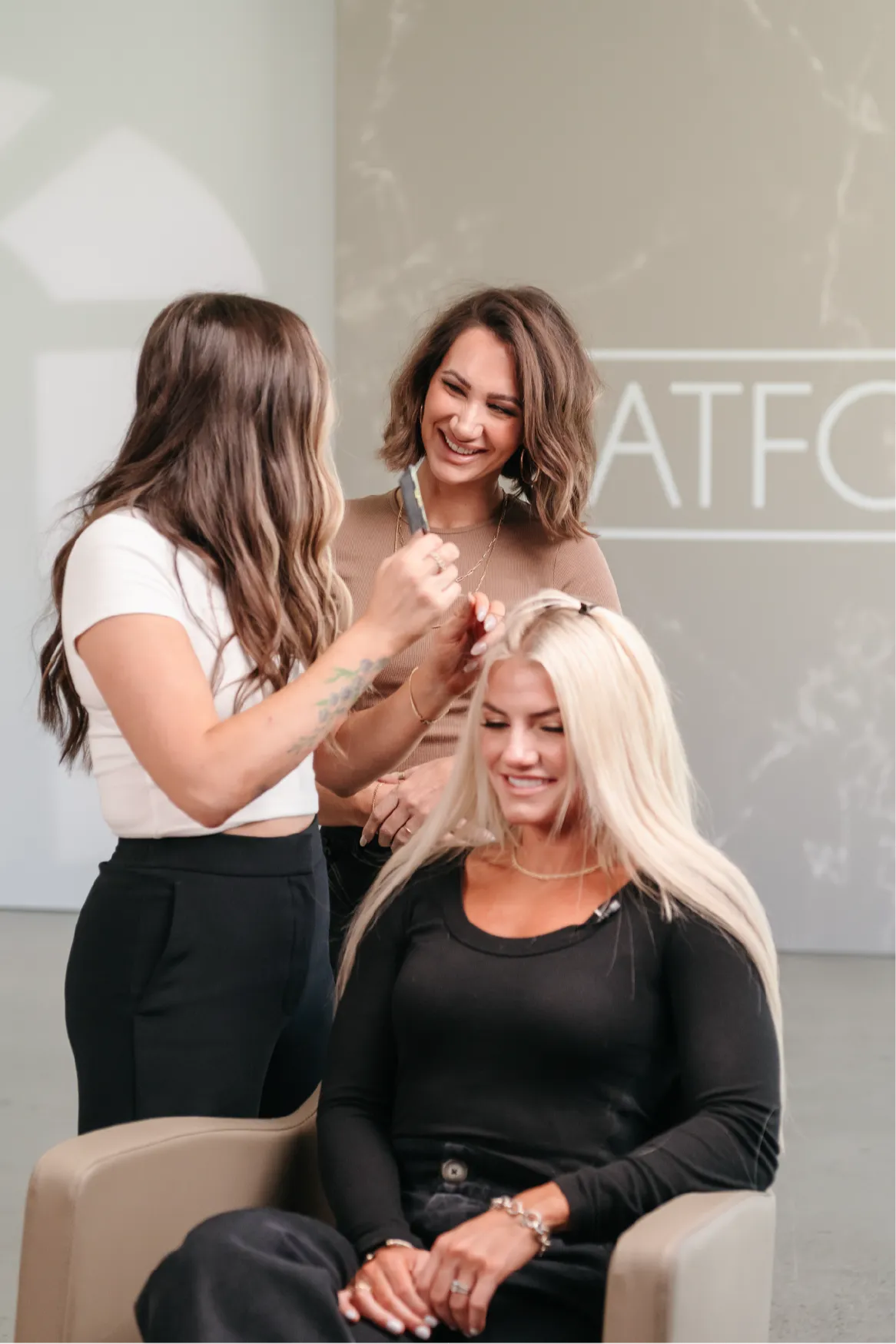
Keratin bond extensions offer a lightweight, strand-by-strand solution that blends seamlessly with your natural hair. Each extension is tipped with a keratin protein bond that’s gently fused to small sections of your hair using heat or ultrasonic tools. The result is a flexible attachment that mimics the natural movement of your own strands. Because the bonds are small and strategically spaced, they allow for full mobility without adding bulk, making them an ideal option for clients who want freedom of movement and comfort from the very first day.
How Do Keratin Bonds Support Scalp Health and Hair Flexibility?
Keratin bonds are crafted to behave like natural hair in response to movement and temperature changes. As your scalp shifts throughout the day, these bonds flex gently, never feeling stiff or restrictive. Their discreet size promotes airflow around the scalp, helping to reduce heat buildup, minimize irritation, and prevent that itchy or tight feeling often associated with bulkier methods. This breathable, flexible design ensures all-day comfort, even during active routines or warm weather.
What Is the Keratin Bond Application Process and Why Is It Comfortable?
During the application, a certified stylist sections your natural hair into small strands and fuses each keratin-tipped extension using a heat tool or ultrasonic device. This precise technique creates tiny, undetectable bonds that are lightweight and durable. Because each bond is applied individually, the tension is evenly distributed, preventing pressure points or pulling. Clients frequently describe the result as natural-feeling, smooth, and virtually undetectable—even when running fingers through the hair or tying it up.
Are Keratin Bond Extensions Suitable for Fine or Delicate Hair?
Yes. Keratin bond extensions can be customized for different hair textures, including fine or fragile strands. Skilled stylists can use smaller bond sizes and lighter-weight extension strands to ensure there’s no added stress on your natural hair. This adaptability makes keratin bonds a safe, comfortable choice for clients with thinner hair who still want fullness, length, and styling flexibility without compromising hair health.
How Do Hand-Sewn Weft and Keratin Bond Extensions Compare in Comfort?
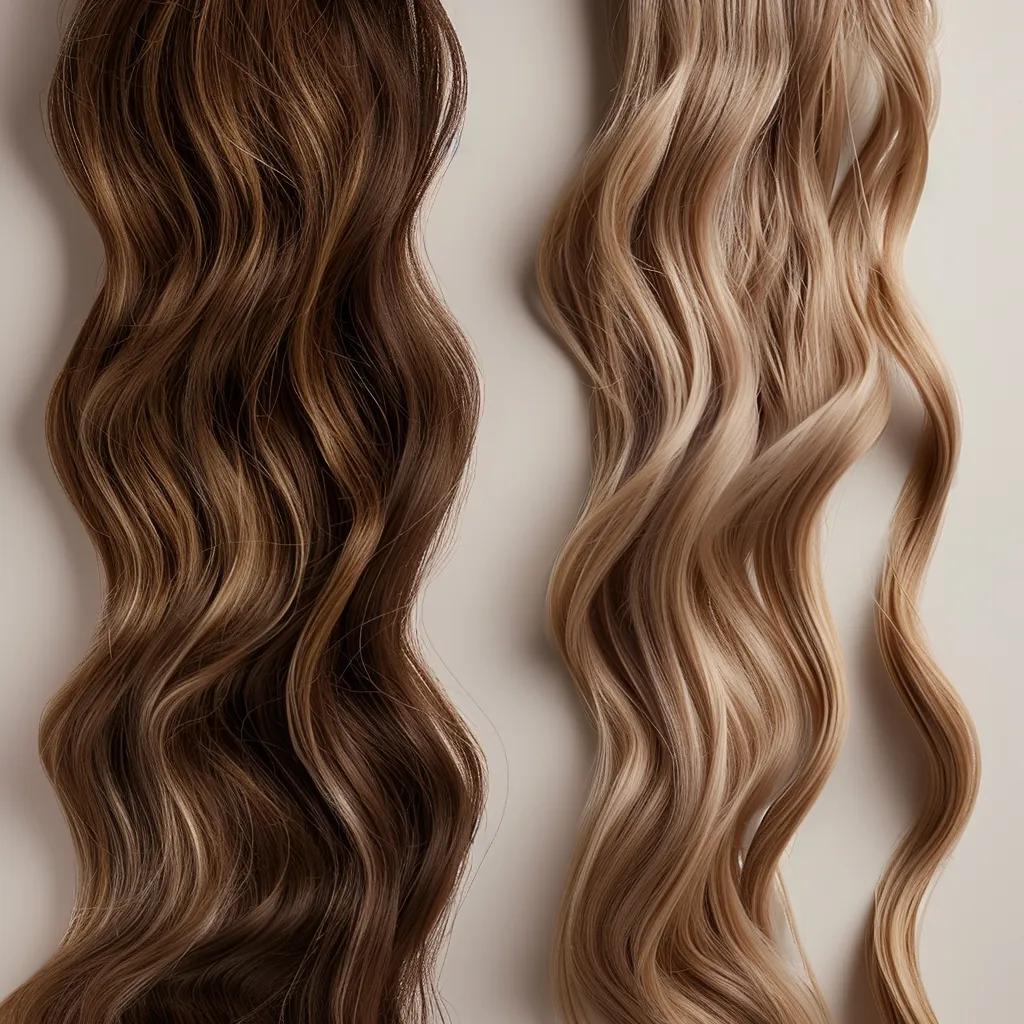
Below is a side-by-side look at core comfort attributes for both methods:
| Feature | Hand-Sewn Wefts | Keratin Bond Extensions |
|---|---|---|
| Weight Distribution | Even across bead rows | Per strand |
| Scalp Tension | Low at attachment points | Very low per bond |
| Flexibility | High along weft | High per bond |
| Ideal For | Sensitive, fine hair | Longer wear, fewer appointments |
How Do Both Extension Types Address Common Discomforts Like Itching and Pulling?
Hand-sewn wefts avoid tight sections by spreading attachment over beads, which cuts down on hotspots and flaking. Keratin bonds use smooth, hypoallergenic protein tips that blend without rough edges, reducing friction and itch. In both cases, professional installation ensures that neither method pulls excessively on natural hair, preventing headaches and scalp soreness.
Which Extension Type Offers Better Long-Term Comfort and Hair Health?
Hand-sewn wefts often require move-ups every 6–8 weeks to maintain flatness and avoid tangling, which can temporarily affect comfort. Keratin bonds last up to 3–6 months with fewer salon visits but may need careful home maintenance to avoid matting at the roots. Overall, wefts excel in low-tension wear while bonds shine in long-wear convenience—both promoting healthy hair when installed and cared for properly.
What Other Factors Influence Comfort When Choosing Hair Extensions?
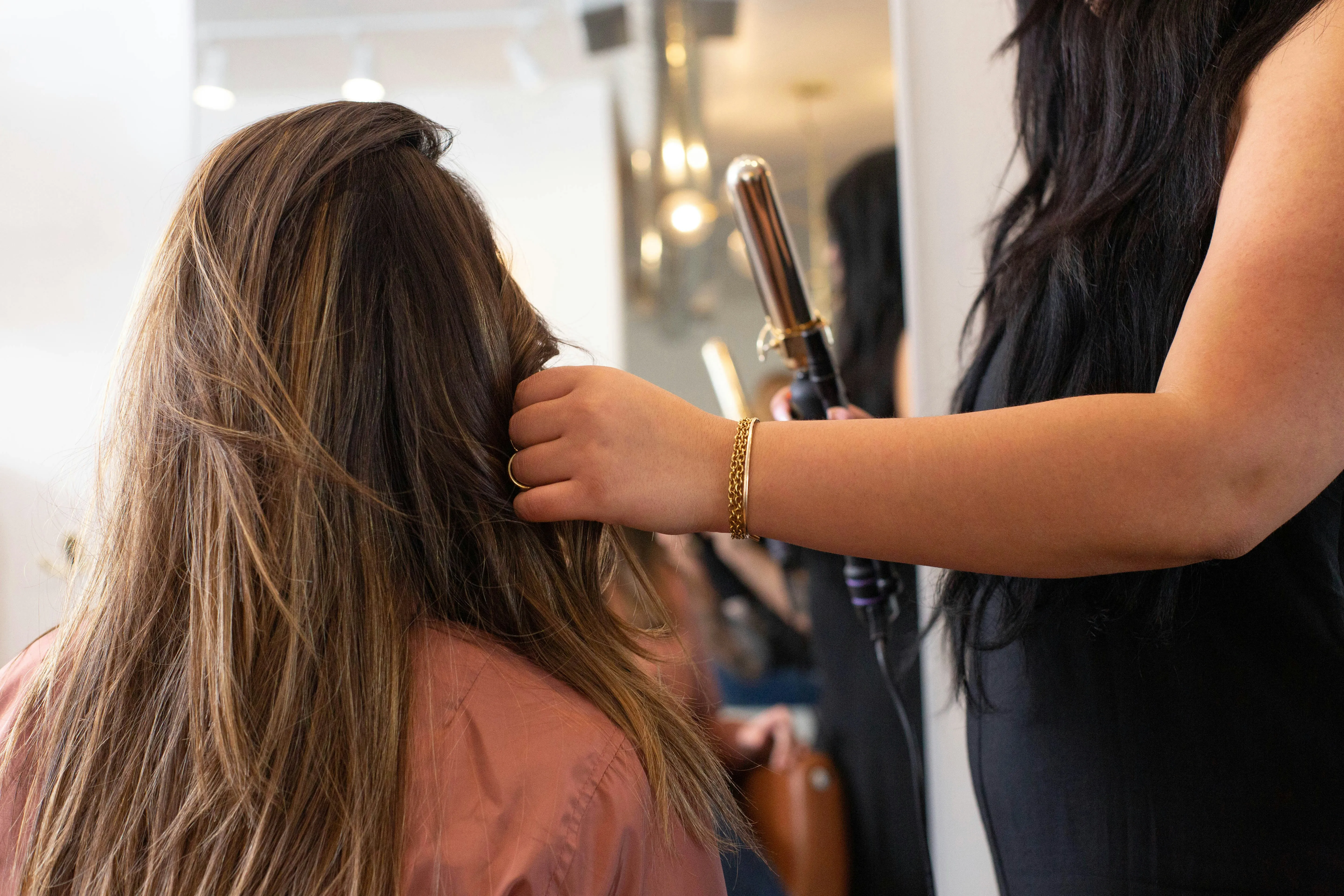
Comfort extends beyond the attachment method to include installation skill, maintenance routines, and personal lifestyle. Considering these factors ensures that your extensions feel as good on day 90 as they do on day one.
How Does Professional Installation Impact Extension Comfort?
A skilled stylist assesses scalp sensitivity, hair density, and desired volume before installing extensions. Correct bead placement or bond spacing prevents over-tightening. Certified technicians use high-grade Remy hair and precision tools to reduce strain on natural strands and deliver consistent comfort from root to tip.
What Role Does Maintenance Play in Sustaining Comfort?
Daily gentle brushing, specialized cleansing products, and timely move-ups or bond checks preserve extension integrity and scalp health. Regular salon visits keep attachments secure and prevent matting or excess tension, so extensions stay lightweight and itch-free throughout the wear cycle.
How Do Cost and Lifestyle Affect Your Comfortable Extension Choice?
Investing in premium hand-sewn wefts or keratin bonds often yields higher-quality hair, superior comfort, and longer wear. Busy individuals may prefer keratin bonds for fewer appointments, while those prioritizing scalp ease might choose wefts despite a slightly higher maintenance schedule.
How to Choose the Most Comfortable Hair Extension Type for You?

Selecting between hand-sewn wefts and keratin bond extensions starts with understanding your hair’s unique needs. Consider your scalp sensitivity, daily styling habits, and how frequently you're able to maintain your extensions. Hand-sewn wefts offer lightweight wear with evenly distributed tension—ideal for fine or delicate hair. Keratin bonds, known for their strand-by-strand flexibility, are perfect for those who prefer longer wear between salon visits. A stylist can help assess these factors and recommend the most comfortable option for your lifestyle.
Questions to Ask Your Stylist for a More Comfortable Experience
To ensure your extensions feel as natural as they look, consult your stylist with these questions:
- How will you distribute weight to prevent scalp tension?
- What size beads or keratin bonds are best for my hair type?
- What’s the expected maintenance schedule for each method?
- Which aftercare products help maintain scalp comfort and extension integrity?
- Can you show real client results that demonstrate comfort over time?
These questions lead to a personalized extension plan that prioritizes long-term comfort and hair health.
How Platform Hair Extensions Supports Your Comfort Journey
Comfort is woven into every product at Platform Hair Extensions. Their premium Hand-Sewn Wefts are lightweight, flat-laying, and ideal for clients seeking gentle, secure wear with minimal scalp stress. The Micro K-Tip Extensions, crafted with ultra-small keratin tips, offer seamless flexibility and natural movement for those preferring bond-based methods.
Platform also empowers stylists with Platform Mastery, a hands-on certification program designed to ensure proper installation techniques that protect the scalp and maintain client comfort. Combined with their commitment to ethically sourced 100% Remy human hair, Platform delivers beautiful extensions, a luxury experience that feels as good as it looks.
Frequently Asked Questions
What are the main differences in maintenance between hand-sewn weft and keratin bond extensions?
Hand-sewn wefts require move-up appointments every 6–8 weeks to keep the rows flat and tangle-free. Keratin bonds typically last 3–6 months without salon visits but need consistent at-home care to prevent matting. Both benefit from gentle brushing and extension-safe hair products.
Can I style my hair differently with hand-sewn weft extensions compared to keratin bonds?
Yes. Hand-sewn wefts lay flat, making them ideal for updos or sleek styles. Keratin bonds are more flexible and allow for a full range of motion. Both types support various hairstyles, but your styling experience may differ slightly based on how the extensions are placed.
How do environmental factors affect the comfort of hair extensions?
Humidity, heat, and sun exposure can influence how extensions feel and perform. Keratin bonds may swell slightly in humidity, while both types can become dry with too much heat. UV exposure can also cause fading. Using protective products helps maintain comfort and appearance.
Are there specific aftercare products recommended for comfortable wear?
Yes. Use sulfate-free shampoos, lightweight conditioners, and detangling sprays made for hair extensions. A leave-in conditioner and heat protectant can reduce friction, prevent itchiness, and extend the life of your extensions.
How do I know if my extensions are causing discomfort or damage?
Watch for signs like itching, scalp redness, breakage, or a feeling of tightness. If you're experiencing headaches or soreness near the attachments, the extensions may be installed too tightly. Always consult your stylist if you notice discomfort.
What should I consider when choosing the most comfortable extension type?
Consider your hair texture, sensitivity, maintenance preferences, and daily routine. Hand-sewn wefts may suit you better if you want a lightweight option with even weight distribution. If you prefer longer wear with fewer appointments, keratin bonds could be ideal.
Conclusion
Both hand-sewn weft and keratin bond extensions are designed with comfort in mind—but the right choice depends on your hair texture, daily habits, and sensitivity level. Hand-sewn wefts are ideal for those seeking low-tension wear and a lightweight feel, especially for fine or sensitive hair. Keratin bonds, on the other hand, offer discreet flexibility and longer wear between salon visits. By choosing high-quality materials and trusting a professional stylist, you can enjoy hair extensions that feel just as natural as they look. Explore your options confidently, knowing comfort doesn’t have to be sacrificed for style.