

Weft Extensions and Clip-Ins: Best Picks for Fine Hair

Thin hair can make it difficult to achieve the volume and fullness many people desire, especially when it comes to extensions. Traditional methods may feel too heavy or cause strain on the scalp, leading to discomfort or even long-term damage. That’s where weft extensions come in—specifically designed options that provide lightweight, seamless volume without compromising hair health.
In this blog, we’ll explore how the right type of weft extension can safely enhance thin or fine hair. You’ll learn about installation methods tailored for delicate strands, how to choose the right type of weft, and expert-backed tips from the stylists at Platform Hair Extensions to help you get the most natural, long-lasting results. Whether you’re new to extensions or looking to upgrade your current routine, this guide is crafted to support both your hair goals and hair health.
Key Takeaways
- Thin hair needs lightweight extensions to avoid stress and breakage.
- Hand-tied and micro-wefts are ideal choices for fine strands.
- Proper installation helps prevent scalp irritation and tension-related hair loss.
- Clip-ins are best used occasionally, with gentle care and even placement.
- Regular maintenance is essential to keep weft extensions secure and natural-looking.
- High-quality hair, like Remy, blends better and offers a more seamless result.
Choosing Extensions for Thin Hair: Safety and Suitability
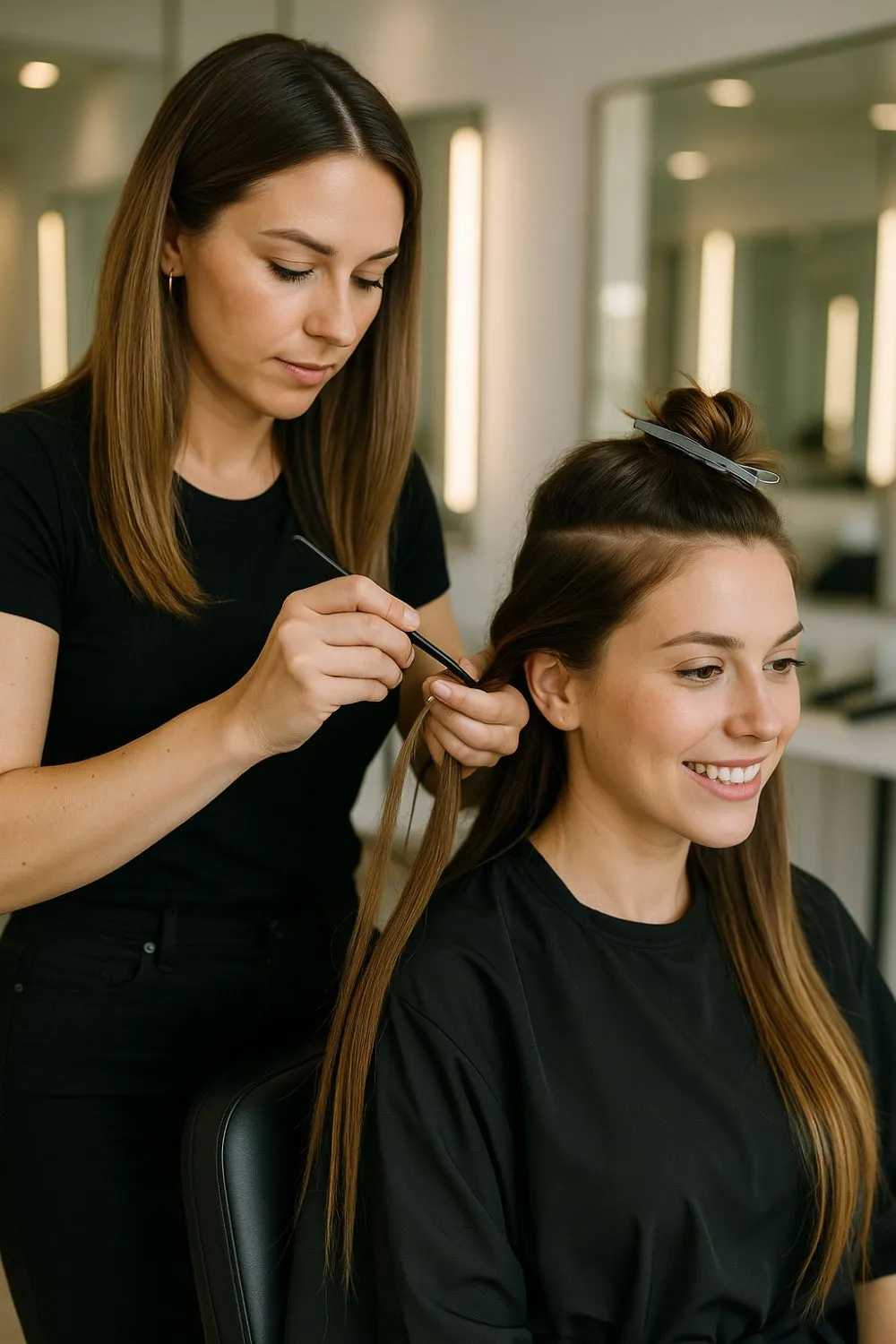
For those with thin or fine hair, the top priority when choosing extensions is minimizing stress on delicate strands. Not all extension types are suitable—lightweight construction and proper installation techniques are essential to prevent breakage and maintain long-term hair health.
Understanding the Needs of Thin Hair
Thin hair typically features fewer strands per square inch and a more fragile outer cuticle layer. This makes it more vulnerable to tension, friction, and weight. Extensions that are too dense or applied with excessive pressure can lead to stress-related shedding and scalp discomfort.
Are Weft Extensions Safe for Thin Hair?
When applied with precision and care, weft extensions can be a safe, long-lasting choice for individuals with fine hair. Hand-tied and micro-wefts, in particular, are designed with a lighter footprint and distribute weight evenly across the scalp. This helps create natural-looking volume without compromising the integrity of the hair. Professional application is key—extensions that are too tight or concentrated in small areas can still lead to root strain or irritation.
What About Clip-In Extensions?
While clip-in extensions are sometimes used for thin hair, they often come with challenges. Their temporary nature may seem appealing, but the repeated pressure of clips—especially if not positioned correctly—can strain weak areas. For clients looking for long-term wear and minimal day-to-day handling, wefts are generally the more reliable choice.
Preventing Tension Damage and Traction Alopecia
One of the most important factors in extension safety is preventing traction alopecia—a form of hair loss caused by continuous tension on the follicles. This risk increases with heavier extensions or improper placement. To reduce this concern, lightweight wefts installed by experienced stylists—like those at Platform Hair Extensions—offer a secure yet gentle solution, especially when tailored to the density and texture of your natural hair.
Selecting the Right Weft Extensions for Thin Hair
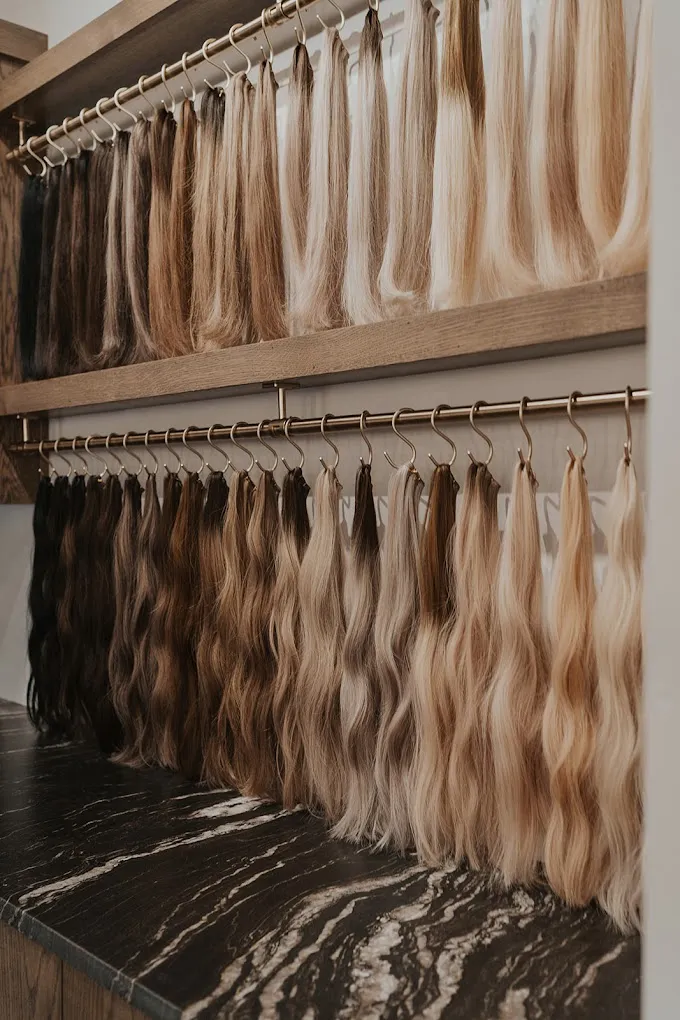
Choosing the right weft extensions for thin hair requires more than just selecting a style—it involves understanding the balance between weight, texture, and hair quality to achieve volume without compromising hair health. The right match ensures a seamless blend and prevents strain on fragile roots.
Types of Wefts Best Suited for Fine Hair
Weft extensions come in several forms, but not all are appropriate for thin hair. Hand-tied wefts and micro-wefts are ideal options thanks to their lightweight design and even weight distribution. These types lay flat against the scalp and blend more easily with fine strands, minimizing the risk of visibility or discomfort. Machine-sewn wefts, while durable, are generally heavier and may require more density in the natural hair to be safely supported.
The Role of Weight-to-Strand Ratio
An often-overlooked factor in extension success is the weight-to-strand ratio. Lighter extensions are essential for thin hair. A lower weight-to-strand ratio reduces tension on the scalp and allows for better movement and comfort. Extensions that are too heavy—even if well installed—can place continuous pressure on the hair follicles, leading to weakening or shedding over time.
Choosing Quality Hair: Why It Matters
High-quality human hair, especially Remy hair, makes a noticeable difference in appearance and durability. Because the cuticles are aligned in the same direction, Remy hair mimics natural texture, resists tangling, and maintains a smooth finish. This is especially important for thin hair, as poor-quality extensions can appear bulky, matte, or unnatural when blended into fine strands.
Color and Length Matching for a Seamless Blend
Proper color and length matching is essential to keeping your extensions discreet and convincing. The goal is to create a unified look that enhances your hair’s fullness without drawing attention to where your natural hair ends and the extensions begin. Professionals can help match color, tone, and texture, ensuring that the extensions work with your hair’s movement and layering for a cohesive finish.
Using Clip-In Extensions with Thin Hair: Tips for Temporary Volume
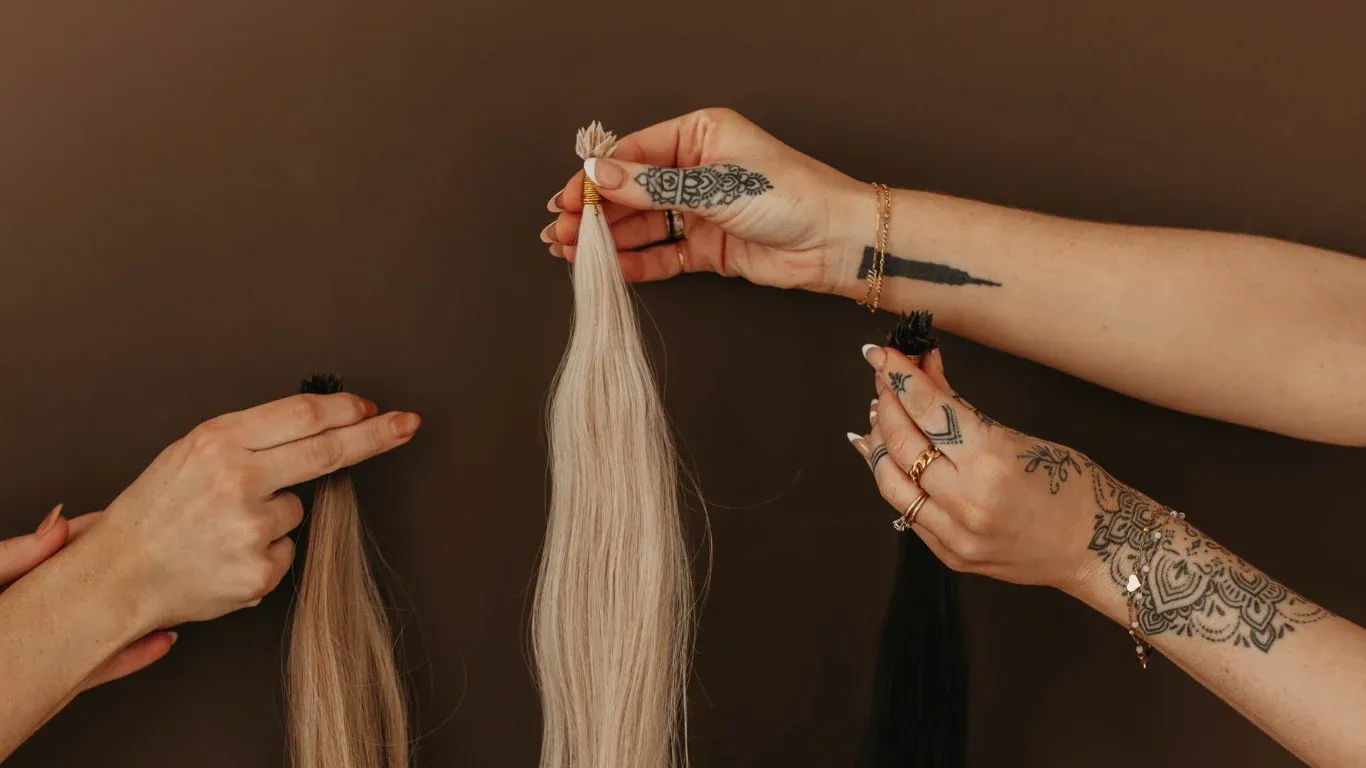
While clip-in extensions aren’t typically recommended for long-term use on thin hair, they can be a helpful solution for short-term volume, if applied thoughtfully. Lightweight construction, minimal tension, and proper placement are all essential to prevent unnecessary stress on fine strands.
Choosing Clip-Ins That Work with Fine Hair
When selecting clip-ins for thin hair, prioritize lightweight options with slim, flexible clips. These designs minimize pressure on the scalp and reduce the chance of the clips showing through finer sections. Hair quality also matters—natural-looking strands that mimic your own texture will blend more effectively and create a fuller appearance without looking bulky.
Applying Clip-Ins Without Stressing the Hair
To apply clip-ins safely, begin with dry, tangle-free hair and section carefully. Attach clips close to the root, focusing on areas where your hair has enough density to support the added weight. Distribute the pieces evenly to avoid putting too much pressure on any one area. After securing the extensions, blend with your natural hair using a wide-tooth comb or gentle styling brush.
Concealing Clip-Ins for a Natural Finish
To make clip-ins less detectable, opt for loose, voluminous styles that help hide the base of each piece. Soft waves, textured layers, or casual braids can help blur the transition between your natural hair and the extension. Avoid tight, flat styles that might expose the clips, especially around the crown or part line.
Caring for Clip-Ins Between Uses
Clip-in extensions should be cared for separately from your natural hair. Gently wash them with sulfate-free shampoo as needed, air-dry fully, and store them flat or in a protective case. Always remove clip-ins before bed to prevent pulling or tangling while you sleep—this keeps both your extensions and natural hair in better condition over time.
Maintenance for Weft and Clip-In Extensions on Thin Hair
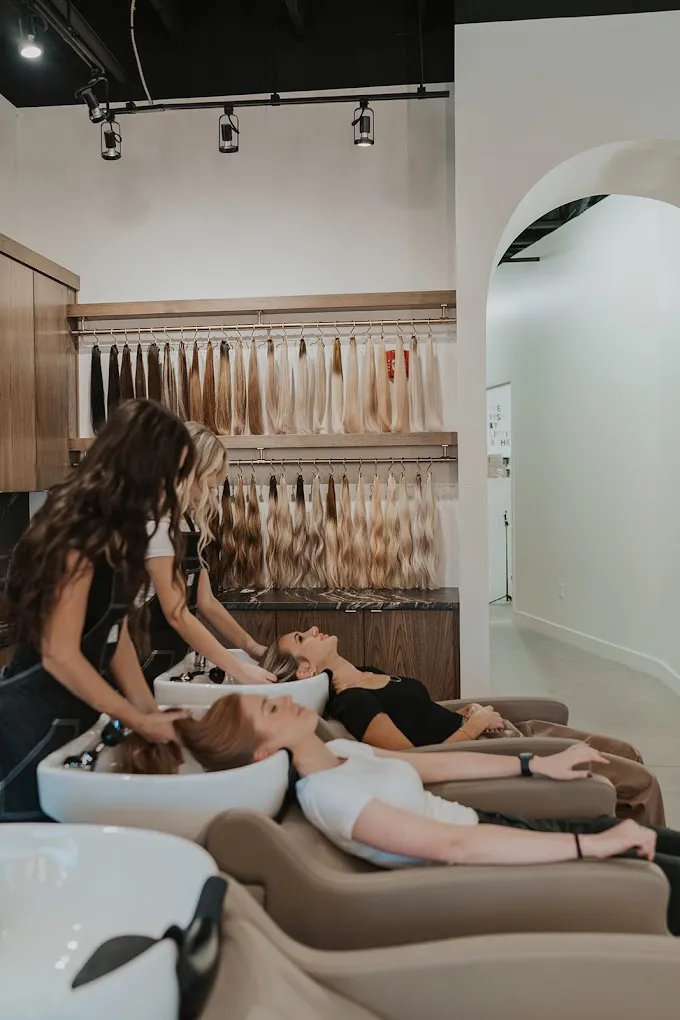
Thin hair benefits most from extension methods that balance volume with low-maintenance care. While both weft and clip-in extensions can work, each type requires a unique approach to upkeep, especially when protecting fine or delicate strands.
Maintaining Weft Extensions: Consistency and Gentle Handling
Weft extensions should be cleaned regularly using sulfate-free products and lukewarm water. Avoid excessive heat styling, and always dry thoroughly at the roots to prevent moisture buildup near the weft line. Professional maintenance is essential—routine salon visits for repositioning or tightening will help maintain a secure, natural look and prevent excess tension that can strain fragile roots.
Caring for Clip-Ins: Lightweight, Low-Stress Maintenance
Clip-in extensions are removed daily, which makes cleaning and care more flexible. To keep them in good condition, wash only as needed with gentle, residue-free cleansers. Allow them to air dry fully before storing in a clean, flat case. Avoid sleeping with clip-ins in place, as movement and friction can damage both your natural hair and the extension itself.
Extension Maintenance Schedules: What to Expect
- Weft extensions generally require weekly washing and professional adjustments every few weeks to ensure proper fit and avoid buildup or shifting.
- Clip-in extensions should be washed every few uses, depending on styling product buildup or environmental exposure. Light conditioning treatments can help maintain softness and appearance. Regardless of type, a gentle detangling routine and occasional deep conditioning (for the extensions only) will help preserve texture and reduce shedding.
Longevity and Convenience: What Works Best for Thin Hair?
Both weft and clip-in extensions offer benefits for thin hair, depending on the wearer’s needs.
- Weft extensions provide a semi-permanent solution that eliminates daily handling but require professional upkeep and consistent care to remain safe and natural-looking.
- Clip-ins offer more flexibility and control over when and how you wear extensions, though they require a careful application each time and typically don’t last as long overall.
For those seeking a long-term transformation with less daily styling effort, professionally applied wefts designed for fine hair may be the more practical option. Clip-ins, on the other hand, work well for short-term looks or occasional volume with minimal commitment.
Frequently Asked Questions
Can thin hair safely support weft extensions?
Yes, when installed using lightweight wefts and proper techniques, thin hair can safely support extensions. Avoiding tension and ensuring weight is evenly distributed across the scalp is essential.
How do I know which type of weft is right for fine hair?
Hand-tied or micro-wefts are generally best for thin hair due to their lighter construction and low visibility. These types blend well and reduce pressure on the roots.
Are clip-in extensions bad for thin hair?
Clip-ins are not harmful if used occasionally and applied gently. However, wearing them too frequently or placing them in fragile areas can create tension and potential breakage.
How often should I maintain weft extensions on fine hair?
Regular salon visits every few weeks are recommended for weft upkeep. This ensures the extensions stay in place and minimizes stress on your natural strands.
Can I sleep with weft extensions in?
Yes, since they’re semi-permanent. However, tying your hair in a loose braid or using a silk pillowcase can help reduce tangling and tension while sleeping.
What’s the biggest mistake to avoid with extensions on thin hair?
Choosing extensions that are too heavy or installing them without professional guidance. Always prioritize lightweight options and proper placement to protect your hair’s integrity.
Conclusion
When working with thin hair, selecting the right type of extensions is about more than just looks—it's about protecting the health of your natural hair. When installed and maintained properly, weft extensions offer a secure and long-lasting way to add volume without causing strain. By choosing lightweight options, working with a skilled stylist, and committing to gentle upkeep, you can enjoy a fuller, more natural look that supports the long-term health of your hair. Whether you prefer the consistency of wefts or the flexibility of clip-ins, the key is thoughtful application and maintenance tailored to fine hair needs.